
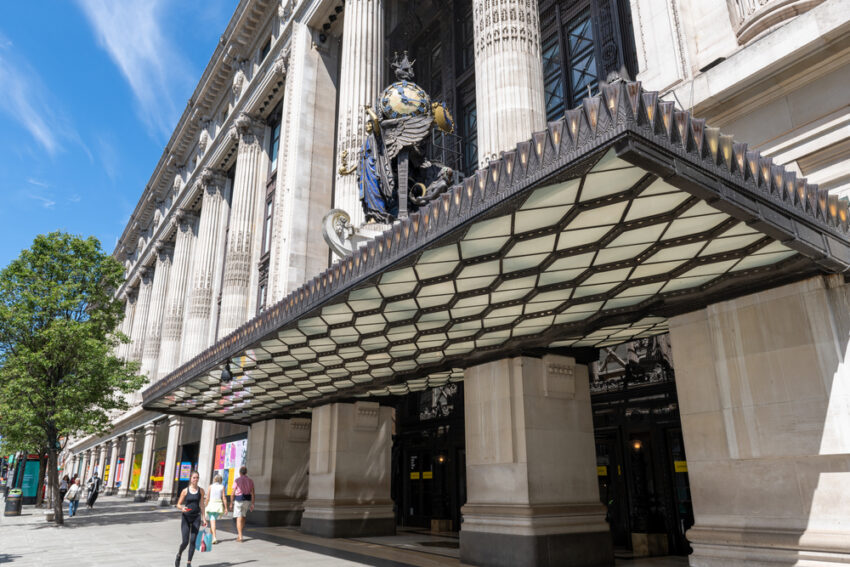

The recent acquisition of a substantial 40% stake in Selfridges by Saudi Arabia’s Public Investment Fund (PIF) heralds a pivotal moment for the retailer.
Marked by significant changes in ownership dynamics, this move introduces both potential for growth and a renewed focus on Selfridges’ storied legacy.
Acquisition Overview
The Saudi Arabia’s Public Investment Fund (PIF) has acquired a 40% stake in Selfridges Group, marking a significant shift in ownership for the British retailer. This acquisition comes after concerns arose regarding the retailer’s ownership, following the bankruptcy of Signa, the Austrian property group previously holding the stake.
The remaining 60% of Selfridges Group continues under the ownership of Thailand’s Central Group. This deal follows their joint purchase of Selfridges with Signa from the Weston family, priced at £4 billion in 2021, highlighting a continuing global interest in the retailer’s valuable brand.
Strategic Implications for Selfridges
With PIF’s investment, there arises an opportunity to revitalise Selfridges’ growth trajectory. The partnership aims to build on Selfridges’ distinguished history and luxury brand, potentially driving the department store into a new era of expansion and innovation. “Unlocking further value” is at the core of this strategic objective, as declared by Central and PIF.
Retail experts, however, emphasise the importance of strong leadership and fundamental retail principles. Distractions such as overseas expansion plans or luxury hotel ventures should be cautiously evaluated, according to industry voices like Richard Hyman.
Financial Landscape and Challenges
The financial foundation provided by PIF, known for controlling assets exceeding £550 billion, is anticipated to offer much-needed stability to Selfridges. However, the retailer faces substantial challenges, including a debt of £1.7 billion and the recent departure of its CEO, Andrew Keith.
Industry analysts are optimistic. They foresee PIF’s substantial assets as a potential anchor for the retailer’s financial stability, aiming to overcome its present hurdles.
Critics are sceptical regarding Saudi Arabia’s human rights record. They question whether such high-profile investments are efforts to enhance the kingdom’s international image, which could overshadow retail business objectives.
Leadership and Future Prospects
The recent executive changes add another layer of complexity to Selfridges’ future path. While financial support from PIF is substantial, it does not negate the need for effective leadership to steer the company through this transition.
Establishing a clear and coherent vision for the future will be crucial in ensuring Selfridges’ sustained success in the dynamic retail environment.
Conclusion and Outlook
Selfridges stands at a crossroads, with PIF’s investment creating a potential turning point. The stakes are high, with financial challenges ahead, yet the opportunity for growth and revitalisation remains significant.
As the dust settles on this landmark acquisition, Selfridges finds itself poised between historic challenges and potential recovery.
With strategic planning and effective leadership, it could well harness this investment as a catalyst for future success.

