
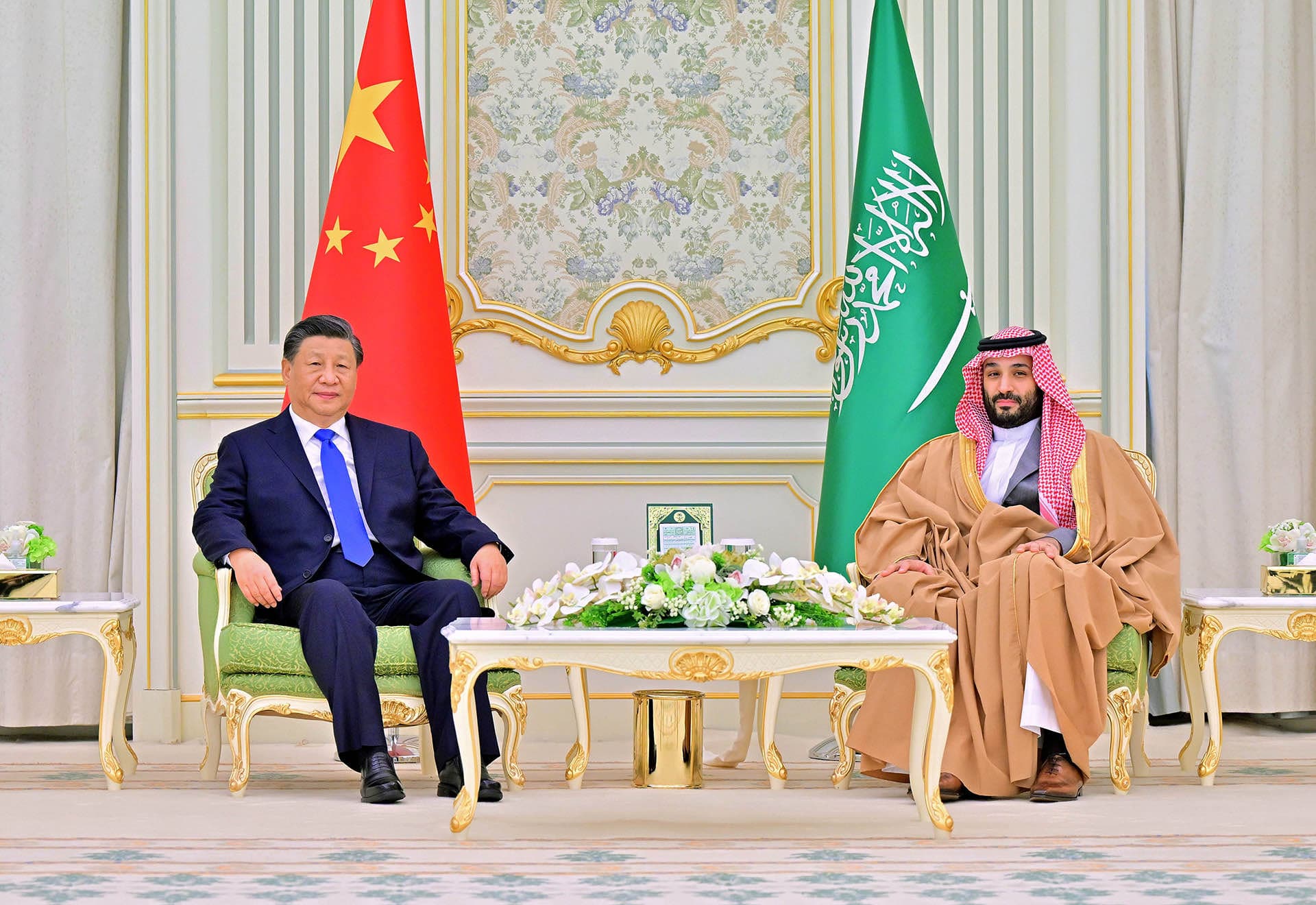

Amid significant geopolitical shifts, Saudi Arabia has formally declined an invitation to join BRICS during its summit in Russia. The decision highlights the Kingdom’s strategic considerations on a global stage.
Remarkably, this choice aligns with Saudi Arabia’s ongoing evaluation of geopolitical alliances, weighing potential benefits and risks. As BRICS expands with new partners, the Kingdom’s absence as a full member stands out, reflecting a thoughtful approach in its international engagements.
Saudi Arabia’s Decision Amidst Global Geopolitical Shifts
In a significant decision, Saudi Arabia has opted to refrain from joining the BRICS alliance, despite being invited during the 2023 summit. This choice was seen as pivotal, given the Kingdom’s immense influence in global oil markets and geopolitical relations. The announcement coincides with the ongoing BRICS Summit in Russia, where other nations’ memberships were also discussed.
Reports prior to the summit had indicated that Saudi Arabia’s stance would be clarified during the meeting. Russian Spokesperson Dmitry Peskov emphasized that the decision would be clear post-event. “We will inform you additionally who will represent Saudi Arabia or if it will be represented at the summit at all,” he stated, highlighting the anticipation surrounding the Kingdom’s eventual decision.
The Implications of Non-Membership
BRICS has expanded its list of partner countries, yet Saudi Arabia’s absence as a full member is notable. The Kingdom, alongside Argentina, is one of the few nations to decline the invitation. This decision is particularly impactful given Saudi Arabia’s potential to transform BRICS through its vast energy resources and strategic location.
Despite potential benefits, Saudi Arabia’s decision to abstain emphasizes the complexities of its international alliances. Joining BRICS might have strained its ties with Western countries, which remain crucial for the Kingdom’s economic aspirations. Thus, the decision reflects a strategic balance of maintaining beneficial relationships across geopolitical divides.
[twitter-embed-display twitter_url=’https://twitter.com/BRICSinfo/status/1849469218309222456′]
An Evolving Alliance
BRICS announced that, for the current year, no new countries will achieve full membership status. New partners added include Algeria, Belarus, and Nigeria, among others, indicating a strategic expansion in various regions.
For Saudi Arabia, joining would have meant navigating new diplomatic challenges, particularly with Western allies. The Kingdom’s energy dominance could have reshaped BRICS dynamics, but the potential diplomatic cost perhaps outweighed the benefits.
The refusal to join might underscore Saudi Arabia’s cautious diplomatic approach, weighing economic interests and maintaining sovereign decision-making. This strategic calculation aligns with its broader foreign policy agenda, which often favours cautious engagement and extensive risk assessment.
Strategic Considerations and Global Dynamics
Saudi Arabia’s decision not to join BRICS is deeply rooted in global strategic considerations. The Kingdom continues to play a pivotal role in international energy markets, and its entry into the alliance could have tipped scales in favour of BRICS against Western influence.
The choice also highlights Saudi Arabia’s intent to maintain strategic autonomy in its foreign policy. Balancing its longstanding alliances with the US and Europe, the Kingdom seems to prefer a multi-aligned diplomatic strategy that does not compromise its traditional partnerships.
The Kingdom’s decision is a testament to its long-term vision, favouring pragmatic partnerships over bloc politics. This approach allows it to manoeuvre through global complexities without aligning too closely with any single geopolitical faction.
Complex Intersections of Politics and Economy
The hesitation towards BRICS membership illustrates the intricate intersection of politics and economics for Saudi Arabia. The country stands at a crossroads, deciding between fostering new alliances and maintaining existing ones.
Economic considerations, including trade relations with the US and Europe, play a crucial role in this decision. While BRICS membership could offer new economic opportunities, the risks involved in altering current trade dynamics appear substantial.
Saudi Arabia’s approach underscores a broader strategy to ensure its economic pathways remain open and diversified, opting to leverage its substantial resources and strategic position without full commitment to emerging global blocs.
Future Prospects for Saudi Arabia and BRICS
While Saudi Arabia has declined membership for now, future engagements with BRICS cannot be ruled out. The Kingdom may continue to participate as an observer or engage in selective collaborations with the bloc.
BRICS, for its part, continues to evolve and may present an altered proposition that better aligns with Saudi strategic interests in the future. This flexibility ensures that both parties keep channels open for potential future cooperation.
Saudi Arabia’s current stance will likely influence its international negotiations, as it seeks to maintain a pivotal position in global affairs. This decision marks a significant moment in its diplomatic history, potentially shaping its foreign policy in the years to come.
Conclusion of a Strategic Decision
Ultimately, Saudi Arabia’s choice to decline BRICS membership underscores a calculated diplomatic strategy, aiming to balance international relationships while prioritising national interests. The decision reflects a complex interplay of geopolitical, economic, and strategic factors that align with the Kingdom’s long-term vision for its role on the world stage.
The rejection of BRICS membership by Saudi Arabia signifies a nuanced diplomatic strategy that balances its international relationships while safeguarding national interests. As the Kingdom continues to navigate the complex global landscape, its decision is a testament to its desire for strategic autonomy and long-term geopolitical stability.

