
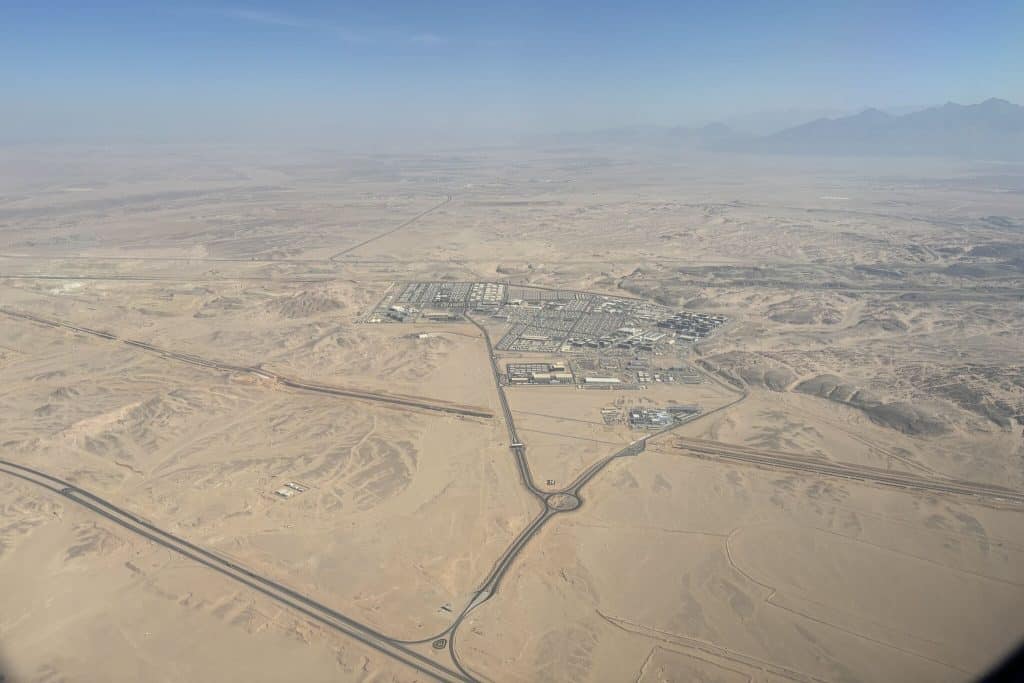

The Saudi government has refuted claims that 21,000 workers died since 2017 are false.
- The ITV documentary, Kingdom Uncovered, detailed worker fatalities linked to Saudi Vision 2030.
- Critics argue that Saudi Arabia fails to assure worker safety is prioritised.
- The National Council for Occupational Safety and Health insists on low fatality rates in the country.
- Campaigners demand stronger protections for migrant workers in Saudi.
In a recent development, the Saudi Arabian government has rejected reports claiming the deaths of 21,000 construction workers, asserting that these figures are ‘misinformation.’ This denial comes following the airing of an ITV documentary, Kingdom Uncovered, which highlighted alleged fatal conditions under the Saudi Vision 2030 initiative—a vast development project that includes Neom as its flagship.
The documentary, which aired in October 2024, brought attention to the plight of workers engaged in Saudi Arabia’s ambitious Vision 2030 project. Saudi Arabia is poised to host the 2032 FIFA World Cup, with no competing bids, elevating international scrutiny regarding worker conditions. The documentary has intensified the focus on whether the nation truly prioritises worker well-being amidst its rapid economic expansion.
Significantly, several prominent engineering firms involved in Vision 2030, such as Jacobs, Aecom, and Bechtel, did not provide comments when approached about the fatality claims. This silence has raised questions about transparency and accountability within the project, which is primarily funded by Saudi Arabia’s Public Investment Fund, and managed by a coalition of international and domestic entities.
Saudi Arabia, known for its restrictions on foreign media and criticism, has strongly defended its record. The country’s National Council for Occupational Safety and Health (NCOSH) responded to the documentary with a public statement. They refuted the statistics, stating that the real work-related fatality rate is 1.12 per 100,000 workers, placing them among the lowest worldwide. The NCOSH highlighted commendations from organisations like the International Labour Organization and the British Safety Council, which acknowledge Saudi Arabia’s efforts to improve occupational safety and health.
Despite these assertions, worker advocates remain unconvinced. An Anti-Slavery International representative highlighted the risk of ‘greenwashing’ within the sustainable architecture narrative of projects like Neom. They stress that the vow of sustainability rings hollow if realised at the cost of violating migrant workers’ rights. The organisation urges enhanced legal protections for these workers, suggesting current measures are insufficient against reported abuses and exploitation.
The NCOSH upholds that Saudi labour laws enforce comprehensive health insurance and regulate working conditions, including prohibiting outdoor labour during peak summer heat. However, questions persist about the effective implementation of these laws and the actual conditions faced by foreign labourers, who often encounter systemic barriers.
Furthermore, the ITV source stands by its reporting, clarifying that the highlighted deaths span the period since the inception of Vision 2030 and not exclusively within its projects. This has led to calls from international human rights groups for Saudi Arabia to introduce and enforce robust legislation safeguarding migrant workers.
The controversy surrounding worker fatalities in Saudi Arabia underscores ongoing concerns about labour rights and safety in the nation.

