
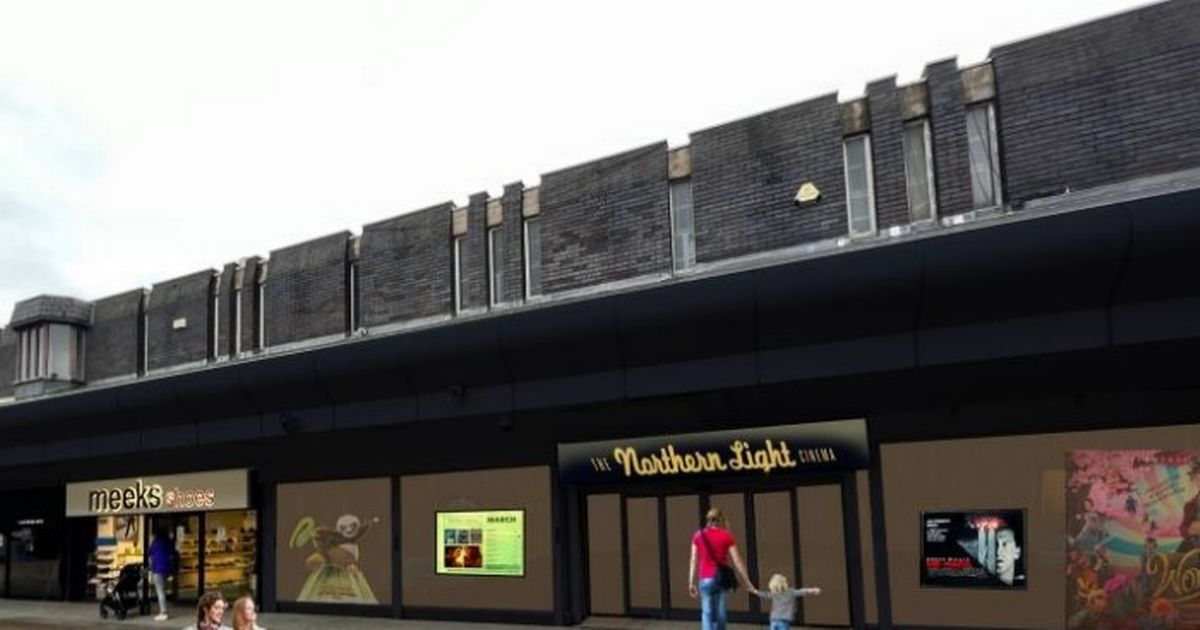

Sale is ushering in a new era of cinematic experiences with the introduction of The Northern Light Cinema.
- Trafford council has approved the transformation of a historic retail site into a luxury three-screen cinema.
- The past grandeur of Sale’s cinematic venues, such as the Odeon and the Palace, illustrates the town’s rich cultural heritage.
- The cinema aims to invigorate local commerce by complementing the existing retail and dining options in Stanley Square.
- Local authorities assure that the new development will enhance town centre vitality without adverse effects on residents.
The forthcoming Northern Light Cinema marks a significant milestone as Sale’s first new cinema in nearly four decades. Situated in Stanley Square, this luxury independent cinema is set to occupy a former WH Smith outlet. Trafford council’s approval underscores a commitment to revitalising the town centre’s charm and economic potential.
The transformation plan, detailed on Trafford council’s planning portal, aims to convert the retail space into a modern entertainment venue with three screens. The two larger auditoriums will each have 57 seats, while a smaller screen will accommodate 39 seats. This development is characterised as a catalyst for cultural enrichment and the enhancement of the evening economy.
The project, helmed by Derbyshire-based Manero Ltd, promises a ‘welcoming and accessible’ space open 364 days annually. The design and access statement highlights the cinema’s role in energising the local cultural scene, providing a variety of quality films to appeal to diverse audiences. This initiative is expected to complement the existing commercial landscape, drawing more visitors to Stanley Square’s shops, restaurants, and bars.
Sale’s cinematic history is both rich and varied, once home to grand theatres like the Odeon, which had a capacity of 1,940 seats before closing in 1987. The Odeon remains a part of the town’s architectural legacy, although it now serves retail purposes primarily. The Palace, another key venue, transitioned from silent films to ‘talkies’ in the early 20th century before eventually succumbing to a fire in 1962.
The Savoy, known for its luxurious experience, and the Warwick, which doubled as a theatre, were pivotal in shaping Sale’s cinematic landscape but were lost to redevelopment and disaster in the 20th century. Despite these historical closures, the arrival of the Northern Light Cinema heralds a renaissance, offering a new chapter in the town’s entertainment narrative.
The introduction of The Northern Light Cinema is set to reinvigorate Sale’s cultural and commercial vibrancy, proving beneficial for the town’s community and economy.

