
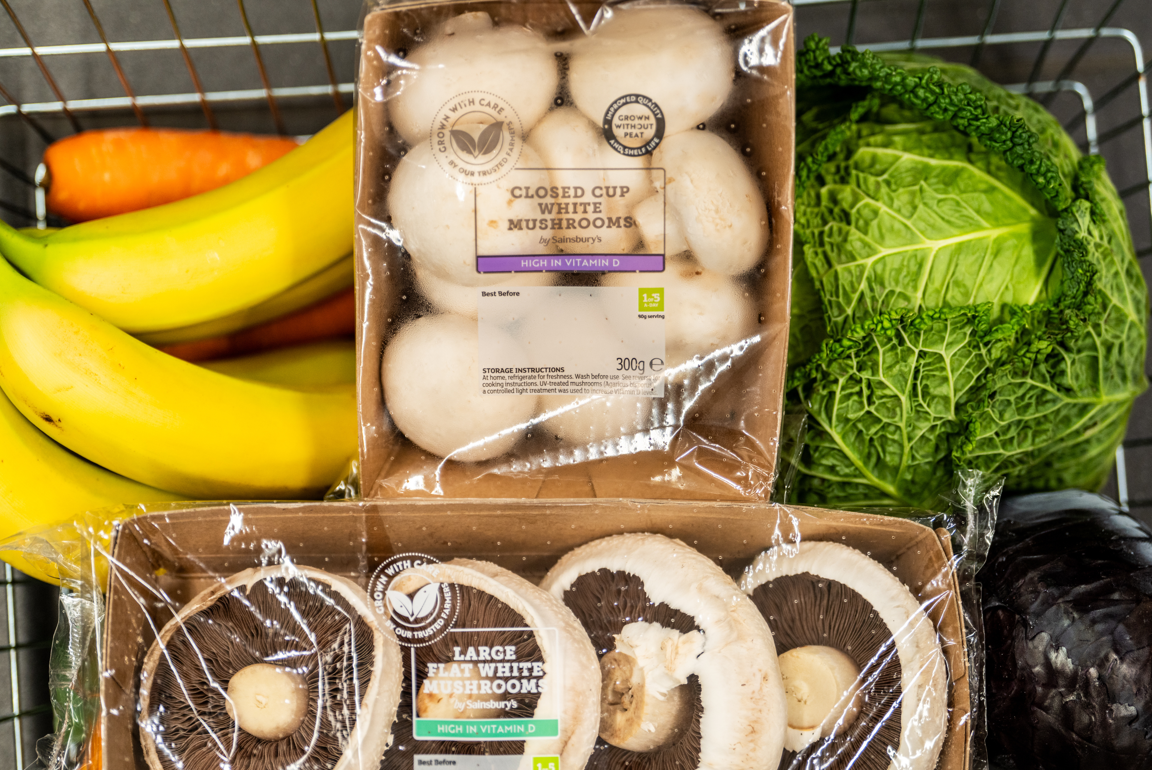

Sainsbury’s introduces peat-free mushrooms in a UK supermarket first, enhancing sustainability efforts.
- The supermarket’s new mushrooms are firmer, whiter, and promise a reduced carbon footprint.
- These mushrooms feature UK-sourced recycled materials, marking a significant shift in mushroom farming.
- With an extended shelf life, these mushrooms align with Sainsbury’s sustainability goals.
- Sainsbury’s leads the way in addressing environmental concerns tied to traditional peat usage.
Sainsbury’s has taken a pioneering step by becoming the first UK supermarket to introduce mushrooms grown without the use of peat, as part of its broader sustainability initiatives. These environmentally friendly mushrooms are cultivated using a unique casing layer made from natural recycled materials sourced within the UK, alongside by-products from various agricultural industries. This innovative approach not only contributes to reducing the carbon footprint but also represents a landmark innovation in the industry, as it is expected to decrease peat usage by a substantial 20,465 tonnes annually.
The physical attributes of these mushrooms are noteworthy; they are described as being firmer and whiter compared to those traditionally cultivated with peat. In addition to their aesthetic benefits, the mushrooms have a practical advantage, offering an extended shelf life of 11 days, surpassing the conventional 10 days of peat-grown varieties. This enhancement not only benefits consumers by providing longer-lasting produce but also supports retailers through reduced waste.
These mushrooms, bearing the distinctive ‘Grown without Peat’ label on their packaging, will be rolled out to more than 200 Sainsbury’s stores, accounting for about one-fifth of the retailer’s mushroom inventory. Offered in two specific variants, White Closed Cup 300g and White Baby Button 200g, they represent a significant portion of Sainsbury’s mushroom offerings.
Richard Crampton, Sainsbury’s director of fresh food, highlighted the importance of this development in aligning with the company’s objective of achieving a resilient and sustainable food system. He remarked, “At Sainsbury’s, we’re committed to playing our part in enabling and driving a resilient and sustainable food system, including protecting nature and reducing carbon to Net Zero.” He further emphasised the role of their partner, Monaghan, in this achievement, stating that their 10-year endeavour was instrumental in developing the peat-free alternative.
This move by Sainsbury’s comes amid increasing scrutiny over the environmental impact associated with peat-grown mushrooms. Peat extraction, although popular for its ability to retain moisture and optimise yield, is known to generate carbon emissions comparable to more than 2,600 cars annually. The initiative by Sainsbury’s aligns with broader environmental efforts across the industry, as evidenced by Waitrose’s experiments with alternative substrates like coconut husk fibre at their Hampshire Leckford Estate farm, although these have yet to reach the commercial market.
Sainsbury’s introduction of peat-free mushrooms sets a precedent in sustainable supermarket practices, potentially influencing industry standards.

