
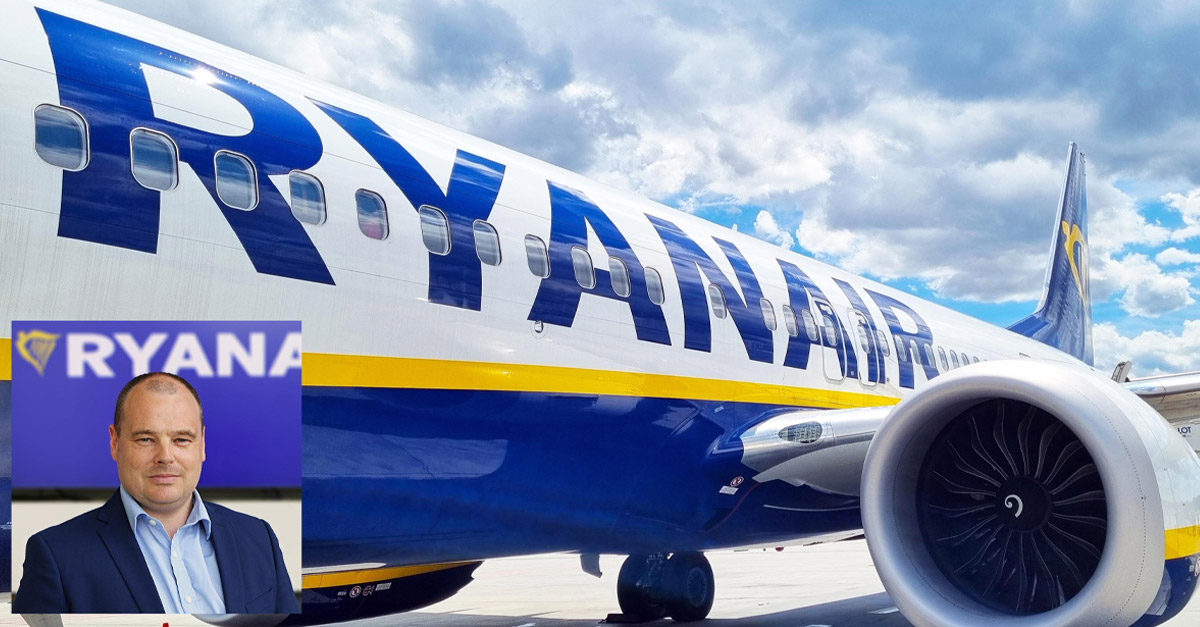

The COVID-19 pandemic necessitated significant shifts across the airline industry. For Ryanair, the pressure of refund demands ushered in profound changes.
Ryanair’s experience highlighted three pivotal challenges: markup prices, lack of customer contact, and refund disputes with online travel agencies (OTAs).
Ryanair’s Strategic Response
In the wake of COVID-19, Ryanair faced unprecedented calls for refunds, revealing underlying issues in its dealings with online travel agencies (OTAs). The airline’s chief marketing officer, Dara Brady, described this period as a phase of crucial transformation. “It was a remarkable change in the industry,” he noted. The pandemic prompted Ryanair to reassess its strategy with OTAs, seeking more control over customer interactions and pricing.
The urgency to resolve issues with OTAs became apparent when millions of customers reported unmet refunds. Ryanair discovered OTAs were marking up prices and retaining customer funds, exacerbating consumer frustrations. In response, Ryanair implemented a verification process to ensure refunds were processed correctly, despite some OTAs labelling this as challenging. The company’s proactive approach led to unprecedented industry collaborations.
New Partnership Deals
Among the turning points in Ryanair’s strategy was a series of strategic agreements with prominent travel companies. Starting with an alliance with loveholidays in January, Ryanair forged new paths with industry giants like Expedia, Tui, and On the Beach. These partnerships expanded Ryanair’s reach, enabling more access for agents and operators.
One noteworthy development was Ryanair’s integration with Travelfusion, a technological leap that facilitated better distribution of its flights. This move was hailed by Brady as a significant advancement for smaller-scale partners, ensuring equitable access to Ryanair’s offerings. “It gives the same opportunities to make a direct connect,” Brady emphasized, underscoring the importance of technology in broadening market access.
Challenges with Non-compliant OTAs
Despite widespread agreements, certain OTAs like EDreams and Booking.com remain outliers. Brady highlighted, “EDreams is different because their business model is scraping and adding fees.”
Ryanair’s legal victory against Booking in the US stands as a cautionary tale for non-compliant OTAs. Brady speculated that without compliance, firms like Booking might struggle to stay competitive, though their stance remains a choice.
The Impact of Verification Processes
Ryanair’s insistence on stringent verification processes to handle refunds marked a pivotal change. Initially met with resistance, these processes proved crucial for restoring consumer trust and maintaining fair pricing.
The ability to directly engage with customers reshaped Ryanair’s operations. The airline could better manage its financial transactions, ensuring funds reached the rightful recipients promptly.
Potential Expansion into Package Holidays
Amidst these strategic changes, Ryanair hinted at potential future ventures, including entering the package holiday market. CEO Michael O’Leary’s comments, “I wouldn’t rule out setting up a holidays division,” reflected a cautious yet open stance towards this market shift.
However, O’Leary clarified that such expansion would not be pursued until Ryanair received all outstanding Boeing aircraft, a logistical necessity stretching to 2034. Despite this, the possibility of diversification remains a topic of industry speculation.
Long-term Vision and Industry Outlook
Ryanair’s evolving strategies reflect a commitment to adapt and thrive amidst ever-changing industry dynamics. The airline’s focus remains on enhancing customer relations and operational efficiency.
This transformation journey not only underscores the need for robust partnerships but also the willingness to navigate complex market forces. As Ryanair continues to bolster its operational framework, it sets a precedent for adapting to future challenges within the aviation sector.
Conclusion
Ryanair’s navigation through pandemic-induced challenges exemplifies strategic resilience. By forging key partnerships and advocating for transparent dealings, the airline has fortified its industry position.
As Ryanair adapts to the post-pandemic world, its strategic partnerships signify a robust blueprint for future growth and adaptability.
These efforts not only address past challenges but also lay the groundwork for a resilient, customer-oriented future in global aviation.

