
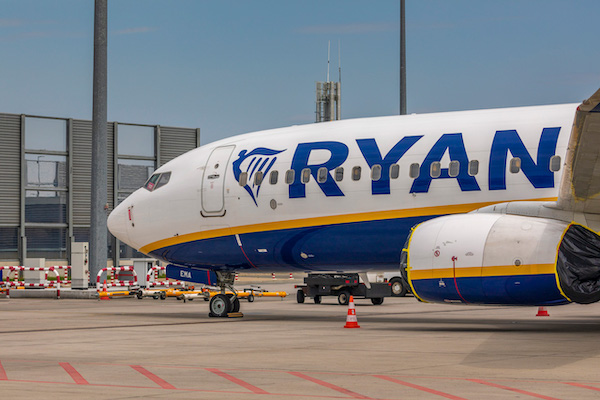

Ryanair has paused its flights to Tel Aviv due to a dispute over airport costs, mere weeks after services resumed. These flights had restarted on February 1, following a lengthy hiatus.
The airline’s halt in operations stems from ongoing disagreements with Tel Aviv’s Ben Gurion International Airport concerning terminal usage fees. Ryanair’s operations are cost-sensitive, making the price disparities at the core of the controversy.
Background of the Suspension
Ryanair has ceased its flights to Tel Aviv less than a month following their resumption, citing unresolved disagreements regarding airport fees. The airline initially restarted operations at Ben Gurion International Airport on February 1, after having suspended them due to the Gaza conflict. The renewed suspension occurred on a Tuesday, with the airline asserting that it will maintain this stance until specific conditions are addressed.
Ryanair has emphasised the necessity for reopening Terminal 1, a facility dedicated to low-cost flights, as a prerequisite for resuming services. Currently, the airline faces pressures to operate through Terminal 3, which incurs higher operational costs. This has led to Ryanair’s insistence on an agreement for Terminal 1 prices, despite the interim usage of Terminal 3.
Statements from Ryanair
Chief Executive Eddie Wilson has publicly expressed frustration, stating, “We were deeply disappointed by Ben Gurion International airport’s refusal to reopen the low-cost Terminal 1 where Ryanair normally operates.” Wilson highlighted cooperation efforts with the Israeli government and the airport to reintroduce low-fare flights, only to encounter unforeseen obstacles.
Wilson further articulated Ryanair’s willingness to collaborate with Ben Gurion International Airport to rejuvenate air travel in Israel, but he stressed the financial impracticality of higher fares due to re-routing through Terminal 3. Additionally, Ryanair has urged the airport authorities to provide a confirmed reopening date for Terminal 1.
Financial Implications
The financial dynamics of this situation are critical. Ryanair operates on a business model that necessitates low operational costs, aligning with the expectations of budget travellers who prioritise inexpensive travel options. By having to operate out of Terminal 3, these low costs are undermined.
Ryanair has argued that the increased expenses associated with Terminal 3 impact their ability to offer competitive pricing. Without an assurance from the airport to revert to Terminal 1 fees, Ryanair posits that its business model in Tel Aviv is not financially viable.
Impact on Passengers
Passengers eager to travel to and from Tel Aviv are caught in the middle of this financial tussle. The suspension has undoubtedly disrupted travel plans, leaving consumers searching for alternatives. The closure of Terminal 1 restricts the availability of low-cost airfare options directly affecting passengers’ budgets.
The situation highlights the dependency of budget-conscious travellers on airlines like Ryanair. Their absence in the market can significantly alter the travel landscape, pushing passengers towards more costly options, or deterring travel altogether due to increased financial burden.
Ryanair’s Strategic Response
Ryanair has taken strategic measures by engaging directly with airport authorities and seeking governmental intervention to resolve the current impasse. This proactive approach underscores the airline’s commitment to reinstating its services under economically feasible conditions.
In its correspondence, Ryanair has reiterated its demand for a definite timeline for the reopening of Terminal 1. The airline’s strategy involves applying continuous pressure on Ben Gurion International Airport to ensure a quick resolution, thereby facilitating the return of low-cost travel options for consumers.
Industry Reactions
Industry observers are closely monitoring the unfolding events, viewing Ryanair’s suspension as a significant development within the aviation sector, particularly impacting low-cost travel. Analysts speculate on the broader implications for other budget airlines operating under similar constraints.
The potential ripple effect on tourism and air travel in Israel is of particular concern. Stakeholders, including travel agencies and allied businesses, anticipate adjustments in their own operational strategies to accommodate changes stemming from Ryanair’s decision.
Call for Resolution
The need for a clear resolution is increasingly pressing, as both Ryanair and authorities at Ben Gurion International Airport face mounting pressure to act in the best interest of travellers. A collaborative effort could pave the way for not only Ryanair’s return but also bolster long-term strategies for cost management at the airport.
The impasse between Ryanair and Ben Gurion International Airport is a significant disruption in air travel services in Tel Aviv. A resolution is essential to balance operational costs with consumer fare expectations.
Reconciling these differences could reinstate Ryanair’s affordable travel options, boosting the tourism sector and enhancing connectivity for travellers.

