
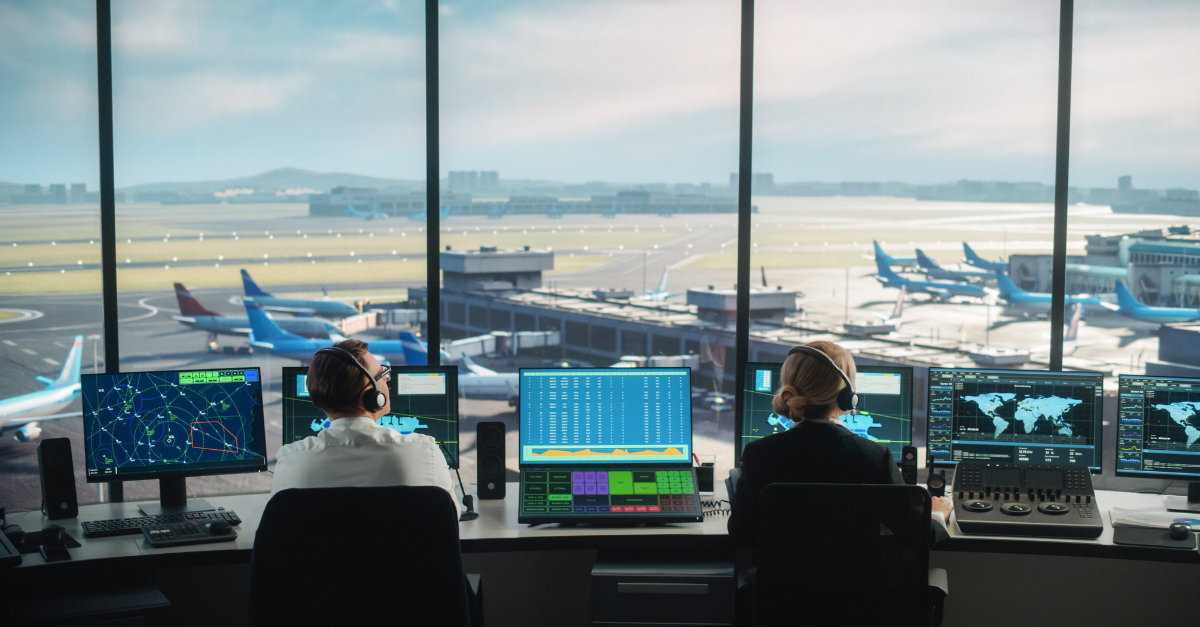

European air travel faces significant turbulence, with Ryanair citing unprecedented delays.
The airline calls for urgent reforms amid rising passenger dissatisfaction.
Ryanair is grappling with severe disruptions, attributing 60-plus flight cancellations to European air traffic control (ATC) inefficiencies. More than 30% of its flights suffered delays in one day due to ATC underperformance.
The airline’s operational stability was further compromised with 16 aircraft stranded ‘out of base’, missing vital airport curfew landing times.
On a particular Friday morning, a notable 25% of Ryanair’s early departures were postponed, primarily due to staff shortages and technical issues at the ATC Maastricht centre. This reflects the systemic issues plaguing Europe’s ATC services.
Ryanair’s Chief Operations Officer, Neal McMahon, emphatically stated, ‘ATC services in Europe this summer are at their worst levels ever.’
Such disruptions are not exclusive to Ryanair, with other airlines like Wizz Air also experiencing significant delays caused by these persistent ATC issues.
Wizz Air disclosed that the European airspace has been heavily impacted by ineffective airport slot management, exacerbated by concurrent adverse weather conditions.
These disruptions have challenged the capabilities of Eurocontrol and other relevant ATC authorities, causing industry-wide delays and cancellations.
The airline industry collectively urges air traffic management authorities to implement proper mitigation strategies to minimise these disruptions.
Ryanair’s McMahon asserts that despite a surge in ATC fees over the past three years, staffing and service levels have continued to dwindle. The call for reform is echoed throughout the aviation sector.
A plea has been made to European Commission President Ursula von der Leyen to address and reform the operational inadequacies within Europe’s ATC systems.
McMahon further criticised Eurocontrol’s inefficiency, calling for immediate actions to deliver a competent and effective service for European citizens.
A spokesperson for Eurocontrol highlighted ongoing issues at the Maastricht Upper Area Centre, citing system problems affecting workload prediction for controllers, thus limiting the number of manageable flights.
Eurocontrol expressed regret over the disruption caused to passengers and partners, promising remedial measures to resolve these issues promptly.
Despite increased traffic in 2024, Eurocontrol claims that non-weather-related delays are lower than the previous year, offering a somewhat optimistic outlook.
Data indicates that traffic in 2024 has risen by 7% compared to 2023, contributing to the delays experienced by passengers.
Interestingly, when excluding weather impacts, delays are reportedly less frequent than in the same period of 2023.
These statistics provide a nuanced perspective on the operational challenges faced by the ATC sector amidst growing air traffic demands.
The current ATC challenges underscore a pressing need for comprehensive reforms to enhance efficiency and reliability.
Addressing these issues is crucial for maintaining passenger trust and supporting the growth of the European airline industry.
Immediate action is required to ensure a seamless travel experience for all stakeholders involved.
The ongoing ATC issues highlight a critical need for strategic reform. Prompt action is essential to restore efficiency.

