
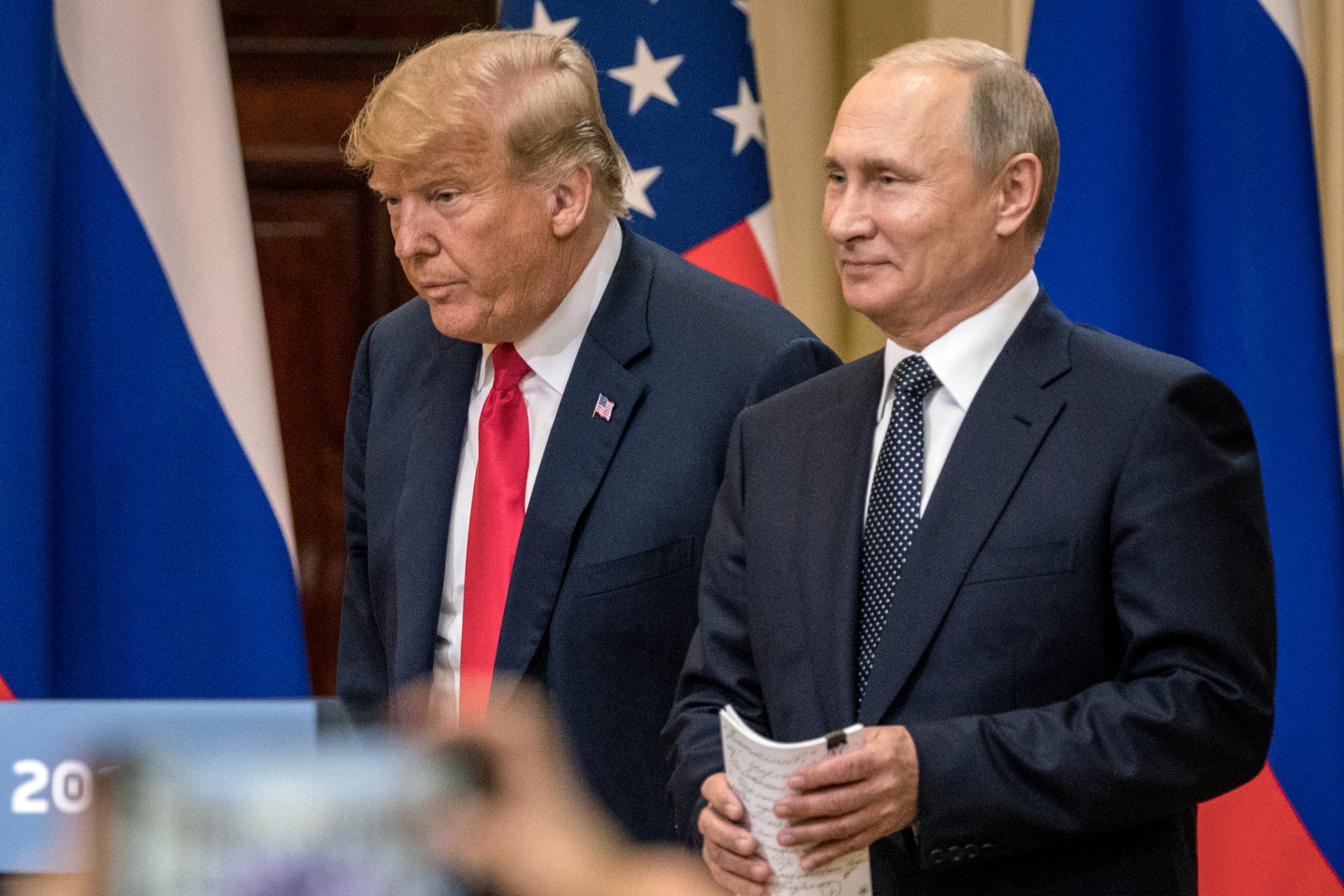

Russia has embarked on a strategic journey to reduce dependency on the US dollar. The newly launched roadmap signifies a shift towards alternative financial platforms. Spearheaded by President Putin, this initiative seeks to remodel global trade dynamics. It could fundamentally change how international payments are made.
The BRICS nations are at the forefront of this change, aiming to transform how global finance operates. By implementing new systems, they envision streamlined international cooperation. The roadmap symbolises a proactive approach to economic independence and growth.
Key Components of De-Dollarization
In a significant move towards reshaping the financial landscape, Russia has unveiled a new platform aimed at curtailing dependency on the US dollar. The strategy involves creating alternative financial systems designed to unlock the economic potential of BRICS nations. At a BRICS Plus meeting in Kazan, President Putin emphasised the importance of this initiative, stating that it aligns with the global majority’s economic growth trajectory.
This platform will introduce new methods for cross-border transactions, setting the stage for enhanced cooperation among member countries. It aims to streamline how banks interact, making cross-border money management seamless. By doing so, it intends to foster a cooperative environment that reduces reliance on traditional financial systems.
Implementation Process
The BRICS nations are gradually reducing their reliance on the US dollar. This shift requires building robust, reliable financial mechanisms free from unilateral influence. Putin articulated the need for these structures at the BRICS meeting, highlighting the diverse timing of their implementation across different areas.
The process calls for establishing production and logistics chains and enhancing technological exchanges. Each phase will be subject to different timelines, marking a versatile approach to the shift in traditional monetary frameworks. By doing this, BRICS is envisaged to forge stronger economic links and create new transport corridors.
Strategic Partnerships
Strategic alliances form a vital part of this initiative, particularly for countries like Saudi Arabia, Russia, China, and India. At the meeting, Putin highlighted the significance of these alliances, which have already led to funding over 100 projects worth billions through the BRICS Bank.
These partnerships are not just financial but also involve collaborative projects that advance the de-dollarization agenda. The synergy among member countries is set to enhance economic ties significantly. Such collaborative investment is expected to play a crucial role in facilitating the transition from traditional currency reliance.
Investment Security Measures
Ensuring the security of investments in growth markets is a critical component of Russia’s roadmap. Putin underscored the need for secure investment platforms in emerging markets. This proposal aims to create a conducive environment for stable investments, underpinning the de-dollarization objectives.
The roadmap plans to establish new transport routes spanning the North-South and Northern Sea areas. These routes are envisioned to build a financial system independent of existing frameworks. These strategic measures are designed to safeguard financial interests while allowing markets to expand sustainably.
Global Finance Transformation
The roadmap for de-dollarization signifies a monumental change in global financial dealings. BRICS states are setting out to redefine international trade by altering money movement mechanisms, sharing technological advancements, and establishing new trade passages.
This transformation is not just economic but strategic. Enhanced trade routes and partnerships are expected to fortify BRICS’s position in the global economy. This comprehensive overhaul represents a significant stride away from established financial norms, charting a new course for international finance.
The movement towards de-dollarization reflects broader strategic goals. It emphasises a shift from conventional currency systems while promoting stronger economic interdependencies. Through mutual cooperation, BRICS countries are poised to strengthen their economic resilience against global financial volatility.
Investment and Economic Security
Russia’s de-dollarization roadmap has a profound emphasis on safeguarding investments. Ensuring secure investment avenues is paramount to this initiative. It aims to provide a stable economic environment conducive to growth. Security measures encapsulate the core of the proposed financial platform.
The initiative seeks to redefine financial security by creating pathways for secure investments in emerging markets. It focuses on crafting a robust environment that protects against economic uncertainties. By bolstering market confidence, this strategic approach is anticipated to support sustainable economic development.
Challenges and Opportunities
Although ambitious, the roadmap is not without challenges. It demands a reconfiguration of existing financial systems, requiring substantial coordination among participating nations.
Opportunities abound as well. The potential for new markets, technological exchange, and stronger economic ties presents a forward-looking perspective. However, the path to de-dollarization requires careful navigation to mitigate inherent risks and leverage emerging opportunities.
Through strategic planning and international collaboration, the BRICS nations aim to overcome obstacles while capitalising on prospective economic benefits. This initiative underscores a commitment to reimagining global finance consistent with evolving geopolitical landscapes.
Future Implications
The implications of Russia’s de-dollarization strategy could be far-reaching, affecting global financial stability and trade dynamics. The roadmap has the potential to reshape international relations and influence future economic policies.
As countries pivot towards more diversified financial systems, a paradigm shift in global finance appears imminent. The ripple effect of these changes may redefine conventional trade frameworks and challenge traditional power dynamics.
The evolution of these financial systems promises greater autonomy for emerging markets, potentially altering the status quo of global economic influence. As BRICS countries continue to implement this strategy, the global financial architecture may undergo significant transformation.
As Russia’s de-dollarization plan takes root, the shift signals a new era in global finance. The roadmap not only redefines economic partnerships but also fosters financial resilience among BRICS nations.

