
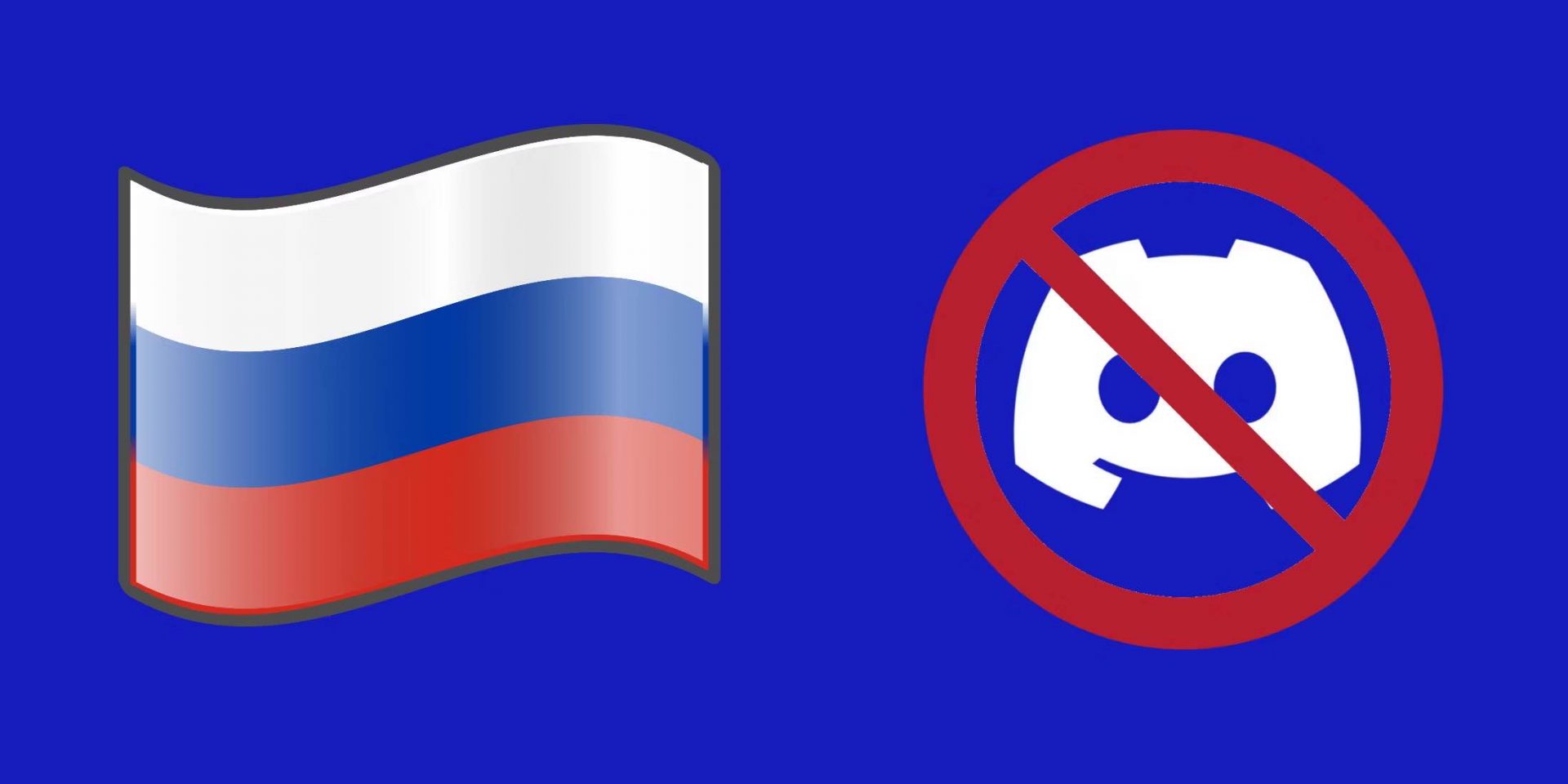

In a decisive move, Russia has enforced a ban on the messaging platform Discord, citing non-compliance with national laws.
The prohibition marks another entry in Russia’s series of measures to curb foreign digital influence amidst ongoing geopolitical tensions.
The Regulatory Stance and Its Implications
Russia has taken a robust stance against Discord, citing the platform’s non-compliance with local regulations as the key justification for this ban. This move adds Discord to a burgeoning list of digital platforms that have faced regulatory action in Russia. The decision underscores the country’s heightened vigilance towards foreign digital platforms that do not align with its stringent legal frameworks.
The restrictions imposed by Roskomnadzor, Russia’s communications regulator, reflect a broader initiative to control the flow of information within its borders. This encompasses enforcing compliance with national laws to curb the misuse of such platforms for illegal activities, including terrorism and drug trafficking.
The country has insisted on the removal of approximately 1,000 pieces of content deemed illegal, a directive that Discord has yet to fully address. The action against Discord is part of a wider trend of increasing governmental control over internet companies, aiming to ensure these platforms operate within the boundaries set by Russian legislation.
Financial Repercussions and Broader Bans
Discord’s inability to adhere to Russian laws has resulted in a financial penalty of $36,150. This fine is indicative of the monetary consequences digital platforms face when failing to meet national regulatory standards. However, the implications of the ban extend beyond financial penalties, threatening Discord’s market presence and user base in the region.
Joining the ranks of other banned platforms such as X, Facebook, and Instagram, Discord’s ban signifies Moscow’s continued efforts to regulate foreign influence in its digital landscape. These platforms were scrutinised and subsequently banned around the time of geopolitical tensions arising from the Ukraine conflict.
The Russian government’s approach is part of its broader geopolitical strategy to limit Western digital influence. It underscores Russia’s ambition to foster stronger regional alliances, like BRICS, to compete on a global scale without reliance on Western technologies.
[twitter-embed-display twitter_url=’https://twitter.com/BRICSinfo/status/1843674154975076749′]
Discord’s Silence and Potential Responses
Following the ban, Discord has yet to release an official statement responding to the restrictions imposed by the Russian government. This silence leaves many questions unanswered concerning the company’s position on its compliance and potential steps forward.
Despite the ban, Discord remains a pivotal platform for communication globally. Its response—or lack thereof—could set a precedent for how other digital platforms engage with international regulatory challenges. The way Discord addresses these restrictions will likely influence its reputation and operations in similarly restrictive markets.
If Discord chooses to adapt its policies to align with Russian requirements, it might regain access to this significant market. However, this adjustment would require a careful balancing act between adhering to local laws and maintaining its core principles of user privacy and free communication.
The Broader Context of Russian Digital Policy
This latest ban on Discord is a continuation of Russia’s aggressive digital policy aimed at strengthening its control over cyberspace. The regulatory framework established by Moscow is a clear attempt to safeguard national interests and limit external influence from Western digital giants.
Russia’s alignment with the BRICS alliance serves as a strategic move to bolster its economic and technological independence from the West. This alliance facilitates the growth of alternative digital ecosystems and supports Russia’s agenda of reducing reliance on Western technology infrastructure.
The technological and economic strategies of Russia are increasingly reflecting a pivot towards self-reliance and regional collaboration. As international tensions persist, particularly with Western nations, the country’s digital policies are expected to become even more restrictive.
Legal and Ethical Considerations
The sudden ban of Discord in Russia has immediate implications for millions of users who rely on the platform for day-to-day communication. Users are forced to seek alternative platforms that comply with Russian regulations, disrupting established communication channels.
The ban has also sparked debates internationally over the jurisdictional reach of national laws on global digital platforms. As countries like Russia assert sovereign control over cyberspace, global tech companies are increasingly faced with the dilemma of navigating complex legal landscapes. This situation raises questions about the balance between national security and the global nature of the internet.
In various international forums, this ban is contributing to discussions about digital sovereignty and the permissible extent of governmental control over internet resources.
Legal and Ethical Considerations
Discord’s ban raises significant ethical and legal concerns regarding digital rights and freedom of expression. The enforcement of such bans challenges the principles of an open internet and invites scrutiny over the ethical obligations of tech companies in adhering to local laws.
Countries must weigh their national security against the fundamental rights of digital freedom and privacy, a balance that proves complex in the case of expansive digital platforms. As governments enforce compliance, the extent to which they can or should influence the operation of global platforms remains a contentious issue.
This ban exemplifies the ongoing conflict between state sovereignty and digital independence, prompting a reevaluation of international digital governance policies. The transformative impact of these policies on global internet users cannot be underestimated.
Russia’s ban on Discord illustrates the country’s stringent approach to digital sovereignty and regulatory control. The broader implications of this ban are indicative of the growing challenges faced by global digital platforms in adhering to local laws. As geopolitical tensions continue to shape digital landscapes, the intersection of technology and regulation remains a critical area of focus.

