
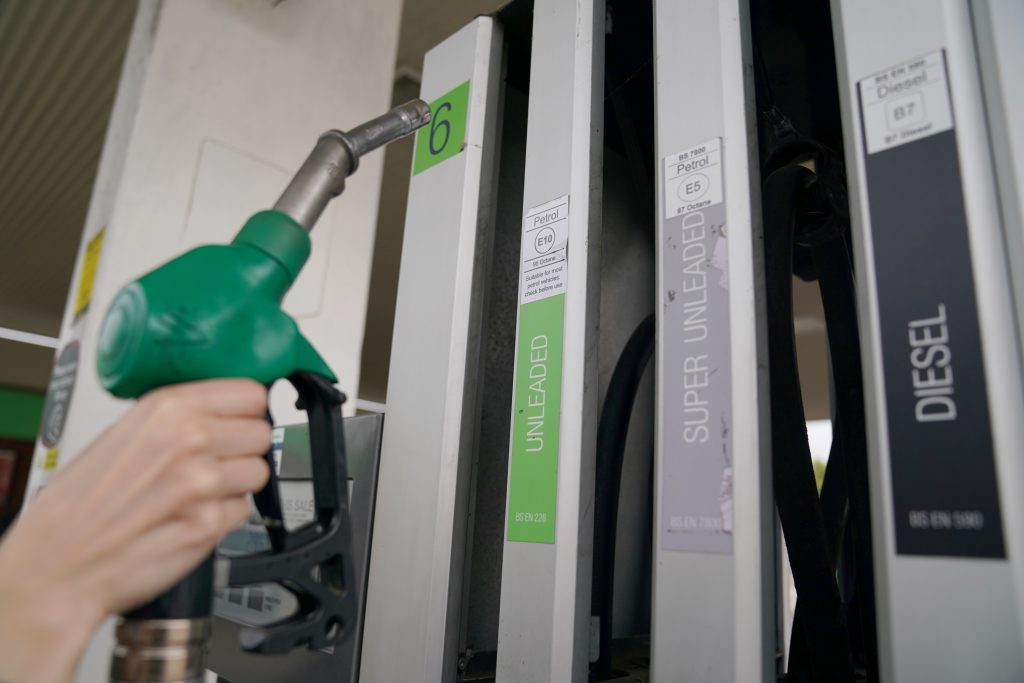

Rural areas have been disproportionately affected by recent increases in supermarket fuel prices. With prices for petrol and diesel rising significantly higher in rural regions than in urban areas, many are facing growing financial pressures.
Describing a broader trend, the AA highlights the substantial price differences experienced by rural drivers, which have persisted despite government scrutiny. This situation underscores a critical economic challenge that rural communities must address.
Rural Areas Face Disproportionate Hardship
The escalation in fuel prices has starkly highlighted the challenges faced by those residing in rural areas, where the cost of living can already be significantly higher than urban regions. Reports indicate that rural drivers are now paying as much as 10p to 15p more per litre than their urban counterparts. This disparity has surfaced despite ongoing scrutiny from MPs and the Competition and Markets Authority (CMA).
Factors Behind Rising Fuel Costs
Several elements contribute to the mounting fuel costs, but recent production cuts in Russia and Saudi Arabia have been substantial factors in driving petrol and diesel prices upward. Petrol prices have soared to 149.13p per litre, marking the highest point since February, while diesel prices have now hit 150p. The AA has attributed these increases to global supply issues, exacerbating financial challenges for consumers, particularly in rural settings.
The complex nature of fuel pricing means that, beyond international factors, there are domestic policies and market behaviours influencing costs at the pump. The AA’s spokesperson, Luke Bosdet, expressed concern over the enduring practice of supermarkets overcharging, highlighting systemic issues within the UK’s fuel retail sector.
Supermarket Policies and Market Competition
Over decades, supermarkets have employed pricing strategies that involve undercutting local fuel stations by small margins. This approach has curtailed competition in higher-priced areas, with oil company-branded forecourts often following suit rather than offering competitive pricing.
Asda’s recent move to publish fuel prices online marks a potential shift towards greater transparency. However, this initiative alone may not be sufficient to disrupt entrenched practices that have led to the current disparities in fuel pricing.
Government Intervention and Transparency Efforts
In a bid to address these issues, Energy Secretary Grant Shapps convened meetings with major supermarket chains and fuel providers, including BP, Shell, and Esso. The discussions aimed at enhancing price transparency at fuel stations. Such measures are deemed crucial by the government and consumer protection bodies in ensuring fair pricing across different regions.
The call for transparency is not new, but the recent round of talks could signal a renewed commitment to addressing consumer concerns. The emphasis on digital transparency and accountability continues to be a focal point in policy discussions.
Public Response and Industry Commentary
Public sentiment has been one of frustration and concern, particularly from those who feel disproportionately impacted by the high fuel costs in rural areas. There is a growing demand for retailers to reassess their pricing strategies and consider the broader economic implications on local communities.
Industry experts suggest that achieving real change requires both policy intervention and a shift in retailer practices. While some progress is visible, the path to equitable fuel pricing remains fraught with challenges. This sentiment is echoed by consumer advocacy groups who emphasise the need for comprehensive reforms.
The Broader Economic Impacts
The economic effects of high fuel prices extend beyond direct transportation costs, influencing the cost of goods and services throughout rural communities. This situation threatens to widen the economic divide between urban and rural areas, necessitating critical attention from policymakers.
Rising fuel costs may also influence consumer behaviour, prompting shifts towards more fuel-efficient transport options. Longer-term solutions may involve enhancing public transport infrastructure and advocating for sustainable energy alternatives.
As debates continue over the best course of action, the potential impact on rural economies grows more pronounced, calling for immediate and sustained efforts to address fuel pricing inconsistencies.
Conclusion
The ongoing issue of fuel pricing disparities necessitates a multi-faceted approach involving government action, supermarket transparency, and enhanced competition. Without these, rural communities could continue to face financial strains.
Achieving fairness in fuel pricing is not merely a consumer rights issue but a broader economic imperative that affects regional sustainability and growth.
Addressing the discrepancies in fuel prices between rural and urban areas is essential for economic equity. It requires active involvement from multiple sectors, ensuring that pricing practices are transparent and competitive.
Future efforts must focus on mitigating the financial burden on rural communities to foster a balanced economic landscape across the nation.

