
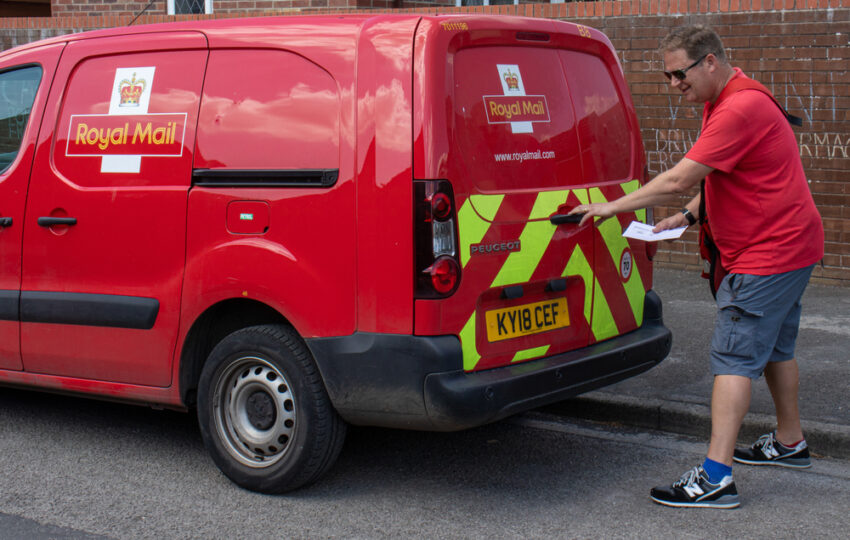

Royal Mail CEO has issued a stark warning, urging Labour to support essential postal reforms or face severe repercussions. The call comes ahead of Ofcom’s anticipated consultation on potential changes to the Universal Service Obligation (USO).
The future of Royal Mail hinges on these reforms, given declining letter volumes and the rise in parcel deliveries. Without ministerial backing, the responsibility will fall on the government, making it imperative for Labour to act.
Urgency in Postal Reform
Royal Mail’s CEO has underscored the dire need for postal reform, highlighting that the consequences of inaction will ultimately burden the government. “The problem will land on the desk of the government,” he stated. The urgency of this matter has been exacerbated by Ofcom’s forthcoming consultation, which may include significant changes like eliminating Saturday second-class deliveries.
The company has been actively advocating for adjustments to the Universal Service Obligation (USO), which it deems as a roadblock to its transition from a traditional letter carrier to a competitive parcel delivery service provider. Ofcom’s consultation, expected early next year, could lead to substantial reforms, shifting focus towards the burgeoning parcel market.
Leadership and Operational Challenges
Royal Mail’s current CEO, who took charge last year, has been vocal about the need for reform. He stressed that without these reforms, postal workers would face inefficiencies, leading to financial losses. “Postal workers would be walking around with an empty bag… and then you lose tons of money,” he emphasised.
Despite these challenges, Royal Mail is navigating a £3.57 billion takeover bid from EP Group, supported by Czech billionaire Daniel Kretinsky. In response to financial pressures, the company recently increased the price of a first-class stamp by 30p, effective from October 7. This move aims to address the urgent need for revenue improvements.
Governmental and Regulatory Involvement
The Department for Business and Trade has recognised the importance of a dependable and cost-effective postal service. A spokesperson highlighted its significance for UK businesses. Ofcom has initiated a review to ensure the postal service aligns with current usage patterns and the government is considering the recommendations.
Seidenberg’s tenure has been marked by efforts to stabilize Royal Mail despite financial setbacks such as shrinking market share and strikes over pay and conditions. The company missed delivery targets for two consecutive years, facing potential penalties from Ofcom. Under Seidenberg, measures to enhance operational efficiency and delivery reliability were implemented, including hiring logistics experts and offering incentives for performance targets.
Future Prospects and Strategic Initiatives
Seidenberg remains resolute that without reforms to the USO, Royal Mail’s long-term sustainability is at risk. He pointed out a significant shift from traditional letter volumes, which plummeted from 20 billion annually in 2004-05 to just 6.7 billion today. “The future is, I’m afraid to say, parcels,” he asserted.
Looking ahead, Seidenberg is optimistic about the potential benefits of Kretinsky’s takeover but warned that regulatory delays could impede progress. Ofcom’s consultation is expected to conclude next summer, coinciding with the postal industry’s peak Christmas season. Seidenberg is pushing for expedited actions, stressing that “It just needs urgency.” He also mentioned plans to expand into parcel lockers and electrify the vehicle fleet.
The future viability of Royal Mail depends heavily on the support for critical postal reforms. Failure to act could have far-reaching consequences for the postal service and the government.
It is clear that without these essential changes, Royal Mail will struggle to compete in the evolving market, putting at risk not just its financial health but also its role in the UK’s postal infrastructure.

