
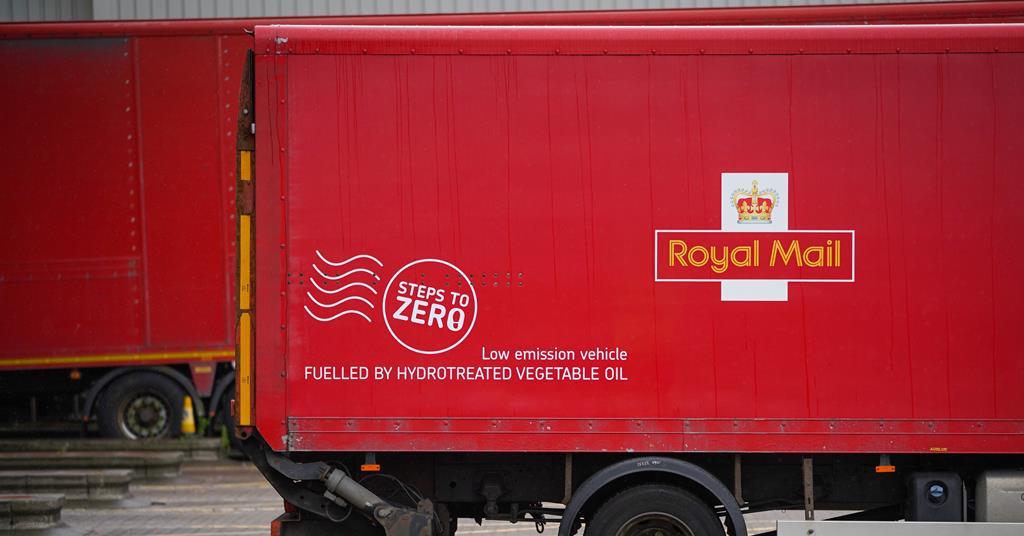

Royal Mail has achieved a significant milestone in its use of hydrotreated vegetable oil (HVO), marking a notable step in its environmental strategy.
- The company has utilised over 10 million litres of HVO, achieving a reduction of more than 30,000 tonnes of carbon dioxide emissions.
- HVO is now deployed at six major Royal Mail sites, including key hubs in Daventry, Warrington, and Manchester.
- Royal Mail intends to increase its HVO usage to 27 million litres annually, targeting an additional saving of 44,000 tonnes of carbon.
- The initiative aligns with Royal Mail’s ‘Steps to Zero’ strategy which aims for net zero by 2040, with a significant emissions reduction by 2030.
Royal Mail has marked an important milestone in its adoption of hydrotreated vegetable oil (HVO), a cleaner alternative to traditional diesel, for its heavy goods vehicle (HGV) fleet. The organisation has successfully utilised over 10 million litres of this alternative fuel, achieving a significant reduction in its carbon footprint—specifically, more than 30,000 tonnes of carbon dioxide emissions have been saved.
The introduction of HVO, which began in June 2023, is aimed at reducing the overall environmental impact of its fleet operations. The fuel is currently in use at six of Royal Mail’s largest distribution sites, encompassing locations such as Daventry, Warrington, and Manchester. Each of these sites forms a critical part of Royal Mail’s operational network, underscoring the strategic importance of this initiative.
Looking ahead, Royal Mail plans to further expand its use of HVO. By the next year, the company aims to increase its annual consumption to 27 million litres. This expansion is projected to save an addition of 44,000 tonnes of carbon dioxide, reinforcing its commitment to environmental sustainability.
Royal Mail’s environmental ambitions are encapsulated in its ‘Steps to Zero’ strategy. The strategy outlines a goal of achieving net zero carbon emissions by the year 2040, with a 50% reduction in Scope 1 and 2 emissions by 2030. Zebrina Hanly, head of the environmental division, emphasised the importance of this strategy to the organisation’s customers, indicating that the shift towards low emission fuels like HVO is a transitional step while more permanent solutions such as electric and hydrogen-powered vehicles are still under development.
In addition to the HVO rollout, Royal Mail has integrated 5,000 electric vans into its fleet. This move further exemplifies its comprehensive approach to decarbonisation and showcases its leadership in maintaining low emissions per parcel. Royal Mail claims the lowest emissions among peers, currently standing at 218gCO2e per parcel, signifying its proactive stance in the industry.
Royal Mail’s commitment to sustainable fuel sources and emissions reduction evidences its role as a leader in environmental responsibility within the logistics sector.

