
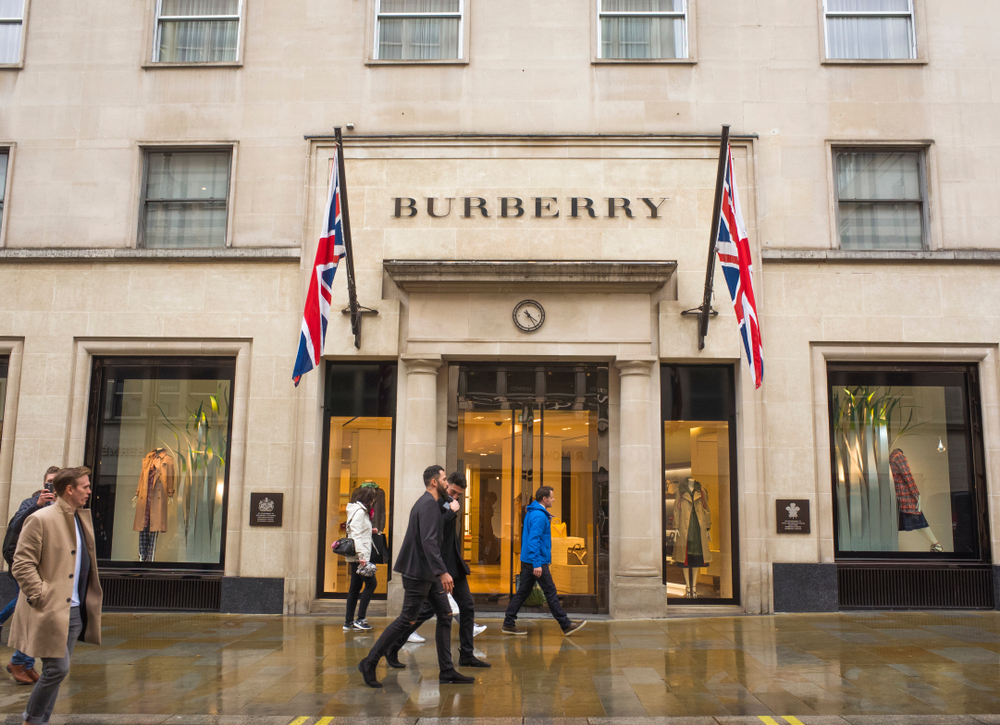

In a strategic shift, Rod Manley, the Chief Marketing Officer at Burberry, is set to leave his position by the year’s end.
Manley’s exit follows a dynamic six-year tenure marked by significant marketing initiatives and economic challenges faced by the luxury brand.
Background of Rod Manley’s Tenure at Burberry
Rod Manley, Chief Marketing Officer at Burberry, has decided to step down after serving the iconic fashion house for six years. Manley joined Burberry in January 2019, bringing with him a wealth of experience from his previous role as Executive Vice President at Calvin Klein in New York. He initially worked closely with Riccardo Tisci, the former Creative Director, and later with Daniel Lee, the current Chief Creative Officer.
Throughout his tenure, Manley has been instrumental in driving Burberry’s marketing strategies, adapting to the ever-changing landscape of the fashion industry. Under his guidance, Burberry navigated numerous challenges, including its strategic repositioning efforts during a turbulent economic climate. This period saw the brand grappling with a 36% decline in full-year operating profit, amounting to £418 million, alongside a 4% dip in sales.
Challenges Facing Burberry
The luxury brand has faced a series of challenges in recent years, attributed largely to the shifting dynamics of the luxury market. Burberry’s efforts to execute its strategic plan have been met with hurdles, particularly against the backdrop of a slowing global demand for luxury goods. Jonathan Akeroyd, Burberry’s Chief Executive, acknowledged these difficulties, noting the complexities of aligning their operational goals with market realities.
Manley’s departure coincides with Burberry’s ongoing search for his successor, a process that underscores the importance of continuity in leadership. The transition phase is critical as the brand continues to refine its strategies to maintain its position within the competitive luxury goods sector.
The Impact of Economic Challenges
The economic landscape over the past year has been particularly taxing for Burberry, with fluctuations in demand impacting their financial performance. These challenges were compounded by external factors, such as changing consumer behaviours and geopolitical uncertainties.
Burberry’s response to these challenges included a reassessment of its market positioning and a restructuring of its operational strategies to enhance resilience. The departure of a key figure like Manley at such a pivotal time highlights the brand’s ambition to adapt swiftly to evolving market conditions.
As the UK-based label navigates these headwinds, the search for a new Chief Marketing Officer becomes paramount in ensuring the continuity of its strategic objectives.
Strategic Repositioning Initiatives
Under Manley’s leadership, Burberry embarked on several initiatives aimed at reinforcing its brand identity and augmenting its market presence. These efforts included a renewed focus on digital marketing campaigns and collaborations with influential figures within the fashion industry.
The strategic repositioning also involved a realignment of Burberry’s core values, emphasising sustainability and innovation as central themes. By integrating these elements into its brand narrative, Burberry aimed to resonate more profoundly with a younger, environmentally-conscious consumer base.
The Search for a Successor
Burberry’s announcement of Manley’s departure has intensified the search for a suitable successor, a process expected to draw significant interest from industry veterans. The new CMO will be tasked with not only continuing the legacy left by Manley but also with innovating to meet the brand’s future challenges.
The transition presents an opportunity for Burberry to inject fresh perspectives into its marketing strategies, potentially leading to a revitalisation of its market approach. The brand’s ability to attract and retain top talent will be crucial in driving this new phase of growth.
Market Reaction and Speculation
The news of Manley’s departure has sparked speculation within the industry regarding potential changes in Burberry’s strategic direction. Analysts have weighed in on the implications of this shift, with many highlighting the possible impact on Burberry’s market strategies.
Burberry’s stakeholders are keenly observing the situation, understanding that the appointment of a new CMO could signal a shift in the brand’s trajectory. The focus remains on how Burberry will navigate this transition while maintaining its storied legacy.
Conclusion
Manley’s departure marks the end of a significant chapter for Burberry, but it also heralds a new beginning for the brand as it seeks to overcome the financial and operational challenges it currently faces. The search for a new Chief Marketing Officer is not only a quest for leadership but also an opportunity for transformation. Burberry’s future strategies will need to be robust and adaptable to ensure its continued prominence in the luxury fashion industry.
Rod Manley’s exit from Burberry represents a pivotal moment for the brand during its strategic and economic transition.
The luxury giant now faces the task of finding a successor who can navigate its future challenges and maintain its market prestige.

