
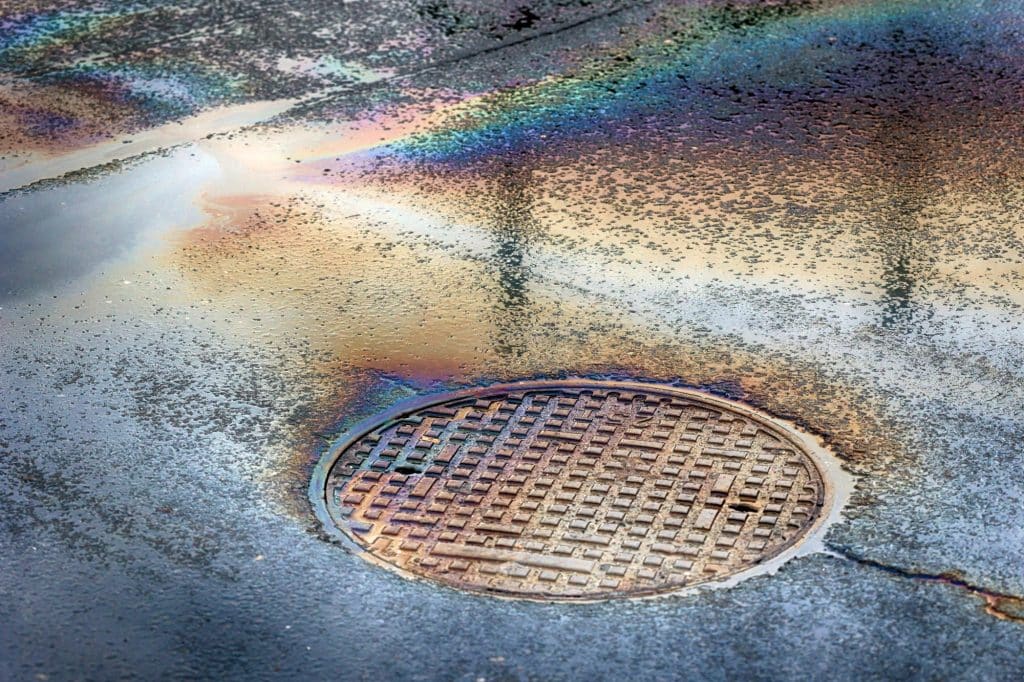

Road runoff is increasingly recognized as a significant environmental threat, causing catastrophic damage to UK waterways.
- A recent whitepaper by Keyline Civils Specialist highlights the severe impact of road runoff on watercourse pollution and aquatic life.
- The report identifies 1 million outfalls where road water meets waterways, contributing to 18% of water body failures in England.
- Acute pollution events lead to visible ecological damage, while chronic pollution steadily degrades ecosystem health over time.
- The failure to enforce regulations exacerbates the problem, with no permits issued for runoff-related pollution in the UK.
Road runoff pollution is fast becoming a critical environmental issue in the UK, as highlighted by a whitepaper from Keyline Civils Specialist. The report, grounded in a roundtable discussion with experts from various sectors, underscores the ‘catastrophic damage’ road runoff inflicts on the nation’s waterways. It brings to light the overlooked pollution problem and explores potential solutions.
Keyline’s investigation reveals that there are approximately 1 million ‘outfalls’ across the UK where road runoff enters watercourses. This pollution is identified as responsible for 18% of water body failures in England, according to the Water Framework Directive. Such findings underscore the magnitude of the issue and the potential for the situation to worsen without intervention.
The distinction between acute and chronic pollution is critical to understanding the full scope of the problem. Acute pollution occurs when pollutants build up during dry periods and then suddenly enter waterways following heavy rains. This phenomenon severely impacts aquatic life, leading to oxygen depletion due to algal blooms and the introduction of toxic substances like heavy metals.
In contrast, chronic pollution flows more insidiously, continuously introducing pollutants into waterways. This ‘drip feed’ effect leads to long-term ecosystem damage, such as bioaccumulation of harmful chemicals and reproductive issues in aquatic wildlife. These impacts persist regardless of short-term weather conditions, compounding environmental harm over time.
Regulatory challenges further complicate the issue of road runoff pollution. The responsibility for road maintenance and runoff management is fragmented across various authorities, including local governments and national agencies. The whitepaper criticizes the lack of accountability and enforcement, noting that no permits for road runoff pollution have been issued, despite their necessity under current regulations. The Environment Agency highlights the need for regulatory changes and increased funding to address these challenges effectively.
Public awareness of water pollution has grown, largely due to media coverage of sewage spills and agricultural runoff. Yet road runoff remains less scrutinized. Keyline Civils Specialist’s call to action aims to change this, encouraging collaboration among industry, government, and environmental organizations to tackle the issue. As HR Wallingford’s Lizzie Gorton emphasizes, solving road runoff pollution is crucial to safeguarding river health.
The Rivers Trust supports this initiative, advocating for a comprehensive monitoring programme and expanded use of nature-based solutions to mitigate pollution. Dr. Rob Collins of the Rivers Trust warns of the hidden dangers of road runoff, which can pollute drinking water sources with a mix of hydrocarbons, metals, and microplastics. The Trust stresses the importance of addressing this issue in tandem with urban and infrastructure development, enhancing resilience against pollution.
Addressing road runoff pollution requires coordinated efforts and regulatory reform to protect UK waterways effectively.

