
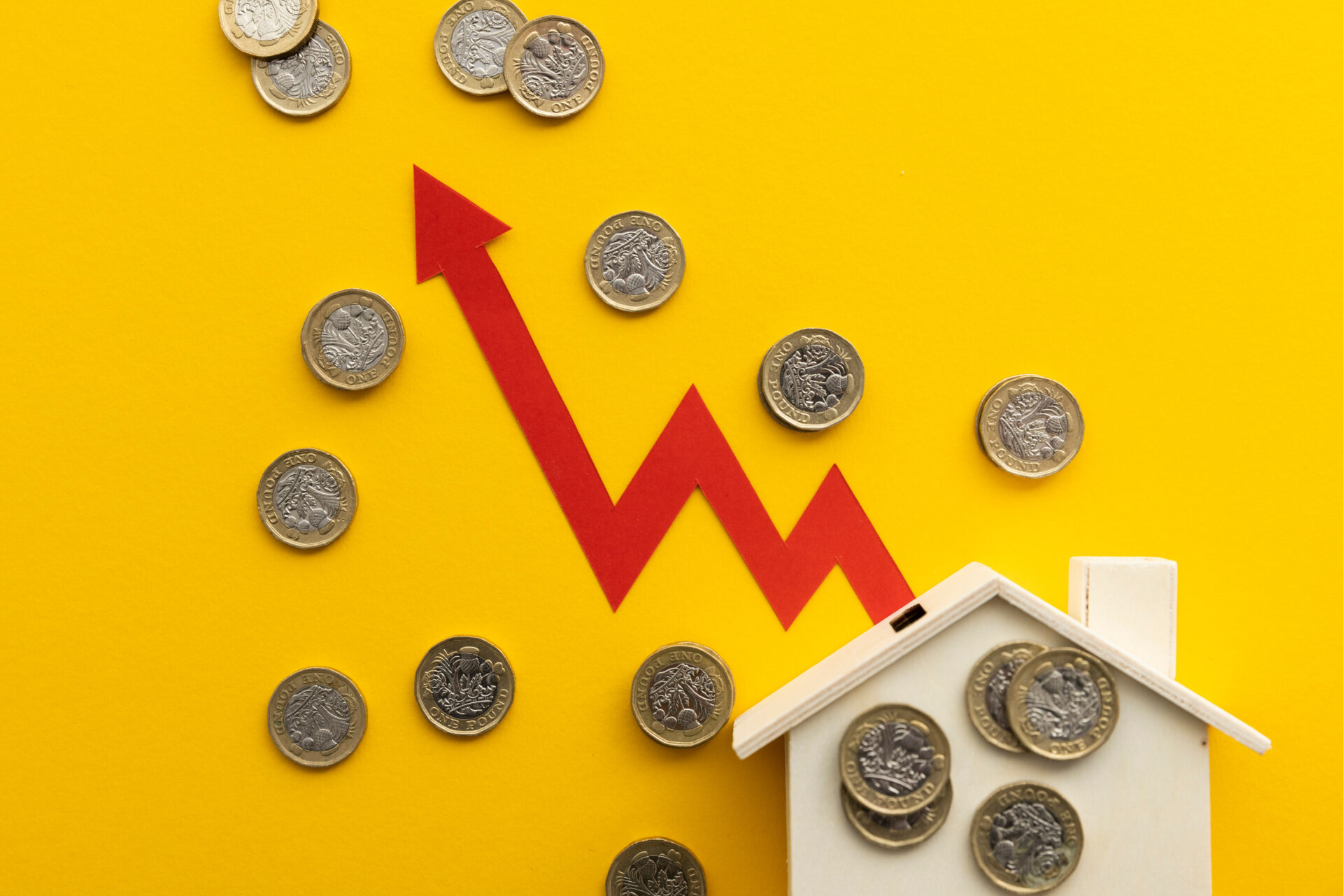

Following the Autumn Statement, there is growing concern about rising swap rates and their impact on homebuyers.
- Jonathan Samuels of Octane Capital highlights potential increased borrowing costs due to higher swap rates.
- A 2% Stamp Duty Land Tax hike on second homes and no relief extensions were announced, affecting buyers.
- The bond market’s negative response to the Autumn Statement has pushed swap rates higher than pre-Budget levels.
- Potential implications for landlords and the private rental market are creating a sense of unease.
In the wake of the Autumn Statement, concerns have been raised about the potential impact of rising swap rates on the mortgage market. Jonathan Samuels, the CEO of Octane Capital, points out that higher borrowing costs are likely as swap rates rise. The statement highlighted a 2% increase in Stamp Duty Land Tax (SDLT) for second home buyers and landlords, with no extensions granted to current relief thresholds, which are due to expire next March.
Octane Capital’s analysis indicates a signal for potentially higher purchasing costs before March 2025, as swap rates edge upwards. Samuels remarked, “The Autumn Statement wasn’t well received by the bonds markets and gilt yields shot up almost immediately, with bond investors understandably concerned about the amount of borrowing announced given that it was more than expected.”
As per Octane Capital, a modest rise was observed in average swap rates – the 1-year swap rate increased by 0.03% to 4.543%, while the 5-year rate rose by 0.05% to 4.277% right after the budget. Although these figures showed slight easing by the first of November, they remained above the levels seen before the Budget announcement. By the fourth of November, the 1-year rate had reached 4.551%, with the 5-year rate at 4.287%.
Samuels further commented on the situation by saying, “The mortgage market had been heading very much in the right direction following a very tough period and so the hope is that this initial increase in swap rates is an overreaction rather than the first of a series of bond hikes like that seen following the Truss Mini Budget.”
The pressing issue concerning the rise in swap rates is compounded by increased SDLT charges on second homes which, as noted by Samuels, could adversely affect landlords. If landlords face higher borrowing costs along with escalating mortgage rates, this double burden could negatively impact the private rental market, causing further distress.
The recent developments in swap rates and tax changes could foreshadow challenging conditions for homebuyers and landlords alike.

