
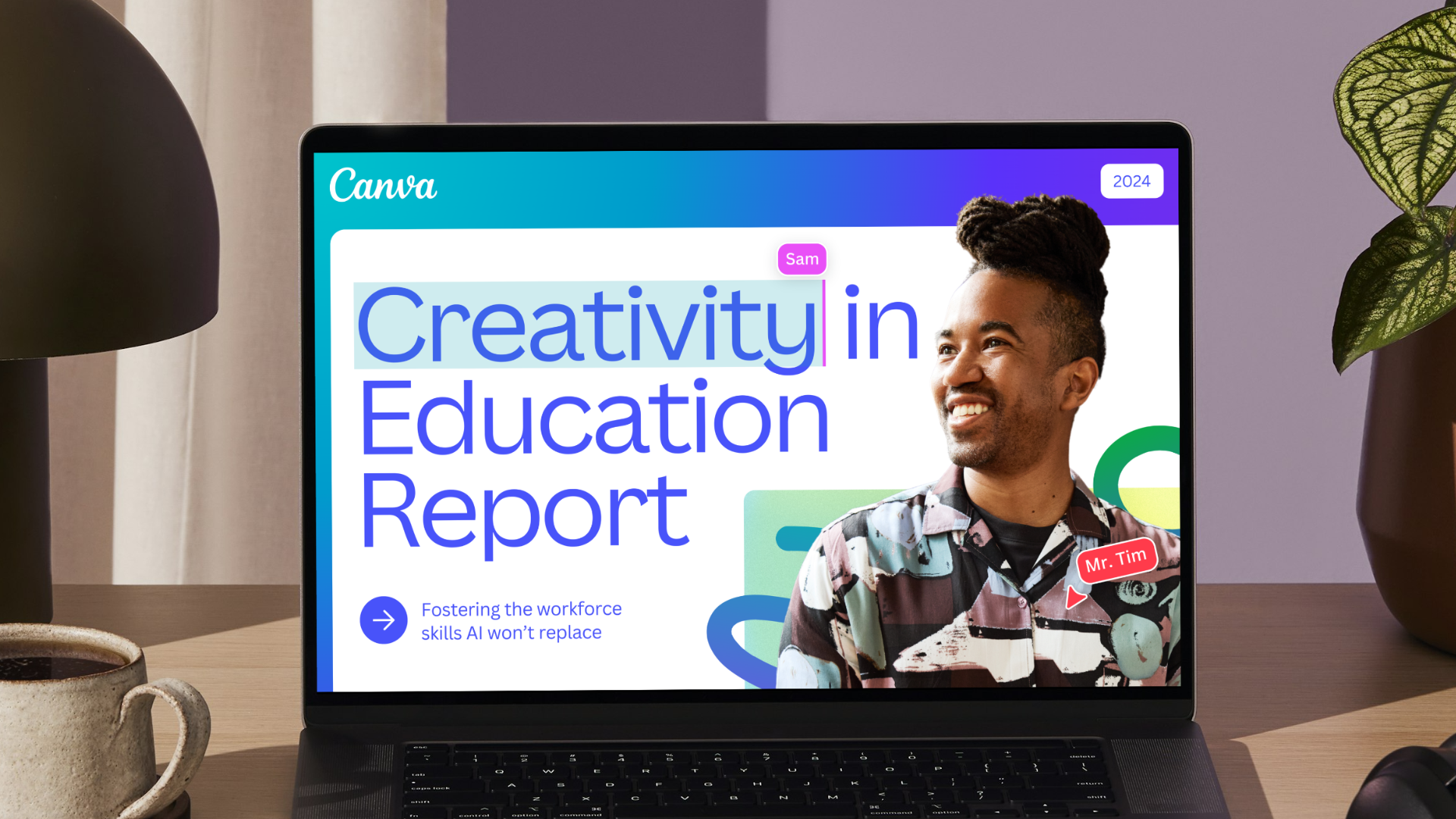

Recent findings underscore the crucial role of creativity in the modern workforce and educational systems.
- A significant skills gap exists as graduates feel prepared, yet educators and hiring managers disagree.
- Creative skills, regarded as essential by over 66% of hiring managers, rank alongside problem-solving and communication.
- Barriers such as lack of time, support, and resources challenge educators in nurturing creativity.
- As technology, notably AI, advances, the emphasis on human creativity and problem-solving grows.
The recent report sheds light on the growing importance of creativity in both educational contexts and workplace environments, emphasising that creativity is now viewed as essential as STEM subjects. Despite this recognition, there remains a notable gap in the skills that recent graduates possess versus what employers expect, indicating a misalignment in educational outcomes. This is evidenced by the fact that while a vast majority of graduates view themselves as ready for employment, a much smaller percentage of educators and hiring managers agree with this sentiment.
The disparity continues with over three-quarters of graduates recognising creativity as a key skill for job success. However, more than half expressed a desire for stronger creative skill development during their university education, highlighting a missed opportunity in their academic journey. Hiring managers also place creativity highly on their list, alongside critical skills like problem-solving and communication, reinforcing its status as a top-three sought-after attribute in new hires.
Yet, achieving a better alignment in creativity as a core skill faces several impediments. Educators are confronted with challenges, including insufficient time, lack of curriculum support, and inadequate funding and resources. These obstacles hinder the integration of creative exercises into standard teaching practices, preventing students from acquiring necessary creative capabilities.
Furthermore, as artificial intelligence continues to transform job roles and expectations, there is a prevalent belief that human creativity will become increasingly important. Many graduates and hiring managers acknowledge AI as a tool to enhance creativity rather than replace it, understanding that technology cannot replicate the innovative problem-solving inherent to human creativity. This perspective is supported by views that the rise of AI will likely promote greater engagement in creative thinking.
In light of these challenges and opportunities, new initiatives like making professional-grade creative software freely available for educational purposes aim to bridge the gap. By empowering both teachers and students to access such tools, the educational sector can better equip future professionals with the skills necessary to adapt and thrive in a rapidly changing job market.
The report highlights a pressing need for aligning educational strategies with workforce demands, advancing creativity as a core competency.

