

The Law Society Group is experiencing significant growth in both costs and staff numbers, driven by rising practising fees and examination applications. Key components of the Group’s financial details reveal an increase in income and expenditure, reflecting broader trends in the legal profession.
- In the past year, the Group’s income reached £174m, a substantial increase attributed to practising fees and qualifying exam applications.
- Practising fees have seen an upward trend, with significant portions allocated to the Solicitors Regulation Authority (SRA) and the Law Society.
- The Group’s employment costs increased by 9%, with staffing numbers rising by 6.5%, demonstrating organisational growth.
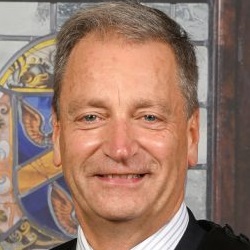
- Richard Atkinson has been appointed as the 180th president of the Law Society, focusing on access to justice amidst legal aid challenges.
The Law Society Group, primarily consisting of the Law Society and the Solicitors Regulation Authority (SRA), reported a marked increase in both size and expenditure, as indicated by their latest accounts. For the financial year ending 31st October 2023, the Group’s income stood at £174 million, representing a £37 million rise from the previous year. This boost was largely due to higher practising fees and a notable rise in applications for the Solicitors Qualifying Exam. The increase highlights the growing demand for legal qualifications and the accompanying financial implications for the organisation.
Practising fees contributed significantly to the Group’s revenue, accounting for £115 million over the year. Crucially, this sum was distributed among various facets; £61 million was directed to the SRA, £33 million allocated to the Law Society for sanctioned non-regulatory activities, and £21 million earmarked for mandatory levies to entities such as the Legal Services Board and Solicitors Disciplinary Tribunal. The ongoing rise in practising fees, which reached £128 million in 2023/24 and is expected to hit £132 million for the 2024/25 cycle, underscores the financial pressures and resource demands faced by legal professionals.
Employment costs for the Group rose by 9% to £68 million, with overall staff numbers increasing by 6.5% to 1,115 employees. The SRA saw a notable addition of 58 staff members, bringing their total to 766, while the Law Society introduced 12 additional roles, culminating in 389 positions. These workforce expansions reflect the Group’s strategic response to its evolving operational needs and objectives.
In leadership changes, Richard Atkinson has assumed the presidency of the Law Society, succeeding in a role that marks a significant moment ahead of the institution’s bicentenary celebrations next year. A managing partner at Tuckers Solicitors, Atkinson brings experience in criminal law to the position. He emphasised the critical role of access to justice and the ongoing threats posed by the decline in legal aid, asserting the importance of solicitors in supporting societal and economic frameworks. His leadership comes at a pivotal time as the organisation seeks to address both internal and external challenges.
The accounts, nearly a year old by the time of their publication to coincide with the annual general meeting, were approved without contention. They reveal, among other financial details, a £12.7 million influx from various income streams, notably £4 million from accreditation services. Despite a minor dip in advertising revenue and partnership incomes, the Group’s financial stability appears sustained, enabling it to continue its representative functions and advocacy within the legal community.
The Law Society Group’s expanding financial and human resource footprint reflects both growth and the broader challenges within the legal sector.

