
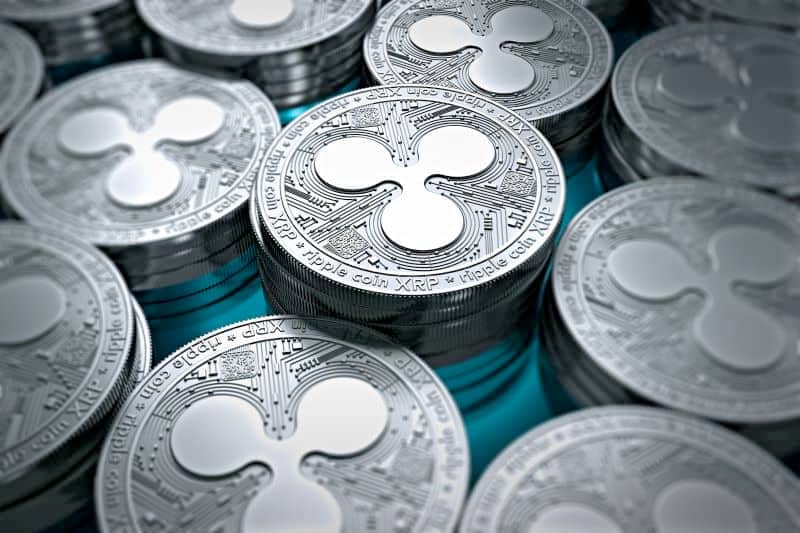

In 2024, Ripple has notably sold over 3 billion XRP tokens, marking a significant impact in the cryptocurrency arena. This action was amidst a market experiencing a rapid surge in XRP’s price, which has crossed the psychological $1 barrier. Observers are keen to understand Ripple’s strategy and its potential influence on future market trends.
The substantial movement in XRP sales has sparked extensive discussion and analysis. This activity raises questions about Ripple’s market influence and how it might shape the digital currency’s trajectory in the coming months.
XRP’s Meteoric Rise Amid Massive Sales
The 110% surge in XRP’s price over the past week has left market observers astounded, particularly given the remarkable selling pressure from Ripple. Throughout 2024, Ripple, as the largest holder, has unleashed 3 billion XRP tokens. Yet, despite this substantial release, the price of XRP has breached the significant $1.00 resistance level, leaving investors and analysts eager to understand what the future might hold for this digital currency.
Ripple’s strategy, which involves releasing a significant amount of XRP while ensuring liquidity through its On-Demand Liquidity (ODL) model, is key to this unexpected price action. By selling at market value, Ripple maintains a balance between liquidity and supply, assuaging concerns that such massive sales could lead to a depreciation of the token’s value.
This dynamic reflects a broader trend within the cryptocurrency market, where strategic sales, coupled with robust demand, can defy traditional supply constraints. As XRP continues to rise, questions about the long-term sustainability of this growth remain pivotal.
Ripple’s Strategic Reserve Utilisation
Ripple’s utilisation of its reserves has been a subject of significant interest. The company has reserved and expended over 3.046 billion XRP year-to-date, amassing a staggering $3.46 billion at prevailing market prices. Despite the scale of these sales, individual trade details remain undisclosed, adhering to a broader strategy of controlled liquidity.
Through the ODL model, Ripple ensures that each transaction corresponds with market demand, thus preventing sudden market saturation. This model not only preserves XRP’s market value but also reflects Ripple’s commitment to transparency within the cryptocurrency sector.
The company’s efforts to maintain a significant reserve while engaging in strategic sales reflect a delicate balance between fostering ecosystem growth and generating operational revenue.
The Future of Ripple’s XRP Holdings
Ripple’s sizeable holdings in XRP position it as one of the major influencers in the crypto world. Since 2012, the firm has circulated 56.93 billion XRP, but it still retains a substantial 4.43 billion in liquid assets.
Additionally, 38.90 billion XRP are locked in escrow accounts with monthly releases planned over the next 42 months. These activities, guided by Ripple’s Q3 2024 market report, ensure a steady and predictable flow of XRP into the market.
At current rates, these holdings account for $5 billion in liquid assets and $44 billion of escrowed future liquidity, creating a stable underpinning for Ripple’s ongoing market presence and influence.
Impact of Co-founder’s Political Contributions
Recent activities by Ripple’s co-founder, Chris Larsen, have added another layer of interest to the firm’s narrative. His $10 million donation in XRP to Kamala Harris’s presidential campaign has not gone unnoticed.
This contribution suggests a strategic engagement in political advocacy, aiming to influence the broader regulatory landscape for cryptocurrencies in the United States. Larsen’s statement about supporting tech innovation through political channels underscores a belief in aligning Ripple’s future with favourable public policy.
Such moves could imply a broader strategy by Ripple to not only maintain its competitive edge but also to shape the legislative framework governing digital currencies.
Understanding XRP’s Tokenomics
XRP’s foundational tokenomics remain a cornerstone of its appeal. With a fixed supply of 100 billion tokens since its inception in 2012, Ripple pre-mined all XRP, departing from the proof-of-work model of cryptocurrencies like Bitcoin.
Ripple initially controlled a significant share, leading to transparency concerns and market apprehension. In response, the company placed 55 billion XRP into escrow accounts in 2017, mitigating fears of sudden market flooding.
This move towards enhancing transparency has allowed Ripple to leverage its market strategies effectively, balancing operational needs with ecosystem health.
The fixed supply and strategic release mechanisms serve as bulwarks against inflation, stabilising XRP’s market trajectory.
Ripple’s Escrow Releases and Market Dynamics
The programmed release of XRP from escrow accounts each month serves multiple purposes. Besides securing operational funds, it also supports Ripple’s broader ecosystem ventures, aiming to create a robust and sustainable growth model.
By controlling XRP’s market entry, Ripple mitigates potential price volatility, ensuring stable and consistent market dynamics. Every monthly release of one billion XRP exemplifies a controlled growth approach, aligning with the company’s strategic objectives.
Such structured releases facilitate long-term planning and investment, positioning Ripple to navigate market unpredictability effectively.
Market Reactions and Speculations
Ripple’s strategic manoeuvres in the XRP market have led to diverse speculations and reactions among investors and analysts. While some laud Ripple’s structured sales and reserve management as forward-thinking, others remain cautious about potential market saturation.
Despite varied perspectives, the consistent uptick in XRP’s value highlights the effectiveness of Ripple’s market strategy. The connection between strategic release and market demand points towards a calculated understanding of cryptocurrency dynamics.
These speculations underscore the importance of maintaining an informed and vigilant perspective in navigating the complexities of the crypto market.
Investor Insights: What Lies Ahead for XRP?
As Ripple continues to manage its XRP assets strategically, investors are closely watching how these decisions will influence future valuations. With a structured approach towards both reserve management and market engagement, Ripple demonstrates a commitment to long-term value creation.
Moreover, the anticipation surrounding programmed releases and political engagements further intensify interest in XRP’s future. Investors are eager to understand how these elements will shape Ripple’s trajectory in the blockchain sector.
Ripple’s market positioning, coupled with its strategic foresight, suggests an intent to maintain its stronghold in the evolving crypto landscape.
Challenges Ahead in Regulatory Landscapes
The regulatory environment remains a crucial factor influencing Ripple’s future actions and XRP’s market dynamics. Chris Larsen’s contributions signal an awareness and preparedness to engage with evolving policies.
Navigating legal frameworks poses challenges that could impact Ripple’s operational strategies and market positioning. As regulations continue to evolve, Ripple’s proactive engagement suggests a readiness to adapt and influence policy directions.
In an industry marked by rapid change, Ripple’s strategic alignment with regulatory trends could either bolster its market standing or necessitate adjustments to its business model.
This complex interplay between regulation and cryptocurrency activities requires continuous vigilance and strategic flexibility from Ripple.
Ripple’s strategic management of its XRP sales in 2024 suggests a calculated approach to market engagement. The confluence of reserve utilisation, political contributions, and regulatory readiness indicates a forward-thinking trajectory, potentially influencing the broader crypto landscape.

