
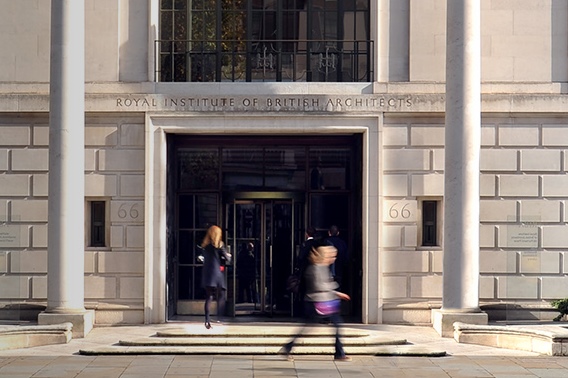

The Royal Institute of British Architects (RIBA) stresses the importance of fair compensation and conditions for architectural staff.
- RIBA’s new practice note highlights the need for firms to meet real living wage standards.
- There’s a focus on apprentices and junior staff, who often face pay shortfalls.
- Unpaid overtime is warned against as it can lower effective wages below legal requirements.
- RIBA President Muyiwa Oki emphasizes cultural change needed within the profession.
The Royal Institute of British Architects (RIBA) has taken a firm stance against unfair compensation and working conditions within the architectural profession. Their newly issued practice note, titled Workplace Wellbeing, sets out guidelines to ensure all employees are remunerated fairly, urging firms to pay at least the real living wage, with specific figures updated to £12.60 an hour nationwide and £13.85 in London, effective by May 2025.
In addition to this, the note particularly addresses the vulnerability of apprentices and architectural assistants, who are often at risk of receiving less than the stipulated real living wage. Regional analysis indicates significant shortfalls in wages, especially for Part 1 architectural assistants in London and apprentices in the southwest and Wessex areas.
The guidance strongly advises against the practice of unpaid overtime, a common yet detrimental issue in the field. It specifies that overtime must be fairly compensated through mechanisms such as time off in lieu (TOIL) or flexible working arrangements to prevent hourly wages from falling below the real living wage, thereby breaching RIBA’s chartered practice obligations.
RIBA President, Muyiwa Oki, has voiced concerns about the traditional work culture in architecture, which often involves extensive unpaid overtime. He states that architects’ salaries do not always reflect the amount of work or the value they bring. Oki stresses the need for a ‘cultural shift’ to embrace flexible working and ensure the profession is inclusive and diverse, thereby attracting and retaining a broad spectrum of talent.
RIBA’s initiative serves as a crucial reminder to all chartered practices of their obligation to adhere to fair treatment standards. By embedding these principles into their operational frameworks, firms can foster a more equitable and supportive environment, strengthening the profession’s overall health and appeal.
RIBA’s directive underscores the necessity for equitable pay and conditions to ensure a sustainable and inclusive architectural profession.

