
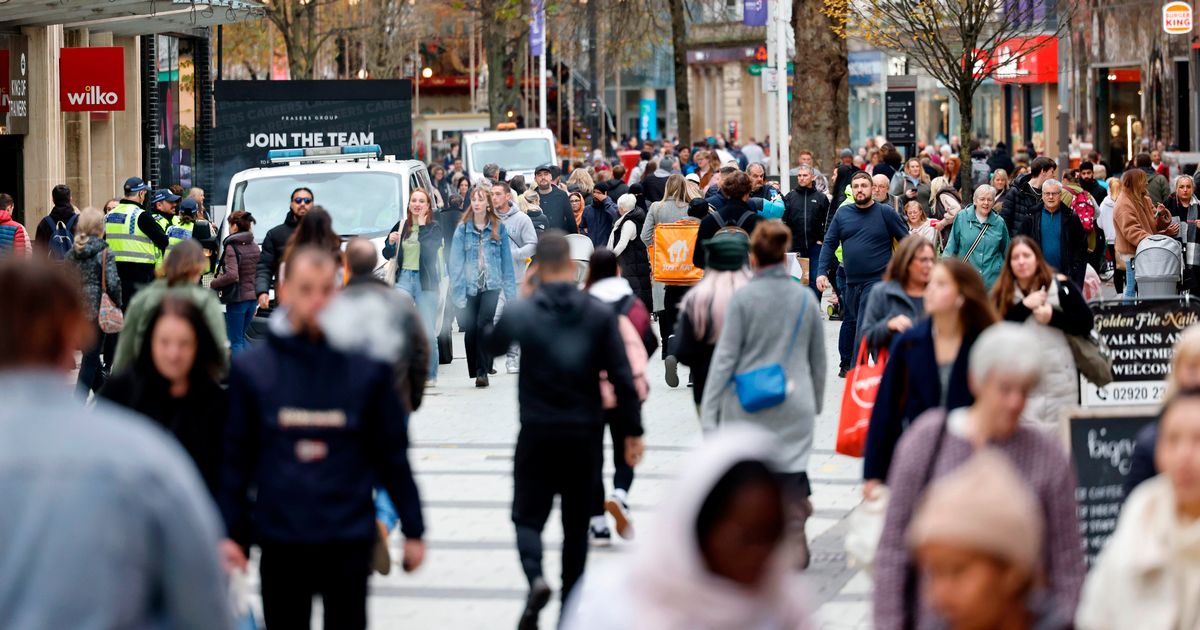

The final quarter, known as the ‘golden quarter’, is critical for retailers’ annual success.
- Consumer demand during this period may offset the year’s earlier retail downturn.
- Key events like Black Friday, Cyber Monday, and Christmas are seen as crucial sales opportunities.
- Various factors, including moderating inflation and accumulated savings, indicate a potentially strong retail season.
- Some economic challenges remain, such as potential tax increases affecting consumer confidence.
The final three months of the year, often dubbed the ‘golden quarter’, are pivotal for retailers, as they typically generate the bulk of annual revenues. This period is loaded with high-potential shopping events such as Black Friday, Cyber Monday, and Christmas. Despite a downturn in retail spending earlier this year and significant reliance on discounts eroding profit margins, the upcoming quarter is deemed promising by industry experts.
Several experts, including Miya Knights, emphasize the potential for an uplift in sales. Knights highlighted that factors like increased spending power and pent-up demand could support retail performance. A survey among industry insiders also suggested that moderating inflation, higher wages, and consumers’ solid savings might contribute positively to a vibrant holiday trading period.
Nick Bubb of Bubb Retail Consultancy noted that a replacement cycle on technology products, initially purchased for remote work during the pandemic, could spark renewed consumer spending. He identified lower interest rates and potential AI-related product launches as additional stimuli for fourth-quarter sales.
Jonathan De Mello, founder and CEO of JDM Retail, illustrated consumer willingness to spend on high-demand items such as concert tickets and electronics, despite broader economic challenges. This suggests that when consumer desire is strong, spending follows, defying selling downturn predictabilities.
However, potential obstacles loom on the horizon. Any tax increases from the Autumn budget might dampen consumer confidence, complicating the retail outlook. The Labour Party’s narrative on fiscal deficits has already affected public sentiment. Linda Ellett from KMPG noted the importance of avoiding further shocks to consumer confidence, especially critical for steady spenders such as working families.
Retailers are on edge, recognising the stakes are high this season. Although an overall recovery seems plausible, it hinges on consumer confidence remaining steady throughout the quarter. A misstep, particularly with economic conditions, could easily unsettle the tentative recovery observed.
Retailers remain cautiously optimistic about a strong end-of-year performance, despite economic uncertainties.

