
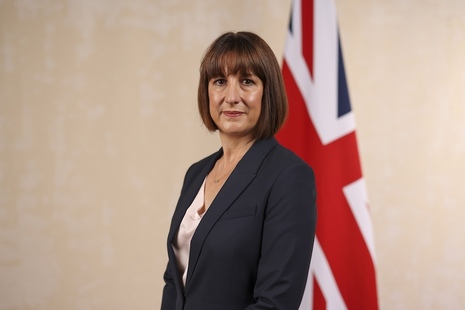

The retail sector is pressing Chancellor Rachel Reeves to deliver on her promise of reducing the burden imposed by business rates. This comes amidst revelations of a significant tax hike set to impact small businesses.
As current relief measures are poised to end, there’s growing concern among industry leaders regarding the potential repercussions for retail, leisure, and hospitality sectors, crucial to the UK’s economic fabric.
Background of the Business Rates Issue
Retailers are increasingly urging Chancellor Rachel Reeves to honour her commitment to alleviate the financial burdens tied to business rates. New analysis illustrates a looming £2.7 billion tax hike set to predominantly affect smaller retail, leisure, and hospitality businesses. The change, effective from April next year, will impact over 252,000 venues such as shops, cafes, and restaurants as a 75% relief scheme is poised to end, capped at £110,000.
The exhaustive research conducted by real-estate firm Altus Group reveals that multiple sectors will bear a collective £545 million increase in taxes. Of this, approximately £250 million will be charged to the retail, hospitality, and leisure industries, igniting concerns about the economic sustainability of these vital sectors.
Calls for Government Intervention
Andrew Goodacre, CEO of the Bira trade body, emphasised the Chancellor’s capability to extend the retail, hospitality, and leisure relief, addressing the urgency to rejuvenate high streets. He advocates for this pivotal support, deeming it crucial for the growth and revitalisation of the retail landscape.
Altus Group’s President of Property Tax, Alex Probyn, further commented on the financial intricacies, urging the Chancellor to avert a potential financial downfall for these industries. Probyn acknowledged the existing £22 billion shortfall in the public finances, yet insisted on the importance of safeguarding these sectors while adhering to Labour’s manifesto.
The Industry’s Reaction
The proposal has prompted a coalition of 70 retail executives from leading companies like M&S, Primark, and Tesco to address an open letter to Reeves. The letter underscores the necessity of reforming the current business rates regime ahead of the imminent Autumn Statement slated for later this month.
The British Retail Consortium orchestrated this open letter, which advocates for a fairer system through a ‘Retail Rates Corrector’. This proposed scheme seeks a 20% reduction in business rates paid on retail properties, aiming to correct the long-standing imbalance where the retail sector contributes significantly to business taxes, accounting for 7.4% or £33 billion of the overall tax bill.
Notably, the British Retail Consortium highlighted that one fifth of the £33 billion comprises business rates, placing immense fiscal pressure on these enterprises. Such stark figures lay bare the urgent need for adjustments to ensure the sector’s vitality and competitive edge.
Potential Impact on Small Businesses
The impending termination of the relief scheme places smaller enterprises within the retail, leisure, and hospitality sectors at considerable risk. These businesses, often operating on slim margins, face potential threats to their viability if subjected to the proposed tax increases.
For smaller businesses, the conclusion of relief could exacerbate existing financial challenges, potentially resulting in closures and job losses. Consistent tax hikes, without corresponding relief measures, may also deter new market entrants, stifling innovation and economic growth within the industry.
Economic Implications
Economists express concern over the wider economic implications of the proposed tax changes. They warn that increased financial burdens on retail and hospitality sectors could trigger ripple effects across supply chains and local economies, resulting in reduced consumer spending and investment.
Such developments could hinder recovery efforts post-pandemic, potentially leading to a longer-term economic downturn and reduced competitiveness on a global scale. Stakeholders insist that the government must consider these wider macroeconomic factors when deliberating future fiscal policies.
Government’s Stance
The government maintains that while fiscal challenges remain, deliberations around business rates reform are ongoing. Rachel Reeves has yet to publicly detail specific measures, but the administration reiterates its commitment to ensuring economic stability while supporting key sectors.
Despite these assurances, industry leaders express apprehension, urging greater transparency and decisive action to mitigate risks and support business continuity. The call for clearer policies reflects the business community’s desire for stability amid fiscal uncertainties.
Outlook for Future Developments
The forthcoming Autumn Statement is eagerly anticipated as stakeholders await potential announcements regarding business rates reform. Whether the government will heed the retail sector’s pleas remains uncertain, yet this period is crucial for determining the trajectory of future fiscal policies and their broader economic impact.
As the deadline for potential tax changes looms, the retail sector continues to push for decisive government intervention. Ensuring sustainable growth and competitiveness remains a priority.
The anticipation surrounding the Autumn Statement highlights the sector’s reliance on governmental responsiveness to safeguard its future.

