
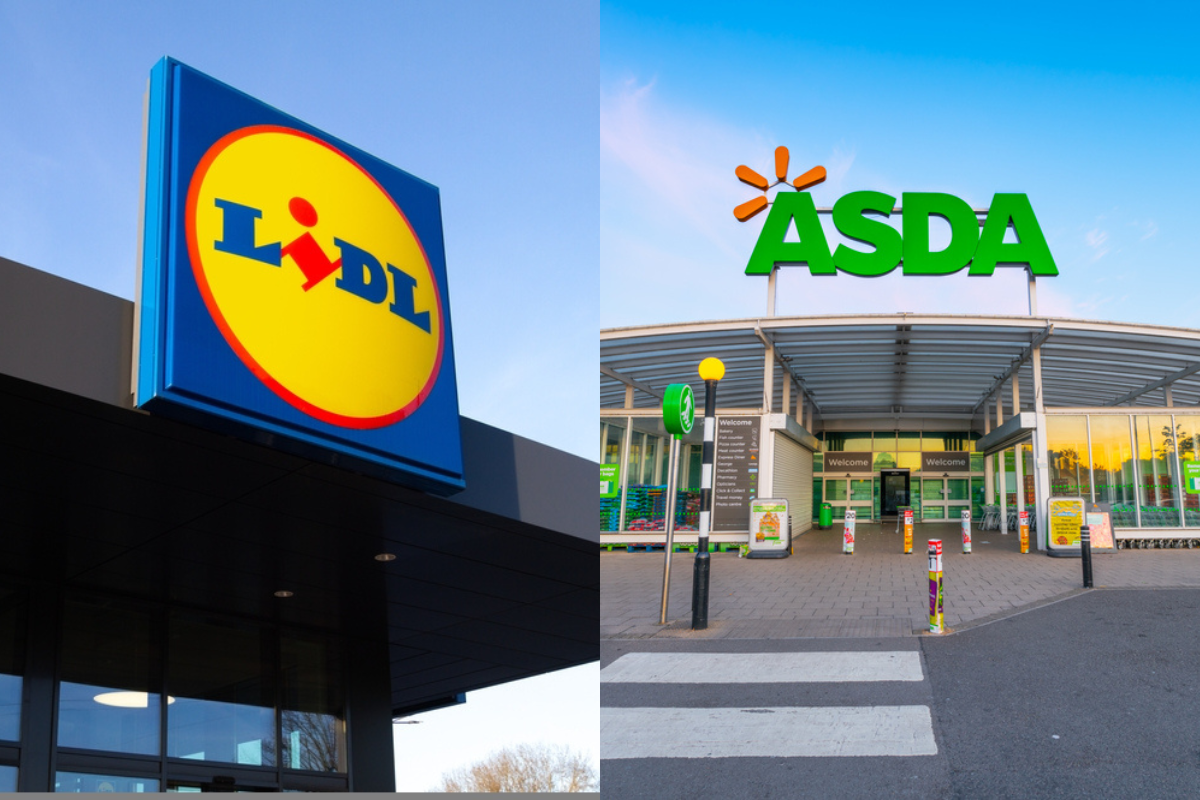

The recent data reveals notable shifts in the grocery market dynamics.
Lidl has shown remarkable growth, while Asda grapples with declining performance.
The grocery retail landscape is experiencing significant shifts. Asda, traditionally a dominant player, has witnessed a concerning decline in its market share. According to the latest Kantar data, Asda’s sales fell by 5.6% in the 12 weeks leading up to September, resulting in a substantial drop in its market share to 12.6%. This marks a pivotal moment in the competitive supermarket industry.
In stark contrast to Asda’s performance, Lidl’s sales surged by 9.1%, underpinned by an innovative use of digital vouchers for bakery goods. This strategy has effectively boosted Lidl’s market share to 8% within the same period. The use of digital vouchers indicates Lidl’s strategic adaptation to consumer preferences, highlighting its agility in a competitive market.
Ocado remains a standout performer as the fastest-growing grocer, a title it has retained for seven consecutive months. During the recent quarter, sales increased by 12.9%, elevating its market share to 1.8%. This growth is attributed to Ocado’s unique business model and its strong emphasis on technological innovation and logistical efficiency.
While grocery price inflation has decreased to 1.7% over the last month, consumers continue to express significant concerns about rising grocery and energy prices. Fraser McKevitt, Kantar’s Head of Retail and Consumer Insight, pointed out that nearly 60% of consumers remain worried about financial pressures. Despite inflation easing slightly, the cost of living crisis persists, prompting retailers to increase promotional activities.
Retailers have responded to these economic pressures by ramping up promotional deals, which now feature in over half of all grocery shopping trips. This shift towards promotions reflects an industry-wide strategy to sustain consumer engagement amid financial uncertainties. Notably, the use of promotions has grown steadily over the past 16 months as retailers attempt to alleviate the impact of high living costs.
As the retail sector anticipates the Chancellor’s Autumn Budget, businesses are gearing up for potential economic shifts. There is a palpable anticipation of how governmental fiscal policies might influence consumer spending patterns and overall economic stability. This heightened state of preparedness underscores the interconnectedness of fiscal policies and consumer market dynamics.
The evolving dynamics in the retail sector highlight the adaptability and resilience of various players. Asda faces challenges, but with strategic recalibration, recovery remains plausible. Meanwhile, the impressive performances of Lidl and Ocado demonstrate the effectiveness of innovation-led strategies. The path forward for retailers will likely hinge on their ability to balance promotional strategies with consumer demand.
The retail landscape is changing, driven by strategic innovation and consumer responses.
Retailers must adapt to thrive, evident from Lidl and Ocado’s successes.

