
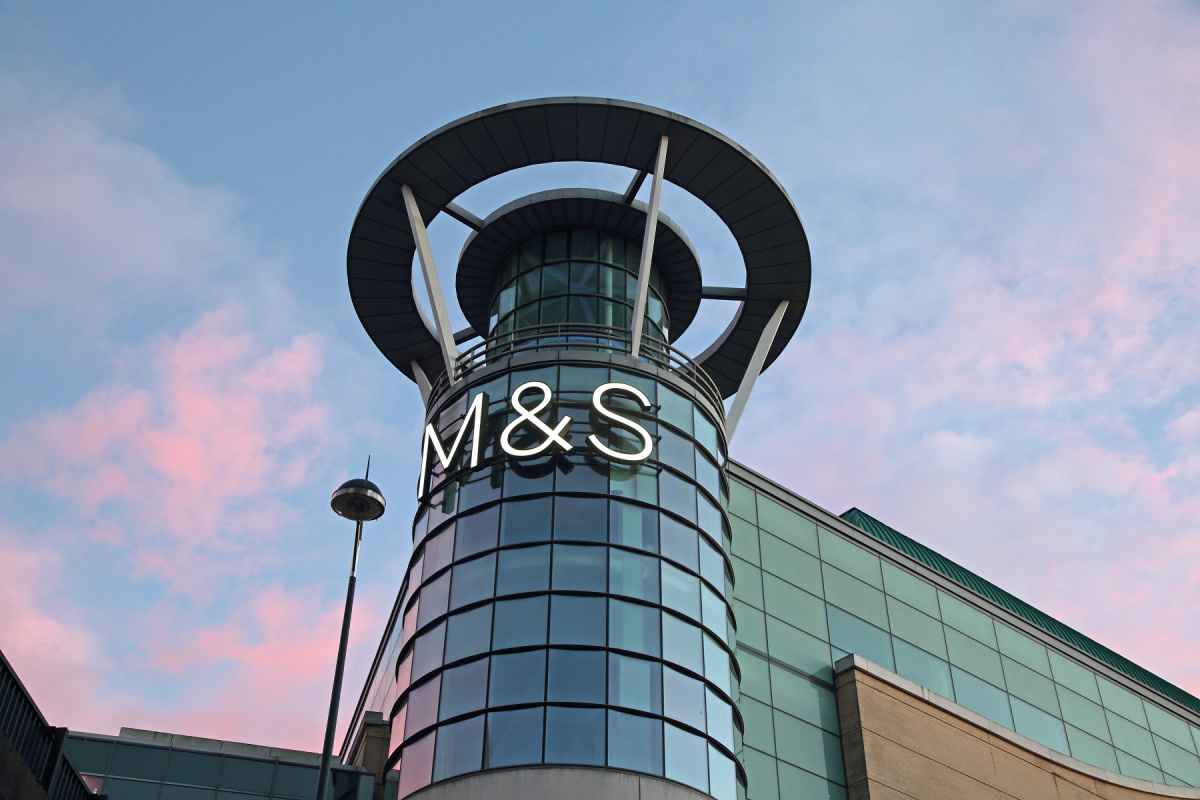

Over 70 top retail leaders have urged the government to reform business rates.
- An open letter challenges the imbalance in the current rate system.
- Executives from major retailers call for a 20% rate reduction on retail properties.
- Helen Dickinson highlights the unsustainable nature of current tax revenues.
- Chancellor Reeves is urged to utilise the Autumn Budget for these changes.
A coalition of over 70 leading executives from notable retail chains, including M&S, Primark, Ikea, and Tesco, has approached the government with a pressing demand to overhaul the existing business rates. In a bid coordinated by the British Retail Consortium (BRC), they addressed an open letter to Chancellor Rachel Reeves, advocating for critical reforms in preparation for the upcoming Autumn Statement.
The letter articulates the need to correct what is perceived as an unfair burden on the retail industry, which currently shoulders 7.4% of all business taxes amounting to approximately £33 billion. Specifically, the retail sector is encumbered by business rates constituting one-fifth of this tax load. The proposal calls for a ‘Retail Rates Corrector’, entailing a 20% reduction in rates for retail properties across various locations.
Signatories of the open letter include influential figures such as M&S’s Stuart Machin and Tesco UK CEO Matthew Barnes, along with Morrisons boss Rami Baitiéh and Kingfisher CEO Thierry Garnier. They collectively emphasise the opportunity presented by the Autumn Budget to implement a ‘Retail Rates Corrector’, a 20% decrease on the rates bills for retail properties of diverse sizes and locations, thus levelling the playing field amid different industries.
BRC CEO Helen Dickinson further expounds on the issue, asserting that the retail sector, likened to a ‘golden goose’, consistently contributes significantly higher tax revenues relative to its size. However, she cautions that this situation cannot persist indefinitely. Dickinson argues that a systemic reformation is crucial, ensuring equitable tax responsibilities across industries, which, in turn, would enhance investment in the retail sector and its community impact.
The push for reform is positioned not merely as a matter of fiscal adjustment but as a catalyst for broader economic benefits. The alignment of tax liabilities would encourage greater investment in the retail industry, fostering growth that would benefit employees, localities, and the wider economy. This moment, coinciding with the Autumn Budget, is seen as an opportune juncture to solidify the foundations for such a transformational change.
The collective call from retail leaders underscores an urgent necessity for governmental action to address business rate disparities, fostering long-term economic benefits.

