
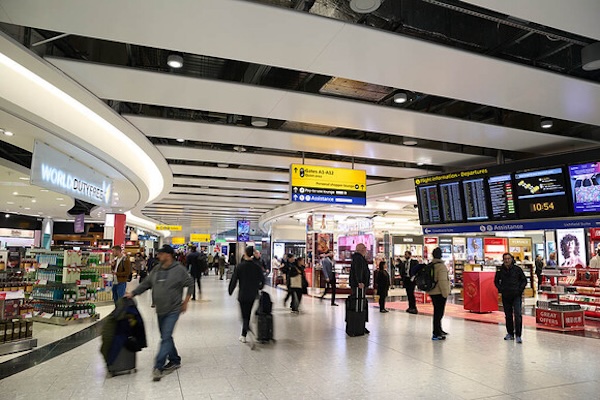

A recent disruption occurred at Heathrow Terminal 5 due to a baggage system fault, now resolved by British Airways. Affected passengers were temporarily unable to travel with their luggage.
In response, British Airways quickly deployed additional staff to manage the situation, aiming to return passengers’ luggage promptly and ensure continued service efficiency.
The Incident Details
A recent fault in the baggage system at Heathrow Terminal 5 has been acknowledged as resolved, as confirmed by British Airways. The disruption, attributed to a third-party supplier fault, had inconvenienced numerous passengers, undermining the operational efficiency expected at one of the world’s busiest airports.
In response to the issue, British Airways deployed additional staff to expedite the recovery process, ensuring that passengers could be reunited with their luggage as swiftly as possible. According to a British Airways spokesperson, the technical fault was beyond the airline’s control, necessitating immediate remedial measures.
British Airways’ Response
The airline quickly addressed the situation by increasing its workforce on the ground at Heathrow Terminal 5, aiming to deliver a prompt resolution to the affected passengers. This response underscores British Airways’ commitment to customer service, despite the systemic fault being outside their direct control.
British Airways acknowledged the inconvenience caused to passengers who could not travel with their luggage. The organisation issued a formal apology, highlighting the unexpected nature of the disruption and their concentrated efforts to mitigate its impact.
Airport Management Involvement
A spokesperson from Heathrow Airport indicated that their teams were actively supporting British Airways in addressing the baggage mishap. Their involvement was crucial in managing the logistical challenges presented by the fault.
Similar incidents have occurred in the past, including a recent power failure at Manchester airport, drawing attention to the vulnerabilities in airport operations. However, this incident was limited to British Airways, with no other airlines affected, minimising wider air travel disruption.
Passengers were advised to keep in touch with British Airways for updates before proceeding to the airport to avoid any unnecessary inconvenience. This pre-emptive communication aimed to alleviate further disruptions during travel.
Implications for Passengers
The baggage system fault had a direct impact on passengers travelling through Terminal 5, who faced the inconvenience of travelling without their checked luggage. This situation highlights potential areas for improvement in contingency planning for such operational disruptions.
While the situation has been stabilised, concerns about the robustness of the current infrastructure and its ability to handle such eventualities with minimal impact on passengers remain. The incident underscores the importance of having robust backup systems in place to manage technical failures effectively.
This event also serves as a reminder for passengers to ensure they are well-informed about their airline’s procedures for handling unexpected disruptions, enhancing their travel preparedness.
Comparative Analysis with Other Incidents
This incident at Heathrow comes in the wake of another significant disruption—a power failure at Manchester airport that left flights without loaded baggage, highlighting a worrying trend in operational resilience at major UK airports.
Examining these issues collectively presents a case for increased investment in infrastructure resilience, ensuring that airports can maintain operational continuity even during unforeseen disruptions. Industry stakeholders may need to evaluate the reliability of third-party suppliers to prevent similar issues in the future.
The challenges faced by British Airways due to the technical failure at Terminal 5 shed light on the broader need for systemic improvements and more stringent oversight of critical airport operations.
Future Mitigation Strategies
To prevent recurrence, British Airways and Heathrow management must consider integrating advanced diagnostic tools to detect and rectify faults preemptively. These strategies could significantly reduce the likelihood of operational disruptions.
Additionally, reviewing agreements with third-party suppliers is essential, ensuring they adhere to rigorous standards and possess the capacity to respond effectively to potential faults. This approach would strengthen the overall resilience of airport operations.
Clear communication strategies will play a crucial role in managing passenger expectations during such incidents, with timely updates helping to maintain trust and reduce uncertainty among travellers.
Conclusion
As airports and airlines navigate complex operational landscapes, the recent incident at Heathrow reinforces the necessity of robust systems and responsive management to address unexpected faults. Ensuring minimal disruption in such scenarios is paramount to maintaining passenger trust and operational continuity.
Effective management of unexpected systems faults is critical to maintaining traveller confidence at major airports. The incident underscores the importance of robust contingency measures.
By addressing these faults swiftly, Heathrow and British Airways demonstrate their dedication to minimising disruption and enhancing passenger experience.

