
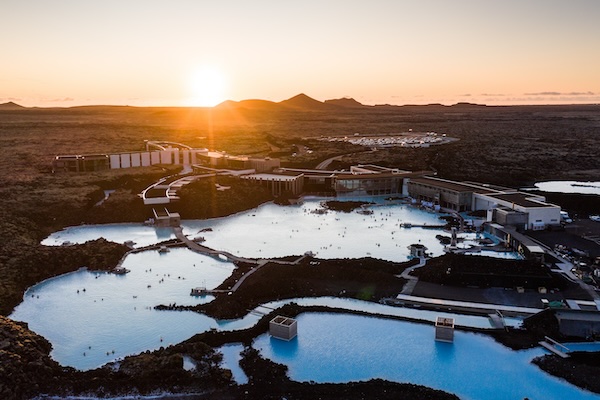

The Blue Lagoon complex in Iceland has fully reopened its hotels after closures due to seismic concerns.
- The reopening follows collaboration with government authorities ensuring safety amidst ongoing seismic monitoring.
- Hotels in the Blue Lagoon complex were closed since November 9, 2023, raising concerns among potential visitors.
- Protective measures, including new barriers, have been developed alongside the reopening of other facilities.
- Blue Lagoon’s decision showcases commitment to safety while bolstering Iceland’s tourism recovery post-pandemic.
The Blue Lagoon complex in Iceland has announced the full reopening of its hotels, including the Silica Hotel and the Retreat Hotel, marking a significant milestone since their closure on November 9, 2023. These closures initially stemmed from safety concerns related to potential seismic activity and the risk of volcanic eruptions in the area.
The decision to reopen was reached after detailed consultations with Icelandic government and local authorities. Helga Árnadóttir, the chief operator of sales, operations, and services at Blue Lagoon Iceland expressed enthusiasm and gratitude, saying, “After three wonderful days of welcoming back our staff and day guests at the Blue Lagoon, we’re also thrilled to be able to reopen our hotels.”
The reopening is part of a broader plan that included the earlier relaunch of key areas such as the Blue Lagoon itself, the Blue Café, and dining establishments like the Lava Restaurant and Spa Restaurant. These facilities have started to welcome visitors from January 6, operating with slightly reduced hours to ensure safety and efficient management.
Notably, the initiative to resume operations has involved the construction of specialised protective barriers. These barriers are intended to safeguard the area and its visitors from the risks linked with ongoing seismic activities. The authorities and experts continue to closely monitor the seismic developments to ensure situational awareness and preparedness.
This resurgence in activity at the Blue Lagoon complex not only symbolises a return to normalcy but also reflects a proactive approach to managing natural risks. By choosing to reopen and implement precautionary measures, the Blue Lagoon complex is poised to reinforce its status as a premier tourist destination, supporting Iceland’s broader post-pandemic tourism revival.
The Blue Lagoon’s reopening exemplifies a robust collaboration for safety and tourism between authorities and the facility.

