
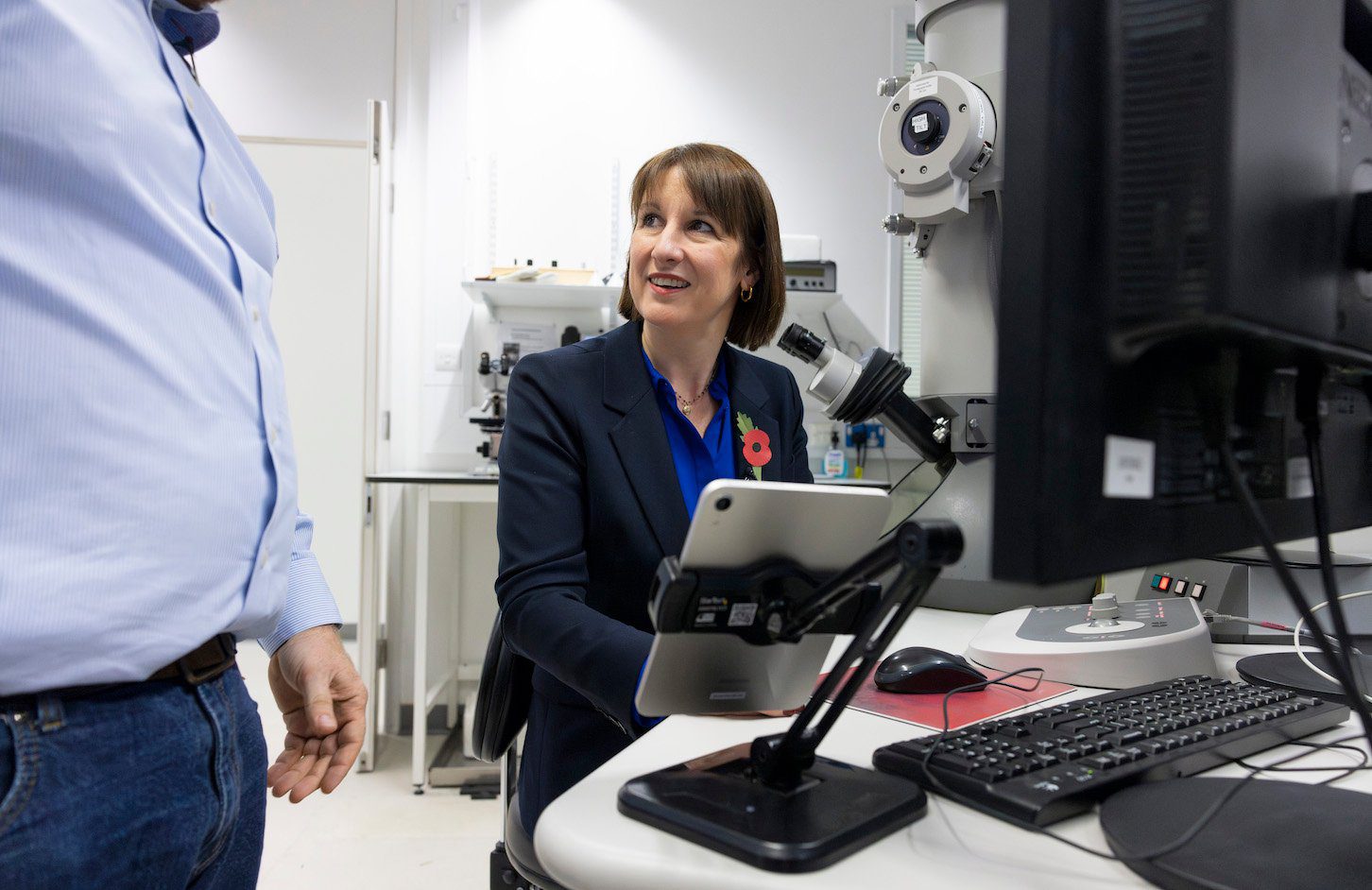

A significant £500m investment by a US property firm is set to expand the Cambridge Biomedical Campus, following governmental emphasis on foreign investment.
- The investment, spearheaded by Prologis, is anticipated to create over 2,120 skilled jobs, underscoring the importance of life sciences in the UK.
- Chancellor Rachel Reeves has labelled this investment as a strong endorsement of the UK economic strategy.
- The Autumn budget highlighted a government commitment to attract private investments, with additional funding for the life sciences sector.
- Key government figures have expressed alignment with business, aiming to advance the UK’s position in science and technology.
In a recent announcement, a major US property developer, Prologis, has committed £500 million towards expanding the Cambridge Biomedical Campus. This move aligns with the UK government’s strategy to draw private investment into burgeoning sectors such as life sciences, which are pivotal to the nation’s economic growth agenda.
The substantial investment will fund a 115,000 square foot expansion at the Cambridge site, adding new laboratory facilities. This development is poised to generate over 2,120 high-skilled positions, thereby bolstering the local economy significantly. Presently, the Cambridge Biomedical Campus contributes approximately £4.2 billion annually to the UK’s economic output.
Chancellor Rachel Reeves has highlighted this investment as a decisive indication of confidence in the UK’s economic plans. In a speech accompanying the Autumn budget, she asserted the nation’s readiness to invite and leverage private sector investments as part of a broader economic revitalisation strategy. Her statement, “It’s clear Britain is back in business,” reflects an optimistic outlook for future growth driven by strategic fiscal policies.
Additionally, the recent budget announced a substantial £520 million in new funding aimed specifically at the life sciences through a dedicated manufacturing fund. This move is expected to further enhance the sector’s capacity to innovate and deliver cutting-edge treatments, amplifying the UK’s role as a leader in scientific advancement.
Paul Weston, Regional Head at Prologis UK, underscored the necessity of sustained private and public sector collaborations to realise these investment goals. He expressed that the company’s commitment aligns tightly with governmental objectives to enhance foreign direct investment and infrastructure essential for sustainable development.
Tech Secretary Peter Kyle remarked on the centrality of the life sciences domain to the UK’s broader aspirations. Highlighting the synergy between government and business, he noted that increased R&D funding cements this collaborative effort aimed at improving health outcomes and driving economic progress.
This significant investment marks an encouraging step towards aligning private sector growth with national economic objectives, showcasing confidence in the UK’s strategic vision.

