
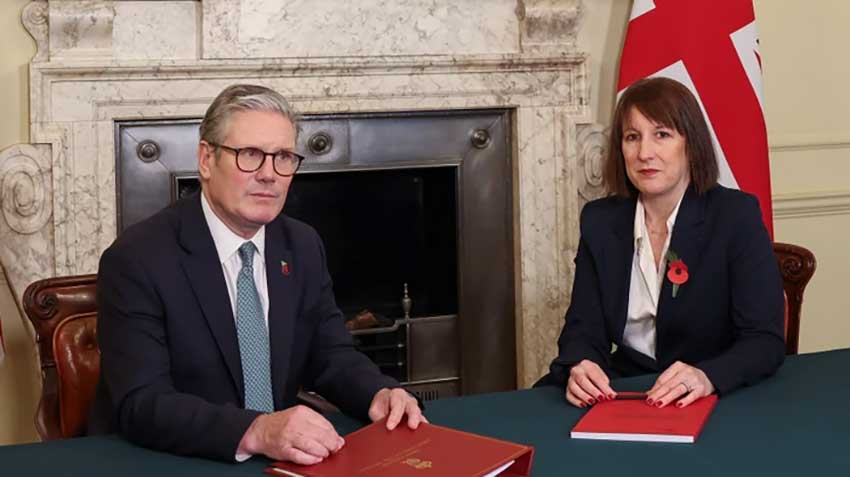

Chancellor Rachel Reeves has addressed the growing economic challenges posed by potential tariffs from the Trump administration, assuring stakeholders of Britain’s proactive stance.
Amid concerns, she reiterates the UK’s dedication to maintaining a robust trade relationship with the US, valued at £311bn annually. Reeves remains committed to advocating for free and open trade, ensuring that mutual prosperity is prioritised.
Chancellor’s Perspective on Trade Relations
Chancellor Rachel Reeves has taken a definitive stance on maintaining free and open trade between the UK and the US. After Mr Trump’s re-election, there has been tension regarding potential tariffs, particularly as Trump aims to reduce America’s trade deficit with China. Reeves acknowledges these concerns but remains committed to fostering a robust partnership, emphasising the importance of their £311bn economic bond.
Reeves is deliberate in her approach, recognising the inward turn of US policy. While Trump focuses on boosting domestic manufacturing, Reeves stresses the advantages of global economic integration. She argues for cooperation, pointing out that economic prosperity is a mutual benefit derived from such partnerships, highlighting areas where the UK can exert influence in the global trading arena.
Potential Tariff Implications
Trump’s proposed tariffs, ranging from 10-20% on foreign goods, signal a strategic shift in US trade policy. This move, meant to favour domestic manufacturing, could strain relations with longstanding allies like the UK.
Reeves reassures stakeholders that the UK will make strong representations against these tariffs. With an eye on history, she points to past collaborative successes that have cemented economic ties. There is a balancing act at play: maintaining harmony while advocating for Britain’s economic interests.
Reeves remains confident that open dialogues combined with strategic economic diplomacy will avert any negative impact stemming from potential tariffs. Her approach blends assurance with vigilance, ensuring that the UK is prepared to navigate any shifts in US policy efficiently.
US Domestic Policy and Its Effects
Economic sovereignty is a focal point for the Trump administration. By prioritising domestic products, the US aims to invigorate its own manufacturing sectors, potentially impacting international trade dynamics.
Reeves understands the rationale behind these strategies, often deemed realist rather than protectionist. She notes, “Caring about where things are made, who makes them, and who owns them” reflects a broader trend among global policymakers today.
The UK, with its proactive stance, seeks to influence this narrative positively. By engaging with US policymakers, the UK plans to advocate for beneficial agreements, ensuring that both nations experience economic growth without compromising collaborative traditions.
While national interests are paramount, maintaining international cooperation is essential for sustained economic health.
The Strategic Importance of UK-US Partnership
The transatlantic relationship between the UK and US is vital for economic stability and security. Their trading activities account for a significant portion of each nation’s economy, reinforcing the need for ongoing collaboration in various economic sectors.
Chancellor Reeves is adamant that despite possible political changes, the core economic ties between the two nations will remain strong. She points to shared interests in security and defense as additional incentives for maintaining robust economic interactions.
Reeves highlights that the strategic value of the UK-US partnership goes beyond financial transactions. By working together, both nations can promote global stability, ensuring prosperity aligns with their wider geopolitical objectives.
Influence on Global Trade Policies
Reeves underscores the UK’s capacity to impact the global trading framework. By promoting open trade, the UK positions itself as a leader in shaping favourable economic environments.
As the world grapples with evolving trade policies, the UK’s influence is crucial. Reeves assures that through active participation and negotiations, the UK will robustly defend its interests on the international stage.
In advocating for free trade access, the Chancellor contends that both the UK and US gain in societal wealth. Such an environment fosters innovation, economic growth, and mutual prosperity, aligning with the values of both allies.
Participation in global trade discourse is crucial to securing beneficial outcomes.
Reeves’ Strategic Assurances
Facing potential trade policy shifts, Reeves pledges strong advocacy against tariffs that could harm British exports. Her strategy revolves around maintaining dialogue with key US stakeholders to protect economic interests.
Overcoming trade barriers necessitates both diplomatic finesse and economic determination. Reeves is optimistic about the UK’s ability to solidify its stance amidst changing trade dynamics by leveraging past successes as a foundation.
Her approach signifies a careful navigation through potential challenges, ensuring that British industries remain competitive on the global stage.
Economic diplomacy and strategic dialogues are key to overcoming potential trade obstacles.
Commitment to Open Trade
Reeves’ reaffirmation of the UK’s dedication to open trade is clear. She purports that such trade is instrumental for societal wealth and advancement.
Britain’s role isn’t passive; it’s active and determined. By influencing global trading practices, the UK seeks economic growth that benefits its citizens and fosters international goodwill.
The Chancellor’s perspective remains optimistic, seeing potential tariff threats as opportunities to strengthen global engagements, reinforcing the UK’s stand on free and open trade.
Balancing Domestic and International Interests
Navigating the intricacies of both domestic needs and international trade relations demands a delicate balancing act. Reeves’ approach considers these multifaceted priorities to craft responsive strategies.
With well-calibrated responses, the Chancellor intends to protect British industries while reinforcing established international partnerships. Her focus on dialogue underscores the proactive stance the UK is taking amidst potential challenges.
Reeves’ confidence in Britain’s resilience highlights her strategic vision, combining domestic priorities with the need for robust international partnerships.
Strategic focus on both home and abroad ensures comprehensive policy-making.
Economic Leadership in a Changing World
As global trade environments transform, Reeves emphasizes the UK’s leadership role in adapting to these changes and actively guiding economic narratives.
By fostering strong international relationships and maintaining a focus on open trade, the UK navigates challenges with a view towards innovation and growth.
Reeves articulates a strategy that incorporates flexibility and assertiveness, ensuring that the UK remains a formidable actor on the world economic stage.
Rachel Reeves’ reassurance amid potential tariff threats reflects her strategic focus on maintaining and fostering vital economic partnerships. Her dedication to open dialogues and proactive strategies highlights the UK’s commitment to sustaining beneficial transatlantic trade.

