

Recently, Rachel Reeves has advocated for the Bank of England to give equal emphasis to climate change and economic growth. This initiative seeks to reinstate climate concerns within the Financial Policy Committee’s remit. Compared to previous policies, the approach marks a significant shift. Critics and supporters alike are engaging in a heated debate over this potential change. This adjustment could redefine the Bank’s operational focus.
Reintroducing Climate Change
Rachel Reeves’s latest directive seeks to bring climate change back to the forefront of the Bank of England’s responsibilities. This approach contrasts sharply with Jeremy Hunt’s 2023 policy, which had previously diminished its significance. By prioritising climate alongside economic objectives, Reeves aims to align the Bank with a broader agenda committed to a ‘clean energy superpower’. The strategy has prompted varied responses from different stakeholders.
The former Chancellor’s decision had shifted focus from environmental issues to finance and competitiveness. Reeves’s proposal signals a return to previous priorities. By doing so, she aligns with Labour’s vision for an environmentally sustainable economic framework. The emphasis on climate resilience is intended to stabilise the economy amidst environmental challenges.
Balancing Responsibilities
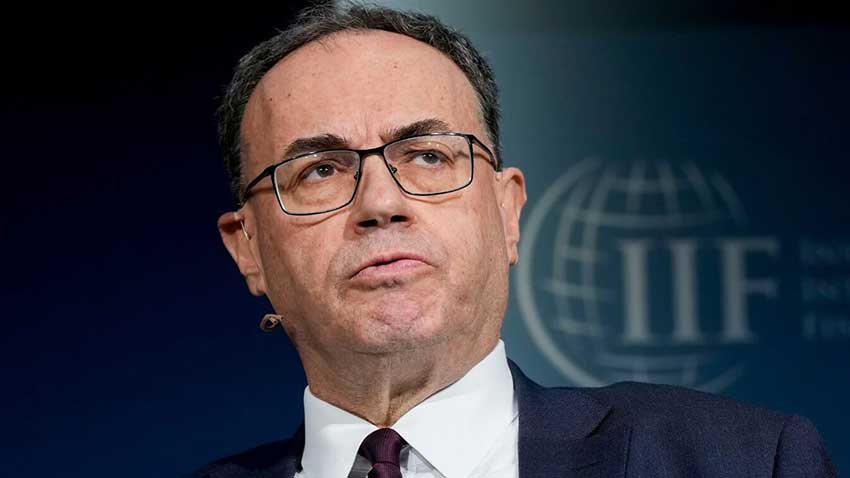
Governor Andrew Bailey recognises climate risks but warns against stretching the Bank’s mandate too thin. The Bank of England is confronted with the challenge of balancing environmental concerns with its traditional role.
The House of Lords Economic Affairs Committee had warned that overemphasis on net zero could undercut inflationary efforts. Bailey has echoed this sentiment, emphasising the importance of clearly defined borders for the Bank’s responsibilities.
The committee has raised concerns about the risks of politicising the Bank’s duties. It is crucial for the Bank to navigate these pressures while maintaining focus on its core economic roles.
Labour’s Long-term Vision
Labour insists that addressing climate risk is crucial for economic stability. Rachel Reeves argues that failing to incorporate environmental factors exposes the financial system to vulnerabilities.
By partnering with Mark Carney, a former Bank of England governor, Reeves seeks to attract private investment in climate initiatives. Carney previously prioritised climate change while in office, aligning with current policy shifts. Their collaboration intends to enhance the nation’s wealth through sustainable practices.
Carney’s role is pivotal in advising the Bank on merging financial growth with climate objectives. The approach aims to future-proof the economy while adhering to climate commitments.
Historic Policy Shifts
Under Jeremy Hunt, climate was removed from the Bank’s primary objectives. The pivot focused more on productive finance and competition.
The refocus diverted the Bank’s attention away from significant climate initiatives. These changes also reduced resources previously dedicated to environmental issues.
Hunt’s policy created a departure from the strategies of Rishi Sunak. Sunak had consistently emphasised the importance of climate challenges in economic planning.
Anticipated Challenges
Supporters argue that the long-term benefits of climate risk management could outweigh current operational challenges. The debate remains contentious.
There remains a delicate balance between integrating climate objectives and maintaining economic efficiency.
Advisory and Strategic Aims
Carney’s advisory position marks a milestone in designing resilient financial structures that are also environmentally conscious.
Institutional Reactions
There are ongoing discussions in policy circles about these developments, highlighting the urgency of adapting to climate risks.
Conclusion and Future Outlook
The evolving landscape calls for diligent strategies and adaptive measures to ensure economic stability amid changing environmental priorities.
Rachel Reeves’s call to integrate climate concerns with economic policy marks a critical moment for the Bank of England. The outcome of this shift will be closely watched as it may redefine how economic and environmental priorities coexist within national frameworks.

