
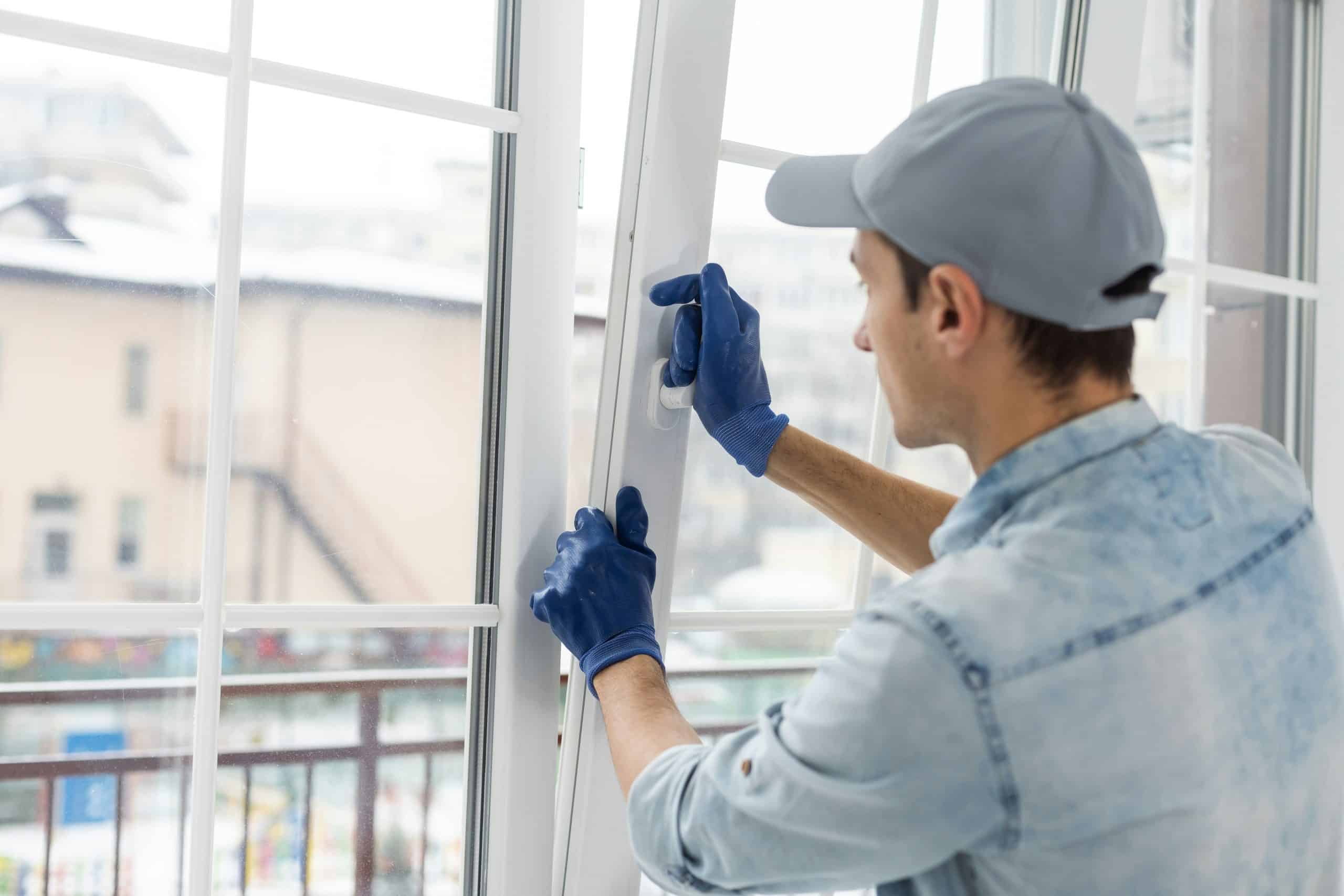

With energy costs continuing to impact household budgets across the UK, homeowners are becoming more focused on long-term ways to improve efficiency and reduce monthly outgoings. While switching tariffs or reducing usage can offer short-term relief, many are now looking at how their property itself contributes to energy loss.
One of the most overlooked areas is glazing.
Windows and doors play a major role in how well a home retains heat. Poorly performing units can allow significant amounts of warmth to escape, forcing heating systems to work harder and increasing overall energy consumption.
The Hidden Cost of Heat Loss
Heat loss through windows and doors is more common than many homeowners realise.
Older or poorly insulated glazing can allow heat to escape even when everything appears sealed. Small gaps, outdated materials, and inefficient designs all contribute to reduced thermal performance.
The result is simple. Your home loses heat faster, and your heating system needs to compensate.
Over time, this increased demand leads to higher energy bills, particularly during colder months when heating is used most frequently.
Why Modern Glazing Makes a Difference
Advancements in glazing technology have significantly improved the way windows and doors perform.
Modern units are designed to reduce heat transfer, keeping warm air inside during winter and preventing excess heat from entering during summer. This creates a more stable indoor temperature and reduces the need for constant heating or cooling.
Features such as double or triple glazing, improved seals, and thermally efficient frames all contribute to better performance.
For homeowners, this means improved comfort alongside lower energy usage.
Real Impact on Energy Bills
Upgrading to energy-efficient windows and doors can have a noticeable effect on household costs.
By reducing heat loss, less energy is required to maintain a comfortable temperature. This can lead to consistent savings over time, particularly in homes that previously relied on older glazing systems.
While the exact savings will vary depending on the property, the principle remains the same. The more efficiently your home retains heat, the less you need to spend on energy.
In the context of rising utility costs, this makes glazing upgrades an increasingly practical consideration.
A Long-Term Financial Perspective
Unlike some home improvements that offer only short-term benefits, upgrading windows and doors delivers value over a much longer period.
High-quality glazing systems are designed to last for decades, meaning the savings they generate continue over time. Once installed, they require minimal maintenance while consistently improving the efficiency of the property.
This makes them a strong candidate for homeowners looking to invest in their property rather than simply reduce costs in the short term.
Additional Benefits Beyond Cost Savings
While lower energy bills are a key advantage, modern glazing also offers several other benefits that contribute to overall value.
- Improved insulation, leading to a more comfortable indoor environment
- Reduced noise from outside, particularly in busy areas
- Enhanced security through stronger materials and locking systems
These factors combine to improve both the functionality and appeal of a home.
Increasing Property Appeal
Energy efficiency is becoming an important factor for buyers and tenants alike.
Properties that demonstrate lower running costs and improved performance are often more attractive in the market. Upgraded windows and doors can contribute to better energy ratings, which in turn can support property value.
For homeowners considering future resale, this adds another layer of financial benefit.
Choosing the Right Solution
Not all glazing is created equal, and the quality of both the product and installation plays a crucial role in performance.
Factors such as frame material, glass specification, and overall design can all influence efficiency. This is why it is important to consider energy-efficient glazing solutions that are tailored to the specific needs of the property.
A well-chosen system will maximise both performance and long-term value.
A Smarter Way to Improve Efficiency
As energy costs continue to influence household decisions, homeowners are increasingly looking for upgrades that deliver measurable results.
Improving insulation through windows and doors is one of the most effective ways to reduce heat loss without making major structural changes. It offers a balance of practicality, performance, and long-term financial benefit.
Rather than relying solely on behavioural changes or short-term fixes, this approach focuses on improving the underlying efficiency of the home itself.
Final Thoughts
In 2026, managing energy costs is no longer just about how much you use, but how efficiently your home performs.
Windows and doors play a central role in this, yet they are often overlooked in favour of more obvious upgrades. By investing in modern, energy-efficient glazing, homeowners can reduce heat loss, lower their bills, and improve overall comfort.
For those looking to make a lasting impact on their household costs, it is a solution that continues to prove its value over time.

