
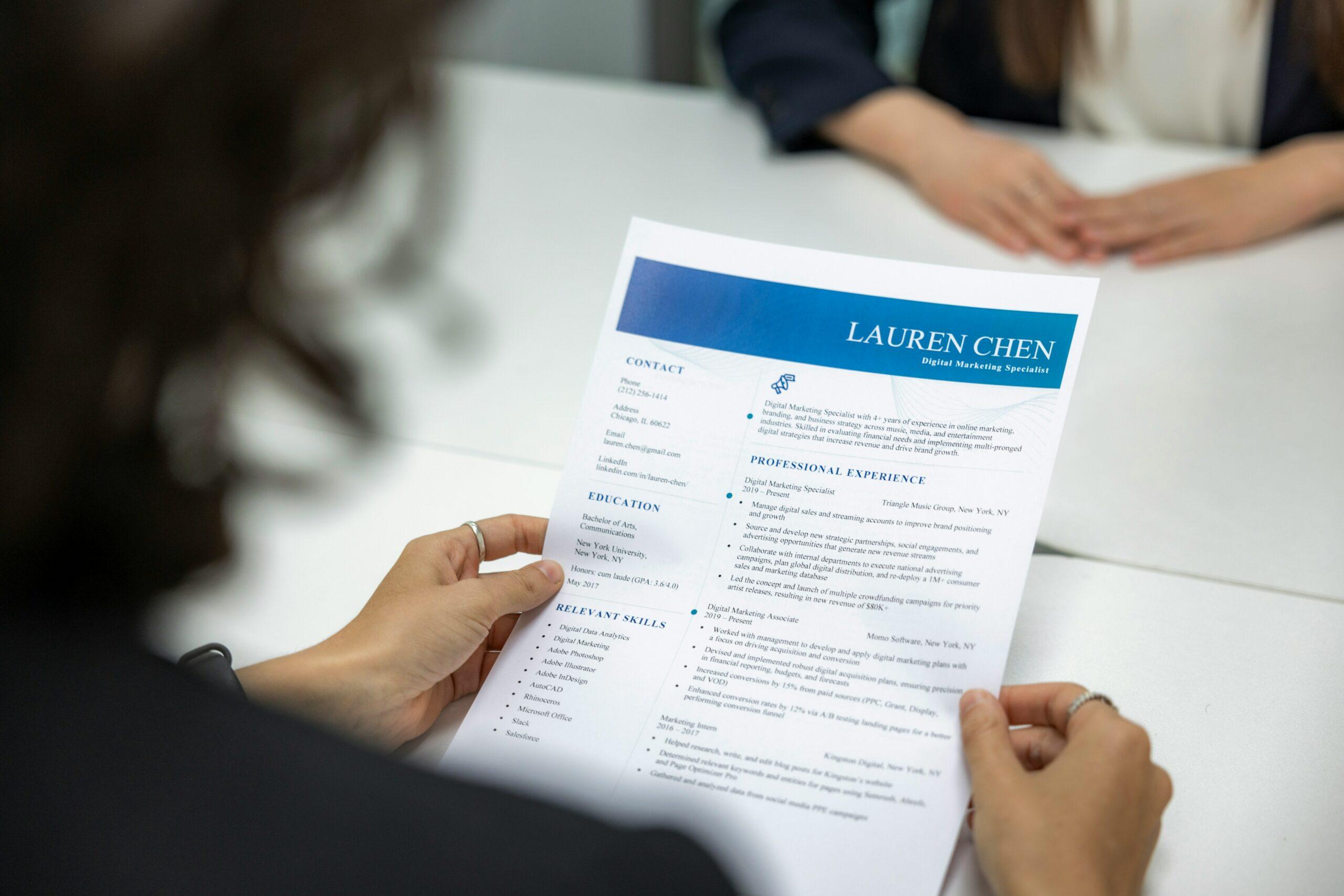

In the fast-paced world of recruitment, professionals allocate an average of just seven seconds to assess each CV. This highlights the critical importance of making a memorable impression quickly.
- Recruitment assessments have become time-efficient, necessitating concise CVs.
- The surge in CV-related queries indicates widespread applicant uncertainty.
- Strategic CV structuring is crucial to effectively convey competencies.
- Fine-tuning CVs with precision can significantly enhance employment prospects.
Recruiters today navigate vast numbers of applications, spending merely seven seconds per CV. This brief review period underscores the pressing need for job seekers to craft resumes that immediately captivate attention. A comprehensive survey by FutureLearn reveals a 150% increase in searches on how to write effective CVs, indicating a prevalent knowledge gap among applicants.
Effective CV construction hinges on brevity, with 91% of recruiters suggesting optimal CV length as two pages. Essential strategies include ensuring font sizes remain readable, adjusting margins, and minimizing spacing between headings. These minor modifications can aid in maintaining a concise yet informative document.
Another critical element of CV design is its layout. A well-structured CV, free of clutter, enhances readability and ensures recruiters can easily navigate through the information. Clarity is achieved by employing organised headers and strategically placed whitespace, allowing the content to stand out distinctly.
The information hierarchy on a CV is paramount. Critical sections include the applicant’s name and contact details prominently, a chronological presentation of education and employment history, and the integration of skills pertinent to the job role. Providing tangible outcomes from past roles, alongside pertinent skills and keywords, aligns the CV with job specifics, making it more appealing to recruiters.
Keywords derived from job descriptions should be seamlessly incorporated within the CV to pass through automated screenings. FutureLearn’s analysis suggests incorporating both hard skills like data analysis and AI, and soft skills such as communication and leadership, adapting them to the CV’s narrative where appropriate.
Ensuring accuracy is vital, with research pointing out that most CVs contain avoidable mistakes. Therefore, proofreading is an essential step in the CV crafting process. Seeking a second opinion, perhaps through professional review services, further refines the document, increasing the likelihood of securing an interview.
In a competitive job market, the meticulous preparation of a CV can significantly influence hiring outcomes within the seven-second assessment window.

