

The UK government is currently evaluating the introduction of flexible probation periods for employees returning from long-term sickness. The aim is to ease the reintegration process for such workers while reducing legal risks for employers.
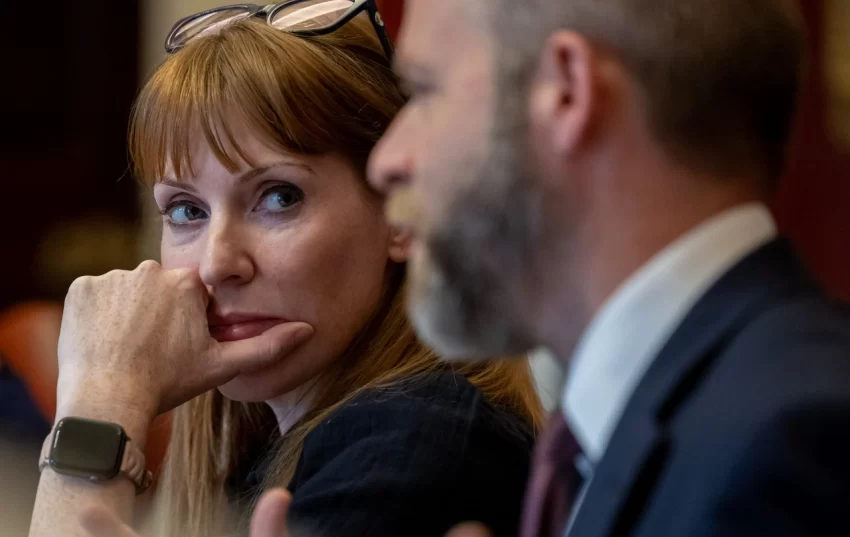
The proposal is spearheaded by Deputy Prime Minister Angela Rayner and Business Secretary Jonathan Reynolds, who argue that this approach could address the record 2.8 million workers currently on long-term sickness leave.
Proposal for Flexible Probation Periods
The proposal for flexible probation periods seeks to provide employers with an extended timeframe to assess returning employees. This would potentially mitigate the risk of facing employment tribunals should the rehiring not prove successful. This initiative mirrors Ireland’s approach, where probationary periods can be extended to a year in exceptional circumstances.
Rayner and Reynolds are advocating for a system that allows for longer probation periods, thereby incentivising businesses to re-employ individuals who have been out of work due to prolonged illness. According to Reynolds, this balance is essential to instil confidence in businesses while protecting workers’ rights.
Balancing Workers’ Rights and Employer Confidence
While the extended probation proposal aims to benefit both employees and employers, it faces opposition from unions. The unions argue that day-one rights should be universal, including for those returning from illness. Currently, full employment rights are granted only after two years of employment.
Rayner and Reynolds are in talks with unions and business leaders to find a middle ground. They believe that flexible probation could help more people return to the workforce while maintaining fair labour practices.
Labour’s Pledge to Overhaul Workers’ Rights
The discussion around flexible probation periods is part of Labour’s broader commitment to reform workers’ rights within the first 100 days of their term. Ministers are racing against time to finalise these agreements, as they aim to deliver on their promises swiftly.
Labour’s pledge includes granting full employment rights from the first day of a new job, a significant shift from the current two-year requirement. This initiative is seen as part of a broader effort to strengthen the UK’s labour laws.
Challenges and Expectations from Business Leaders
Despite Labour’s ambitious plans, business leaders expect more complex regulations to be implemented by 2026. They believe that while elements like day-one workers’ rights are crucial, they also introduce layers of complexity to employer-employee relationships.
Business representatives emphasise the importance of ensuring that new regulations do not inadvertently create additional burdens for employers. Their focus remains on achieving a balanced approach that supports both workers and businesses.
Comparison to Irish Employment Practices
The flexible probation proposal takes cues from Ireland, where probation periods can be extended up to one year in exceptional circumstances such as prolonged illness. This model aims to offer businesses the confidence to rehire without fearing legal repercussions.
The system in Ireland provides a useful framework, showing how extended probation can aid in reintegrating long-term sick workers while safeguarding employer interests.
Rayner and Reynolds believe that adopting a similar approach could help reduce the UK’s long-term sickness leave records, offering a pragmatic solution balancing rights and responsibilities.
Union Opposition and Labour Market Implications
Unions strongly oppose the flexible probation proposal, arguing it undermines the principle of universal day-one rights. They see this as a significant battleground in the fight for workers’ rights.
Union leaders stress that extending probation periods could lead to increased job insecurity, making it harder for returning workers to regain stability. They continue to push for policies that provide immediate and comprehensive protections for all employees.
Conclusion
In summary, the UK’s consideration of flexible probation periods aims to foster a more inclusive workforce by mitigating long-term sickness leave. However, finding a balance between protecting workers’ rights and instilling employer confidence remains a critical challenge.
Final Thoughts
The ongoing dialogue between the government, unions, and business leaders will be crucial in shaping the eventual implementation of these reforms. As Labour pushes forward, the outcome will significantly impact both the job market and employment practices.
The proposal for flexible probation periods signals a significant shift in addressing long-term sickness leave in the UK workforce. While it presents opportunities, the opposition from unions highlights the complexities of balancing legal protections and business interests.
As the government, unions, and business leaders continue discussions, the future of this proposal remains uncertain, yet pivotal. The ultimate goal is to create a fair and effective system benefiting both employers and employees.

