
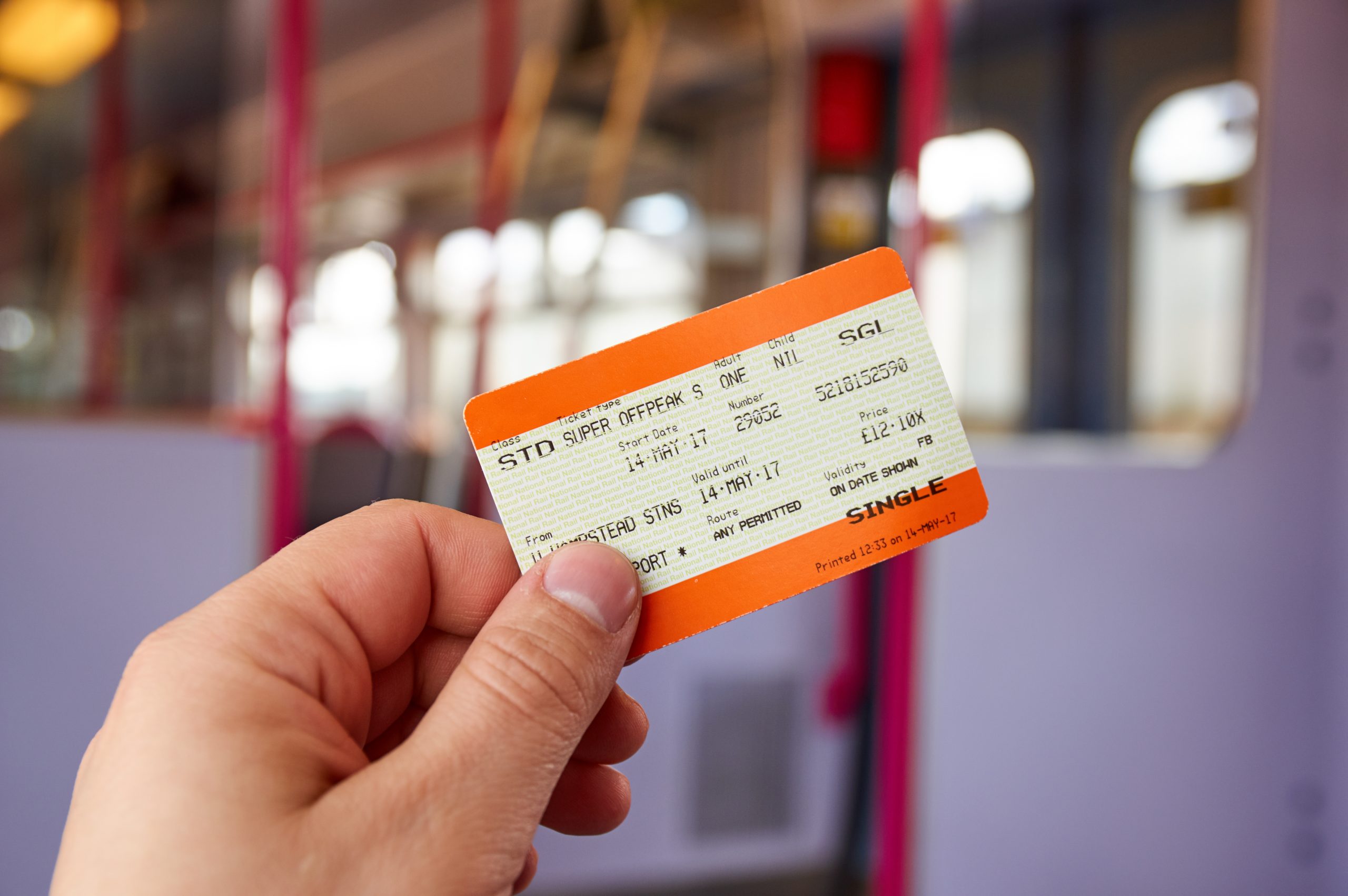

Passengers travelling by train in England will pay up to 5.9% more for their tickets from March next year.
The increase is being capped at a level well below inflation “to help reduce the impact on passengers”, said Transport Secretary Mark Harper.
He added: “This is a fair balance between the passengers who use our trains and the taxpayers who help pay for them.”
Before the pandemic, rail fares were raised each January based on the retail prices index (RPI) measure of inflation from the previous July.
However, the government said that due to unusually high inflation it has “for this year only” aligned the increase to July’s average earnings growth instead of RPI, more than halving the increase.
This means that fare increases for 2023 are capped at 5.9%, well below July’s RPI figure of 12.3%.
Harper described the move as “the biggest ever government intervention in rail fares”.
Fares will officially rise on 5 March 2023. Like last year, ticket prices are frozen for January and February so that passengers have more time to buy cheaper flexible and season tickets at the existing rate.
