
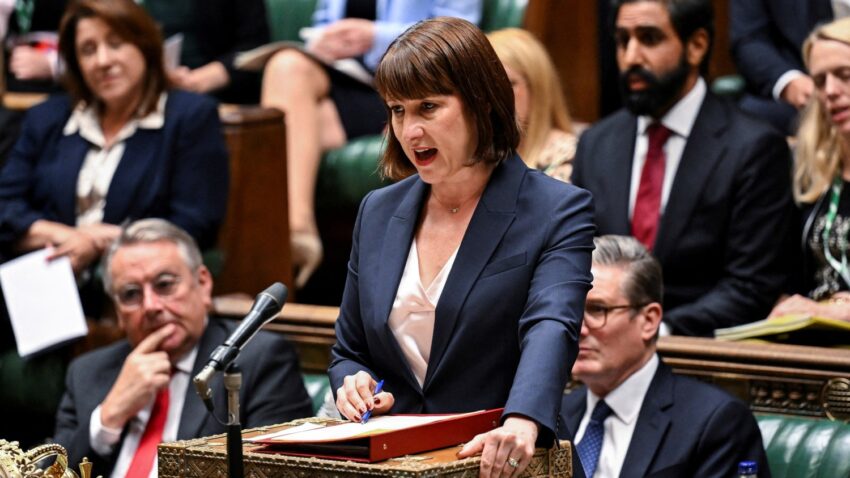

In a bid to stave off austerity, Rachel Reeves is faced with implementing considerable tax increases. The Institute for Fiscal Studies (IFS) has outlined the financial demands necessary to sustain public service funding.
The IFS’s analysis indicates the need for substantial economic measures. Reeves’s strategies involve navigating complex tax scenarios to ensure the UK’s economic stability.
Exploration of Increased Taxation
In a bid to prevent austerity, Rachel Reeves is contemplating a significant economic manoeuvre. The Institute for Fiscal Studies (IFS) has warned that to maintain public spending, the tax hikes must be unprecedented, dwarfing those of past administrations. An increase in employer national insurance contributions is on the table, with a potential rise of 1% potentially generating £8.9 billion.
Labour faces a challenge in balancing its manifesto pledge of not increasing taxes on ‘working people’ against the necessity of augmenting state revenues through other avenues. Adding VAT to private school fees and imposing stricter levies on oil and gas firms are also being considered. However, the IFS highlights that these measures alone will not suffice to prevent further cuts in public services.
The Extent of Required Financial Measures
To ensure departmental budgets grow in harmony with national income, an additional £25 billion in tax raises is essential. This far exceeds the measures implemented by former Chancellors Gordon Brown and George Osborne. The IFS estimates a requirement for an extra £16 billion on top of the £9 billion expected from Labour’s proposed reforms, thereby reaching the monumental figure needed.
Paul Johnson, director of the IFS, describes the potential first budget under the new administration as the most significant since at least 2010. He asserts that without a blend of increased taxation or borrowing, the new chancellor’s commitments to enhancing public investment and funding services will be untenable.
Potential Pensions Overhaul
Reeves is reportedly investigating possible changes to pension policies.
Considerations include reducing the tax-free lump sum available at retirement. This sum, currently set at £268,275, might be cut to £100,000. Such measures aim to bolster state finances amidst escalating pressures on the welfare system. As the population ages, the cost of supporting pensioners is rising inexorably.
Furthermore, adjustments to the rules governing the transmission of pension pots after death are on the agenda. These changes underline the gravity of the fiscal situation and the comprehensive strategy required to address it effectively.
Economic Forecast and Spending
Even with a favourable economic forecast, the IFS stresses the need for significant tax increases to balance the books. The confluence of an ageing population and rising debt interest payments necessitates decisive actions to avert fiscal instability.
Persistent attention to welfare costs underscores the economic challenge ahead. The Treasury remains focused on transforming the UK into a pro-growth economy despite these fiscal trials. Investments in infrastructure and public services are pivotal components of this strategy.
Proposals Under Consideration
The government is weighing several proposals to bolster the economy and counterbalance these tax increases.
While exploring various revenue-generating initiatives, Labour must navigate public opinion on tax hikes. The potential introduction of VAT on private education and increased levies on energy firms are prime examples of novel revenue streams.
In the backdrop is a determination to improve economic conditions without imposing undue burdens on average citizens. Reeves’s approach seeks to balance fiscal responsibility with economic growth aspirations.
Political and Public Reactions
The proposed financial strategies by Reeves are being closely monitored by all stakeholders.
Labour’s approach raises important questions about fiscal priorities and social equity. Critics and proponents alike are voicing concerns and support across social media platforms like Facebook and Twitter. These discussions influence public sentiment and could impact the administration’s future policymaking.
The debate over these sweeping tax changes highlights the broader dialogue on balancing fiscal prudence with social welfare amidst evolving economic circumstances.
As the fiscal landscape becomes more complex, the balance between taxation and public service funding remains delicate. Reeves’s decisions will shape economic policies.
Navigating these challenges requires careful consideration of economic forecasts and societal needs, ensuring both growth and equity.

