
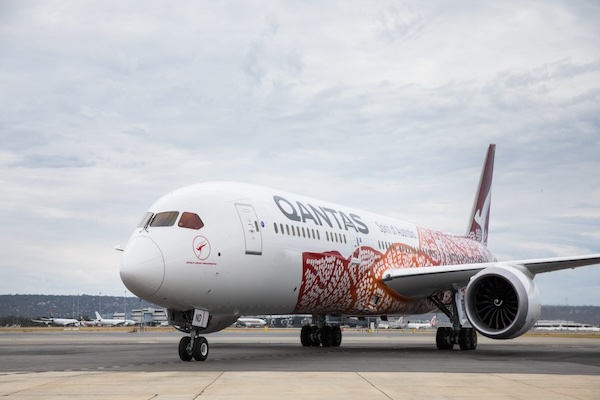

Qantas is taking decisive steps to reduce journey times for passengers travelling between London and Brisbane. In a strategic move, the airline plans to optimise flight schedules to enhance overall connectivity and meet the growing demand for efficient air travel.
The central change involves increasing the frequency of flights between the Queensland gateway and Singapore. This adjustment is part of Qantas’s broader strategy to streamline operations and improve passenger convenience by better aligning international connections.
Qantas Expands Flight Frequency
Qantas is set to enhance connectivity between London and Brisbane by increasing its service frequency. The airline plans to raise the number of flights between the Queensland gateway and Singapore from seven to nine weekly return flights. This expanded schedule is designed to provide better alignment with Qantas’ daily Singapore-Heathrow service, thus significantly reducing travel time by up to four hours. This move aligns with Qantas’s broader strategy to offer more convenient connections for its passengers, aiming to streamline the travel experience.
Strategic Adjustments in Flight Routes
In an effort to optimise operations and enhance passenger experience, Qantas is also increasing its Sydney-Singapore flights from 14 to 17 per week. This change is part of a wider plan to boost flight capacity between Singapore and Australia by around 10%. Qantas’s adjustments are contingent on receiving the necessary government and regulatory approvals, demonstrating the airline’s commitment to navigating the complexities of international air travel logistics.
New Destinations and Route Adjustments
Qantas’s network expansion includes new services such as Brisbane to Manila and additional flights from Sydney to Bengaluru, scheduled for four months starting mid-December. These new routes are introduced as Qantas withdraws the less popular Sydney-Shanghai service due to insufficient demand. Despite earlier hopes for recovery, the demand for travel between Australia and China is yet to rebound, prompting this strategic shift.
Maximising Aircraft Utilisation
The aircraft previously assigned to the Sydney-Shanghai route will now service other high-demand Asian destinations, as Qantas seeks to capitalise on emerging tourism markets. This reallocation underscores the airline’s adaptive approach in response to fluctuating market demands and opportunities within Asia. The decision to suspend the Sydney-Shanghai service reflects a targeted strategy to prioritise routes with greater demand.
Qantas’s Strategic Vision
Qantas International CEO, Cam Wallace, articulates the airline’s ongoing mission to match aircraft resources with current market needs. He stated, “We’re always looking to ensure that we have the right aircraft, on the right routes and at the right time of year to best meet the needs of our customers.” This highlights Qantas’s customer-centred philosophy, focusing on efficiency and service satisfaction.
Retaining Market Presence
Even with the suspension of the Sydney-Shanghai route, Qantas maintains its presence in the region through partnerships and flights to Hong Kong. The airline’s commitment to returning to the Shanghai market when conditions improve indicates a long-term vision. Qantas continues to monitor the Australia-China market closely, prepared to re-enter when demand rises, ensuring they remain competitive and ready to seize new opportunities.
Future Connectivity Enhancements
The enhancements in routes and frequency reflect Qantas’s dedication to improving international connectivity, notably in the Asia-Pacific region. The airline’s strategic realignments are designed to meet evolving customer demands effectively, ensuring they provide seamless travel experiences across key routes for both business and leisure travellers.
Qantas’s strategic enhancements to their flight schedules exemplify their commitment to providing efficient and convenient travel solutions. By increasing frequency on key routes and introducing new destinations, Qantas aims to meet market demands effectively.
These changes not only bolster their network presence but also enhance the overall travel experience, reinforcing Qantas’s position as a key player in international aviation.

