

Creating a psychologically safe workplace is paramount for enhancing productivity and happiness among employees.
- Dr Amanda Potter emphasizes trust and diverse teams for mental well-being and efficiency.
- Psychological safety encourages open communication, reducing anxiety and improving engagement.
- Hybrid work environments often lack psychological safety compared to traditional office settings.
- Leadership styles can significantly impact workplace trust and psychological safety.
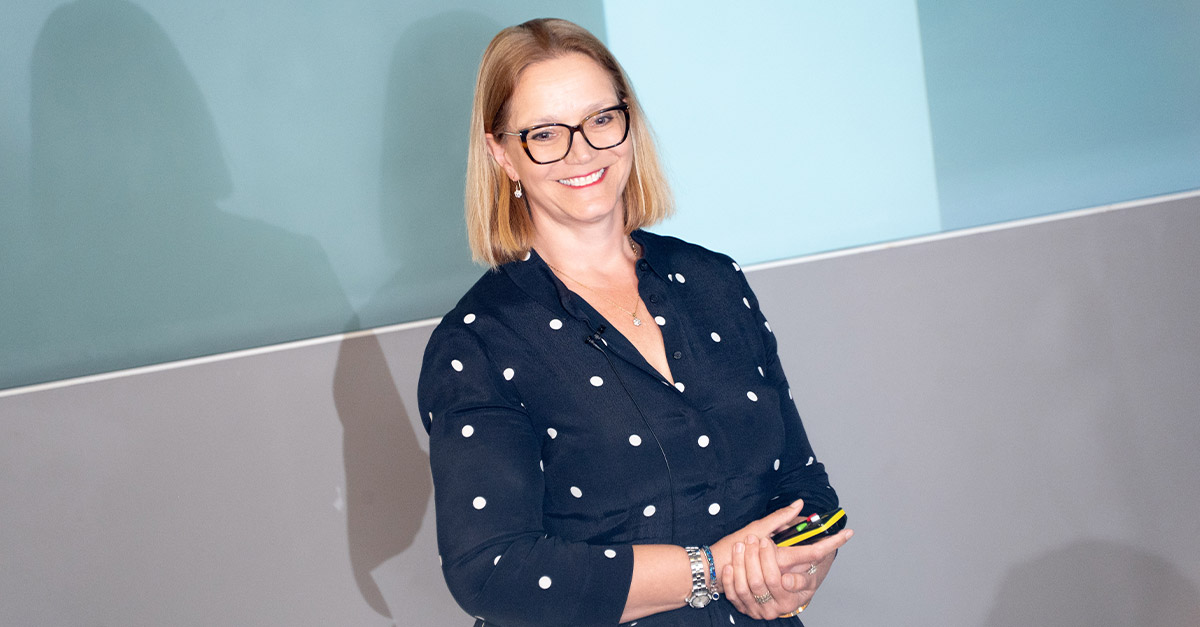
A workplace that fosters psychological safety is essential for achieving not only productivity but also employee happiness. This was the key message from the People Summit, as articulated by Dr Amanda Potter, a chartered psychologist and founder of a talent consulting business. Dr Potter underscored the importance of establishing a workplace with the right climate of trust and promoting diversity within teams, particularly considering the prevailing high levels of debt and stress in workforces.
In essence, psychological safety allows employees to feel comfortable speaking up, asking questions, and learning from mistakes. Dr Potter highlighted that an environment of trust builds the foundation for psychological safety. “Trust is more likely to create a foundation of psychological safety. Do you feel you can speak up [at work]?”, she queried, pointing out the positive correlation between trust, productivity, and employee satisfaction. In such an environment, employees are more likely to be engaged, content, and even find joy in their work.
Psychological safety’s absence could lead to a stifling atmosphere where employees refrain from independent thought, deferring decisions to leaders and fostering anxiety. She identified hybrid work settings as having the lowest levels of psychological safety, contrasted with traditional office settings where employees engage in spontaneous interactions, such as those during the ‘water cooler’ moments. Dr Potter stressed the significance of such organic interactions and the benefit they bring to mental well-being.
A diverse team is another critical component of a psychologically safe environment. Companies are encouraged to recruit a mix of staff, particularly spanning different generations. Such diversity is a catalyst for innovation and improved problem-solving. Potter suggested, “We should be working with people who are irritants because they innovate more,” noting the importance of having a varied team.
Lastly, Dr Potter warned of the potential for managers and leaders to inadvertently erode psychological safety through their leadership styles. She indicated that the most driven managers might cultivate toxic environments, as their fear of failure can lead to a lack of trust whereby employees hesitate to speak up. In contrast, psychologically safe teams are characterised by open communication and mutual trust.
Cultivating a psychologically safe work environment is crucial for nurturing a productive and happy workforce.

