
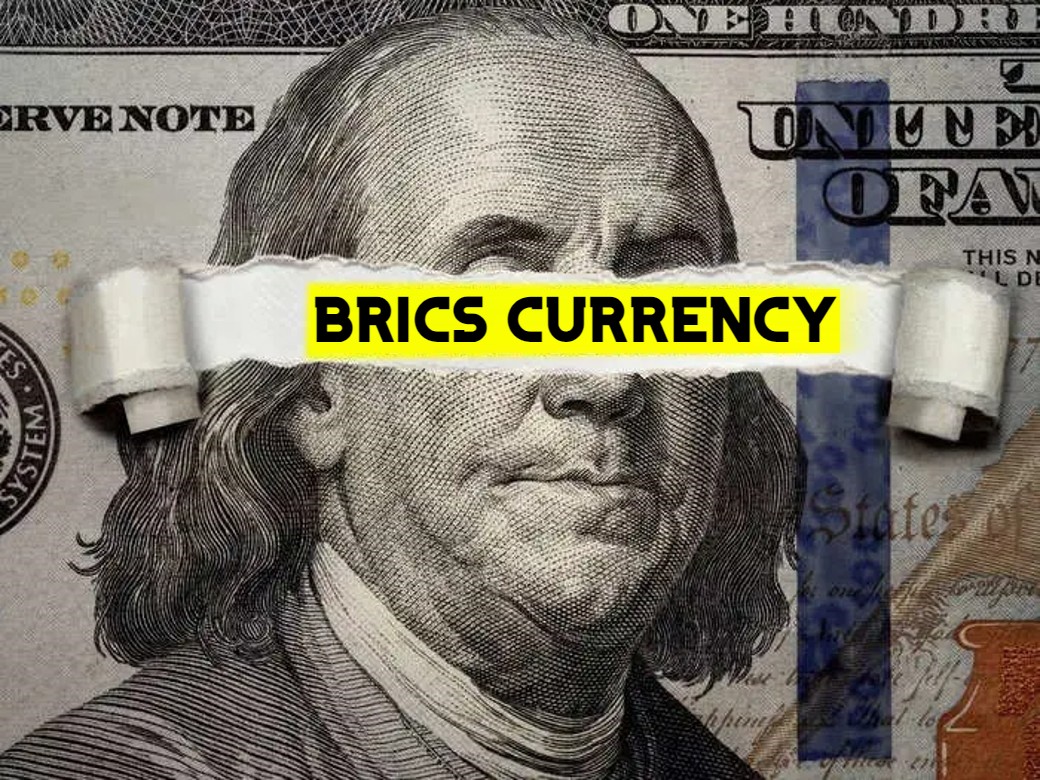

The BRICS nations are strategising the launch of a new currency, aimed at reducing dependence on the US dollar. This initiative could potentially reshape the global economic landscape.
With 40% of its value backed by gold and 60% by a mix of local currencies, the BRICS currency represents a significant shift. The combination aims to bolster emerging economies while challenging the dominance of established currencies.
The Financial Strategy of BRICS: Integrating Gold and Currencies
The BRICS alliance—comprising Brazil, Russia, India, China, and South Africa—proposes a paradigm shift in international finance by introducing a new currency. This currency is envisioned to have a 40% backing in gold and the remaining 60% linked to a basket of local currencies such as the Chinese yuan, the Russian ruble, and the Indian rupee. These measures are not only about financial diversification but also about creating an alternative trading platform that could potentially minimise the existing global reliance on the US dollar.
Potential Impact on the Global Economy
A BRICS currency backed by gold could lead to significant implications for the global economy, particularly for developing nations. As these countries incorporate gold-backed currency, their influence in global markets may increase, possibly at the expense of Western economic powers. Furthermore, other developing countries might consider adopting this model, leading to widespread geopolitical implications.
Such a shift would intensify the pressure on the US dollar, potentially reducing its global appeal and altering the conventional supply and demand mechanisms currently in place. This could redefine trading norms across various markets.
Gold’s Role and Market Implications
The decision by BRICS to back their currency with gold underscores the critical role of this precious metal in ensuring economic stability and confidence. Gold’s intrinsic value offers a hedge against inflation and currency devaluation, making it a viable choice for currency backing.
The World Gold Council notes that BRICS members are currently the largest accumulators of gold, a trend that has escalated since 2022. This substantial accumulation is likely to elevate gold prices further, impacting global markets. The strategy suggests a calculated move to garner economic leverage.
By promoting a gold-backed currency, BRICS is positioning itself to influence global markets significantly. This could lead to increased adoption of the new currency for international trade and finance. If successful, it might prompt other countries to reconsider their monetary systems.
Challenges and Considerations
Despite the advantages, the venture is fraught with challenges. Establishing a currency that can compete globally requires comprehensive cooperation among BRICS nations, considering their diverse political and economic landscapes. Such an initiative demands rigorous coordination and mutual trust.
Moreover, integrating local currencies poses its own set of challenges, including fluctuating exchange rates and differing economic priorities among member countries. Ensuring stability in the currency’s valuation will require intricate financial oversight and policy alignment.
The Path Forward for Developing Nations
For developing nations, the acceptance of a BRICS-backed currency could provide a newfound platform for economic advancement and autonomy. These countries, often relegated to the periphery in global trade discussions, might find a voice through this initiative.
A successful implementation could reduce trade imbalances and promote stronger economic ties among participating nations, fostering an environment of mutual growth and cooperation. Such progress would be pivotal in establishing a less US-centric global economy.
However, the transition to a new currency system could be complex, requiring significant infrastructural changes and adaptability from both governments and businesses. The success of this project hinges on effective implementation and broad acceptance across different sectors.
Reactions and Speculations
The proposed currency has sparked global debate, with various stakeholders weighing in on its potential success or failure. Economists suggest that while the initiative is ambitious, its real-world application will require substantial groundwork and international dialogue to mitigate risks.
Social media channels reflect a myriad of opinions, highlighting both optimism and scepticism regarding BRICS’ ability to execute such a transformative endeavour.
The Future of International Currency Dynamics
The proposed BRICS currency introduces a new dynamic to international trade and finance, challenging long-standing currency norms. If successful, it could shift the balance of economic power and influence future monetary policies worldwide.
The unveiling of a BRICS-backed currency could redefine international financial systems. Success hinges on effective implementation and cooperative synergy among the nations involved, promising a potentially transformative impact on global economic dynamics.

