
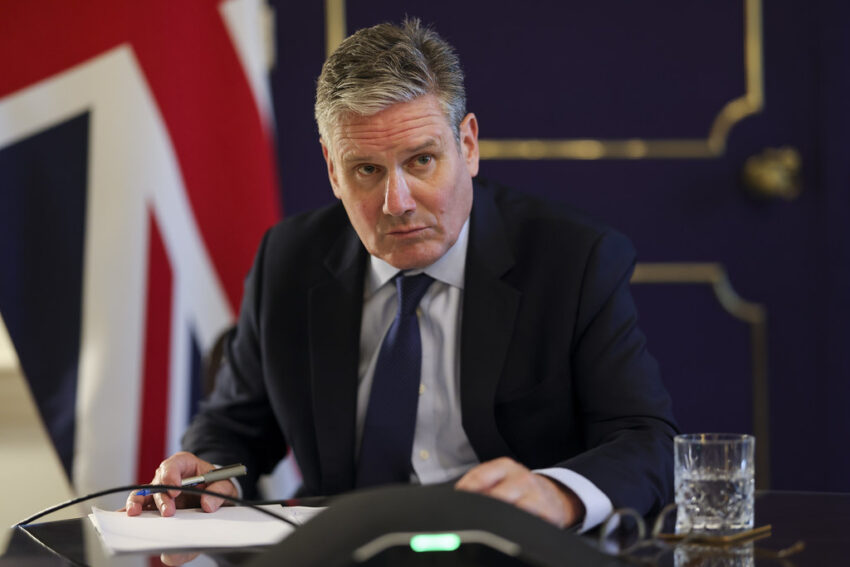

Prime Minister Keir Starmer has laid out a vision aimed at revitalising the United Kingdom’s economy, urging citizens to brace for necessary financial sacrifices.
Addressing the fiscal shortfall left by previous administrations, he promises that these tough measures will eventually lead to improved national prosperity.
Economic Challenges and Promises
In his inaugural address to the Labour conference as Prime Minister, Keir Starmer outlined a stringent economic path aimed at addressing the fiscal challenges inherited from the previous administration. He was clear that tax cuts are off the table until significant progress is made towards stabilising the national finances. The promise, however, is that these tough measures will lay the groundwork for future benefits including improved public services and a robust economy.
Starmer’s speech arrives amidst growing unrest over recent policy decisions, notably the removal of winter fuel payments for a considerable number of pensioners. He acknowledges the immediate hardships that these decisions might cause, but strongly advocates for the long-term gains of economic security and prosperity. “The road to national renewal is collective,” states Starmer, emphasising the shared effort required to reach the promised ‘light at the end of the tunnel’.
Taxation and Economic Stability
Starmer’s economic plan notably excludes increases in direct taxes such as income tax, National Insurance, VAT, and Corporation Tax. However, it leaves room for potential adjustments in areas like Capital Gains Tax and inheritance tax. This strategy reflects a drive to balance fiscal responsibility with the need to fund essential public services effectively.
The backdrop to these proposals is a stark £22 billion fiscal deficit, which Starmer attributes to what he describes as Conservative mismanagement. He contends that addressing this deficit is a crucial component of Labour’s strategy to revitalise the economy. Despite criticism and declining approval ratings, Starmer remains steadfast in his focus on repairing the financial ‘black hole’ and restoring the vitality of public services.
Public Response and Political Strategy
The reaction to Starmer’s policies has been mixed, with some critics accusing him of dwelling too much on past administration’s failures.
There is a noticeable sense of disillusionment among certain voter segments, who are eager to see forward-looking solutions rather than reflections on past missteps. However, Starmer insists that recognising these past errors is pivotal in charting a sustainable path forward. By positioning his economic strategy as both prudent and necessary, he aims to regain public trust.
Starmer’s rhetoric on economic renewal is accompanied by a defence of his fiscal strategies, highlighting them as the only responsible approach in light of the previous government’s missteps. He aims to present Labour’s economic blueprint as a beacon of accountability and foresight.
Future Projections and Budget Planning
Anticipation builds as Labour prepares its first budget, planned for unveiling on October 30. This budget is expected to encapsulate the government’s strategic focus on fiscal responsibility, possibly involving spending cuts and tax adjustments in non-direct tax areas.
Starmer and Chancellor Rachel Reeves have signalled that the forthcoming budget will not introduce hikes in income tax or other direct taxes, steering clear of exacerbating the financial burden on the average citizen. Their aim is to craft a budget that ensures long-term financial stability while safeguarding essential public services.
Reactions to Policy Announcements
The Labour government’s policy proposals have prompted various responses from stakeholders. Business sectors express cautious optimism about potential stability, though concerns about possible tax changes remain.
Public debate has intensified, with many weighing the potential benefits of Labour’s economic strategy against the immediate sacrifices that may be required. Through it all, Starmer remains firm in his commitment to a path he believes will ultimately lead to greater national prosperity.
Starmer’s address seeks to clarify Labour’s fiscal intentions and reassure citizens of the strategic foresight guiding his administration. He remains optimistic about achieving the promised economic recovery, even as he manages differing opinions and expectations.
Starmer’s Vision for the United Kingdom
At the heart of Starmer’s vision is a commitment to revitalising the UK’s economy through sustainable measures and improved public services. His focus on a green, equitable future aligns with broader goals of reducing NHS waiting lists and strengthening borders.
His administration’s stance is that immediate sacrifices will pave the way for more substantial, long-lasting improvements, thus marking a turning point for the UK. Starmer urges the nation to stay the course, promising that strategic patience will yield dividends.
Communication and Public Confidence
Starmer’s communication strategy revolves around transparency and directness, aiming to rebuild public confidence amidst economic uncertainty. By openly discussing the challenges and proposed solutions, he hopes to foster a more informed and supportive public sentiment.
Starmer’s vision of economic recovery rests on short-term sacrifices for long-term benefits, promising a stabilised economy.
Through strategic planning and fiscal prudence, his administration aims to restore public services and deliver a stronger economy. The path may be challenging, but commitment to these goals remains unwavering.

