
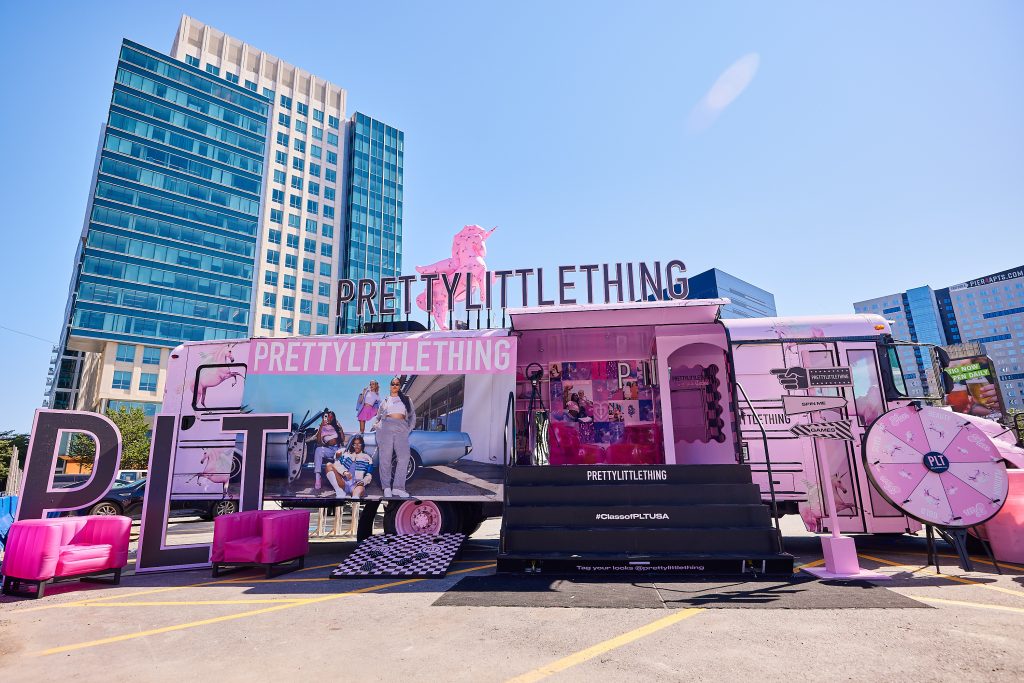

PrettyLittleThing, under the Boohoo Group, has instigated a return fee of £1.99 for UK customers.
This change aligns the company with a broader shift in the online retail sector, aiming to balance operational costs and environmental impacts.
New Policy Implementation
PrettyLittleThing, renowned for its trendy womenswear, has introduced a £1.99 fee for returns in the UK effective from 3 June 2024. This move reflects a growing trend among online retailers to impose return charges to manage operational costs and reduce environmental impact. Customers opting for alternative couriers like Evri, Royal Mail, and Inpost will also face this fee, which is either deducted from the refund or paid upfront.
Several other retailers have already taken similar steps. Zara implemented a £1.95 postal return fee in May 2022, followed by Boohoo in July 2022 and New Look in February 2023. These measures are perceived as necessary adjustments to the evolving dynamics of online shopping and returns management.
Rationale Behind the Charges
The rationale behind introducing return charges is multifaceted, with a strong emphasis on sustainability and cost management. Online retailers are increasingly burdened by the costs associated with processing returns, which include shipping, handling, and restocking.
By introducing a fee, PrettyLittleThing aims to discourage excessive returns and promote more mindful purchasing decisions among its customers. Ultimately, the charge could lead to a decrease in the carbon footprint associated with unnecessary returns.
Market Response to Return Fees
Introducing charges for returns can be a contentious decision in the competitive retail market. Some customers may express dissatisfaction, feeling inconvenienced by the added costs.
However, other shoppers might view this as an understandable part of doing business online, especially if it leads to enhanced efficiency and sustainability in operations.
A balanced perspective is necessary, as the retail landscape continues to adapt to consumer expectations and environmental responsibilities.
Comparative Analysis with Competitors
When comparing PrettyLittleThing’s policy to those of its competitors, it is clear that return fees are becoming the norm rather than the exception.
Retailers like Oh Polly have introduced dynamic return fees, which vary based on customer return behaviour, with potential charges as high as £8.99 per order.
Such strategies imply a shift towards personalising return policies to match customer habits, a trend that could redefine the future of retail.
Consumer Behaviour and Adaptation
Understanding consumer behaviour is crucial when implementing return fees. Customers may need time to adapt to these changes, which could impact their shopping patterns.
Retailers must communicate clearly about these policies to minimise customer dissatisfaction. Education on the environmental and economic benefits of such fees can aid in gaining customer acceptance.
Ultimately, consumer adaptation will depend on the perceived value and ethics of the retailer’s brand, alongside transparent communication strategies.
Economic Implications for Retailers
For retailers, implementing return fees is an economic decision aimed at boosting profit margins by lowering the costs associated with returns.
Effective returns management can lead to significant savings in shipping and logistics, contributing to a healthier bottom line. Retailers hope that by charging for returns, they will not only enhance sustainable practices but also improve overall operational efficiency.
Balancing profitability with customer satisfaction remains a delicate endeavour that requires strategic insight and careful execution.
Future Prospects and Trends
Looking forward, the introduction of return fees may pave the way for more innovative approaches to returns management.
Technological advancements, such as AI-driven analytics, could provide deeper insights into customer behaviour, allowing retailers to tailor their policies accordingly.
As the retail industry evolves, businesses must remain agile and responsive to both market demands and environmental considerations to stay competitive.
The introduction of return fees marks a significant shift in online retail strategies.
Retailers like PrettyLittleThing are navigating complex consumer expectations while striving to maintain profitability and sustainability.

