
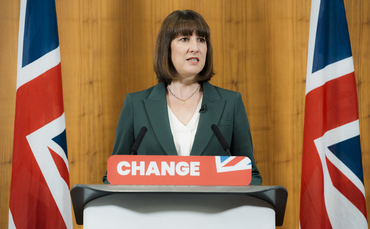

Speculation about changes to higher-rate pension tax relief has been halted by the chancellor, which experts view as beneficial for clients.
- Treasury officials advised against cutting the 40% tax relief for higher earners, highlighting potential harm to state workers.
- Pension tax changes were initially considered for the upcoming Budget, but remain off the table for immediate revenue.
- Despite the pause on tax cuts, other pension-related proposals are still under review.
- The decision to stop speculation aligns with preventing client uncertainties and market disruptions.
In a decisive move, the chancellor has put an end to growing speculation around potential changes to higher-rate pension tax relief. Experts have expressed approval of this action, suggesting that ongoing conjecture was creating uncertainty that negatively impacted client outcomes. As the upcoming Budget looms, this decision marks an effort to stabilise expectations among both financial advisers and their clients.
Senior officials from the Treasury have conveyed to Chancellor Rachel Reeves their concerns over reducing the 40% tax relief currently available to higher earners. It was noted that such adjustments could disproportionately affect those working in the public sector, who have modest incomes compared to their private sector counterparts. This potential inequity could have compounded challenges for state employees already navigating financial pressures.
The spectre of pension tax relief reductions was considered a probable topic in the upcoming 30 October Budget speech. However, this particular measure is now deemed less viable as a tool for revenue generation. This shift does not rule out other discussions or decisions regarding pension schemes, as various options remain on the government’s agenda according to Treasury sources.
Although the direct threat of reduced tax relief has been lifted, the government is still actively assessing other avenues within the pension framework. This ongoing evaluation indicates a sustained focus on optimising pension policies, albeit without drastic immediate changes to tax relief for higher earners.
By halting premature discussions about potential tax changes, the government has reduced the risk of destabilising investor confidence and market operations. The chancellor’s decision thus underscores a commitment to informed and measured economic policy-making, reflecting an understanding of the broader implications for all stakeholders involved.
This strategic intervention by the chancellor emphasises a careful approach in dealing with pension-related matters, ensuring stability for clients.

