

The UK government faces a warning over the possible relocation of Unilever’s £15bn ice cream listing to the Netherlands.
- Former investment minister Sir Gerry Grimstone has urged the government to appoint a new investment minister promptly.
- A meeting between Unilever’s CEO and the Netherlands’ economic affairs minister raises competitive stakes.
- Unilever’s ice cream division, which includes Magnum and Ben & Jerry’s, is set for a separate listing by 2025.
- The UK’s position in attracting such a significant listing is under scrutiny amid international interest.
The United Kingdom stands at a crossroads with regards to Unilever’s plan to list its lucrative £15 billion ice cream division, a decision that could see the business shift its base to the Netherlands. This potential move has sparked concerns over the UK’s appeal as a prime destination for substantial business investments. Sir Gerry Grimstone, who served as an investment minister, has highlighted the urgency for the UK to appoint an investment minister who could rejuvenate inbound investments.
Grimstone’s plea comes amid increasing international competition, notably from the Netherlands, whose minister of economic affairs, Dirk Beljaarts, has reportedly engaged in discussions with Unilever’s CEO, Hein Schumacher. The strategic meeting was aimed at persuading the fast-moving consumer goods giant to consider an Amsterdam listing on the Euronext exchange. This interaction underscores the competitive advantage other nations might leverage over the UK if swift governmental action is not undertaken.
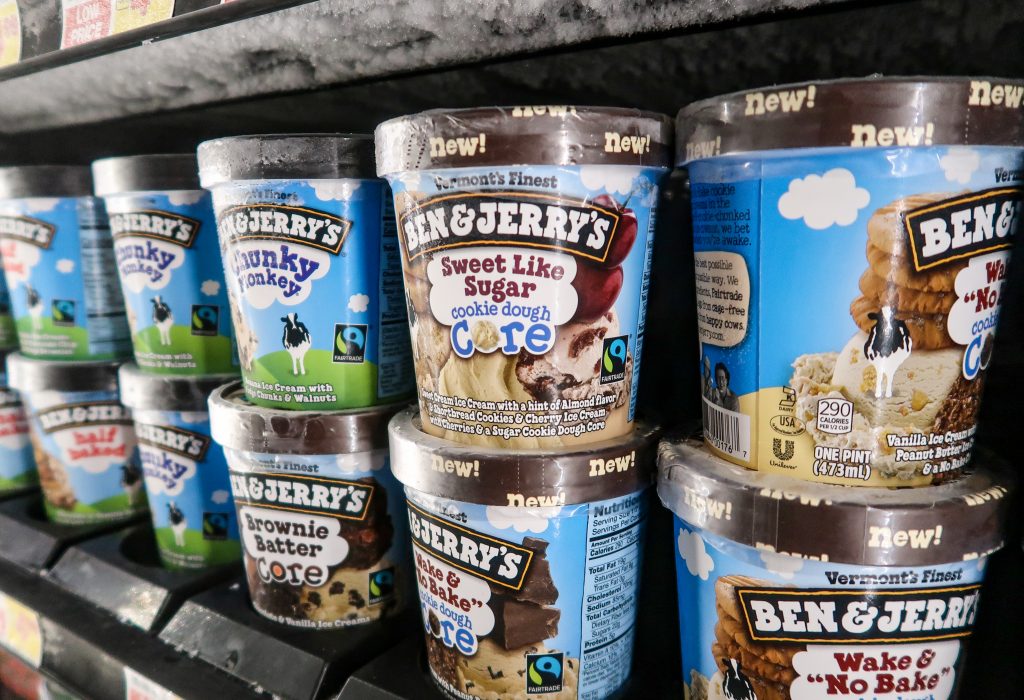
Unilever, having announced intentions to spin off its ice cream brands such as Magnum, Ben & Jerry’s, Wall’s, and Cornetto, seeks to create an entity with distinctive operational characteristics. The strategic separation is envisioned to streamline the company, enhancing its focus and accountability. The full divestiture is anticipated by 2025, and this move is poised to facilitate the division’s growth independently of Unilever’s broader portfolio.
In a candid statement, Schumacher has acknowledged the favourable positioning of the Netherlands as a potential host for the division’s headquarters, given its current operational base and the United States as the largest market. His remarks on Dutch television have heightened speculation about the likely relocation to the Netherlands, adding to the growing conjecture around the future of the UK as a hub for such listings.
Grimstone’s assertions bring to the fore the necessity for the UK to retain its competitiveness and attractiveness for major corporate listings. The potential loss of Unilever’s ice cream division would represent a significant setback in the tightening race among European markets to secure prominent business opportunities.
The UK must take strategic action to prevent missing out on Unilever’s high-profile ice cream division listing amid growing international competition.

