
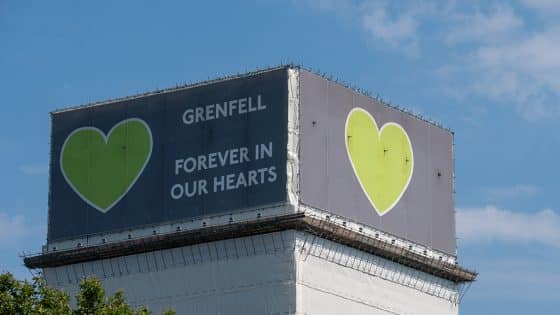

Post-Grenfell legislation may lead to a sharp withdrawal of professional indemnity (PI) insurance by cautious insurers.
- New laws impose extended liability timelines, potentially increasing insurers’ exposure to construction defects.
- PI insurance premiums, previously raised post-Grenfell, had reduced but face potential hikes again.
- Industry experts warn that a significant influx of claims could trigger an immediate insurance pullback.
- Current insurance market stability is fragile, hinging on the frequency and severity of emerging claims.
The implementation of post-Grenfell legislation has signalled potential challenges for the construction industry, specifically concerning professional indemnity (PI) insurance. These laws, while aiming to enhance safety within the construction sector, may inadvertently lead to insurers reassessing their exposure. Insurers, wary of increased liability, especially concerning historical safety defects, are anticipated to exercise caution when underwriting new policies.
These legislative changes, particularly under the 2022 Building Safety Act, have broadened the liability scope. Previously, liability for safety defects was limited to six years post-handover; however, it now extends to a period of thirty years. Moreover, if a firm responsible for a defect is no longer operational, liability may transfer to related entities, thereby potentially elevating insurers’ risk exposure. Such provisions require insurers to scrutinise past projects more diligently, heightening their apprehensions about unforeseen claims.
Paddy Synnott, a construction PI specialist at Miller Insurance, highlighted these concerns at a recent Chartered Institute of Building event. He noted that although PI premiums had initially spiked following the Grenfell tragedy, they had subsequently decreased. Yet, this decline could reverse should claims surge under the new statutory framework. According to Synnott, insurers are continuously evaluating the potential of substantial claims arising, which may precipitate an immediate retraction akin to post-Grenfell responses.
Historically, the aftermath of the Grenfell Tower fire in 2017 illustrated the rapid decision-making tendencies of insurers, who withdrew coverage in response to heightened fire safety claims. This retraction significantly impacted construction firms, with many facing challenges due to restricted coverages. Notably, a 2022 survey by the Construction Leadership Council revealed that a quarter of the firms surveyed had experienced work loss primarily attributed to cladding and fire safety coverage limitations.
Adding to these complexities, Colin Jones, an HCR Law partner, remarked upon the new dutyholder regime established in October. This regime imposes stringent obligations on principal contractors, who must ensure compliance with building regulations by collaborating effectively with project stakeholders. However, Jones questioned the practical implications of this regime, pondering if it might necessitate contractors to anticipate and rectify potential errors preemptively.
The evolving legal landscape mandates vigilant scrutiny by insurers, with significant implications for PI insurance coverage and industry stability.

