
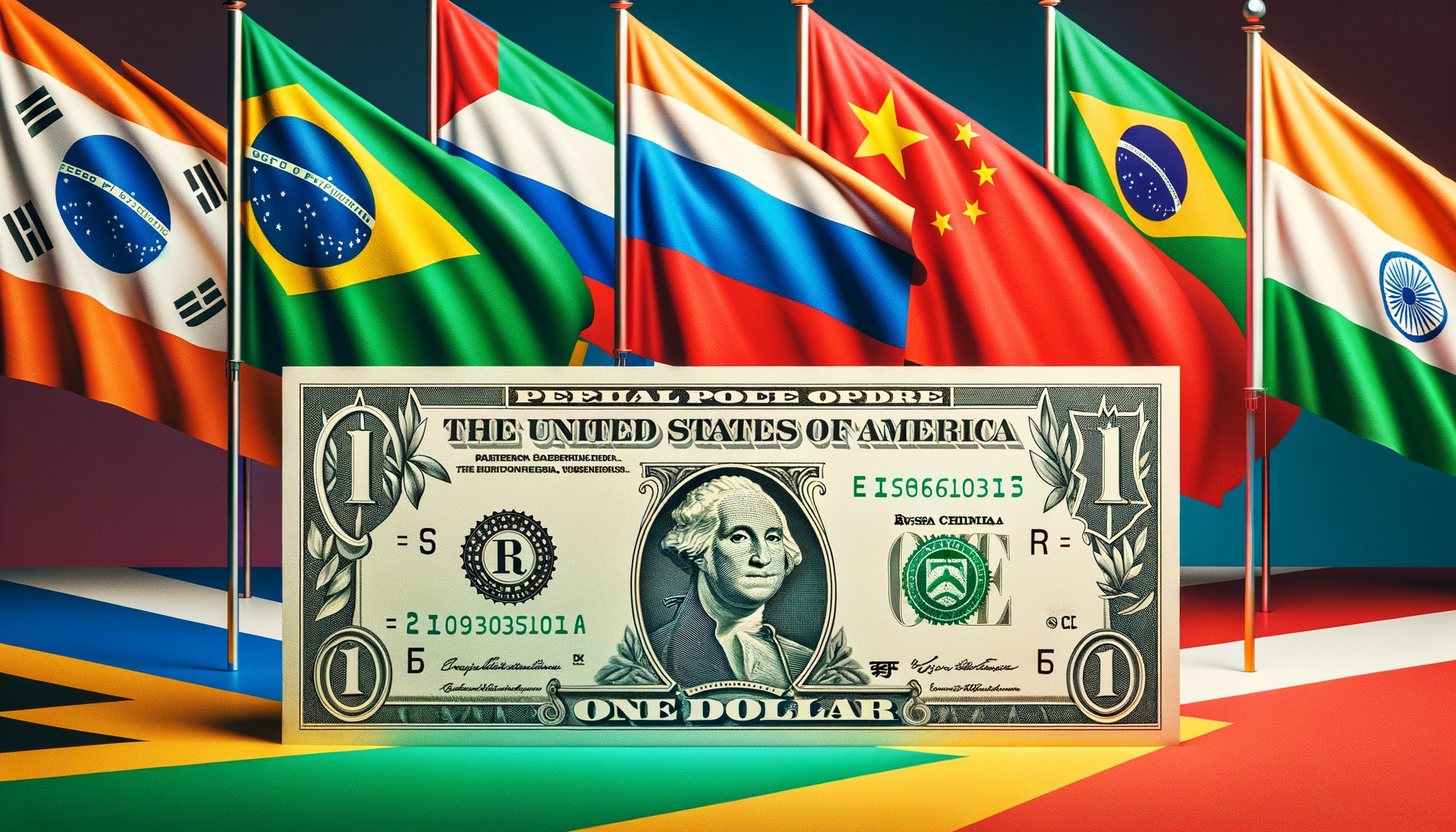

A Nasdaq analyst expresses concern over the potential destabilization of the US dollar by the BRICS alliance. The group, consisting of Brazil, Russia, India, China, and South Africa, continues to challenge the dollar’s dominance.
The Rising Threat of BRICS Currency
For several years, the BRICS bloc has posed a significant threat to the US dollar’s supremacy. The idea of introducing a BRICS currency could further solidify their economic independence and pose a substantial challenge to the existing international financial system. With the US dollar’s global usage declining, the prospect of a BRICS currency looms large.
Currently, nearly a fifth of global oil trades are conducted using currencies other than the US dollar, highlighting the shifting economic dynamics. If BRICS nations successfully launch their own currency, it could drastically impact the dollar’s standing. Experts are keenly observing these developments, expecting potentially transformative outcomes for global trade.
De-Dollarization Efforts and Global Implications
BRICS’s efforts to move away from the US dollar have been consistent and strategic. By trading in alternative currencies, particularly the Chinese Yuan, they aim to undermine the dollar’s dominance. Nations globally are increasingly considering supporting the BRICS initiative, which could have drastic implications for international financial markets.
China, a key player in this movement, pushes de-dollarization further. If BRICS establishes a reserve currency, the demand for the US dollar may decline significantly. This strategic shift could reshape global economic landscapes, creating new alliances and financial structures.
The Influence of Central Bank Digital Currencies (CBDCs)
The rise of Central Bank Digital Currencies (CBDCs) presents another layer of complexity in the global currency arena. With 134 countries testing digital currencies, and 66 already in advanced phases, these innovations could drastically alter global financial operations by 2027.
CBDCs provide a secure and efficient alternative to traditional currencies. Their widespread adoption could further diminish the use of the US dollar in international markets. As CBDCs become more prevalent, the financial influence of the dollar may face unprecedented challenges.
Experts suggest that the integration of CBDCs into the global market could lead to significant shifts in economic power, potentially diminishing the US dollar’s role as the primary global currency. Such transitions highlight the multifaceted challenges faced by traditional fiat currencies in maintaining their dominance.
Nasdaq’s Perspective on Economic Shifts
Melissa Pistilli of Nasdaq and the Investing News Network has highlighted the concerns surrounding the potential rise of a BRICS currency. She notes that the shift could allow these nations to assert more autonomy in the economic sphere, reshaping how global commerce operates.
According to Pistilli, the new economic realities posed by BRICS’s actions call for comprehensive analysis and strategic foresight. The anticipated BRICS currency could catalyse significant changes in how international trade and finance are conducted.
The Role of China in the Currency Debate
China is at the forefront of the BRICS currency initiative. Its active participation in de-dollarization signifies a clear intent to redefine its role in global economics. As one of the largest economies pushing this agenda, China’s actions are pivotal to the success of BRICS’s aspirations.
China’s influence extends beyond BRICS, with its currency increasingly being used in non-member trades as well. This trend emphasizes China’s growing economic clout and its potential to challenge the US dollar’s hegemonic status in international trade.
Future Prospects of the US Dollar
The looming prospects of new global currencies and digital monetary systems have placed unprecedented pressure on the US dollar. It faces not only competition from potential BRICS innovations but also from the growing adoption of CBDCs worldwide.
The US dollar’s future may hinge on strategic adjustments and policy responses to these evolving economic dynamics. Analysts continue to debate the potential outcomes, considering both the risks and opportunities these changes present.
The BRICS alliance, through its strategic manoeuvres and potential new currency, poses a profound challenge to the US dollar’s global dominance. As digital currencies gain traction, the economic landscape could experience a significant transformation, requiring adaptive strategies from all stakeholders.
