
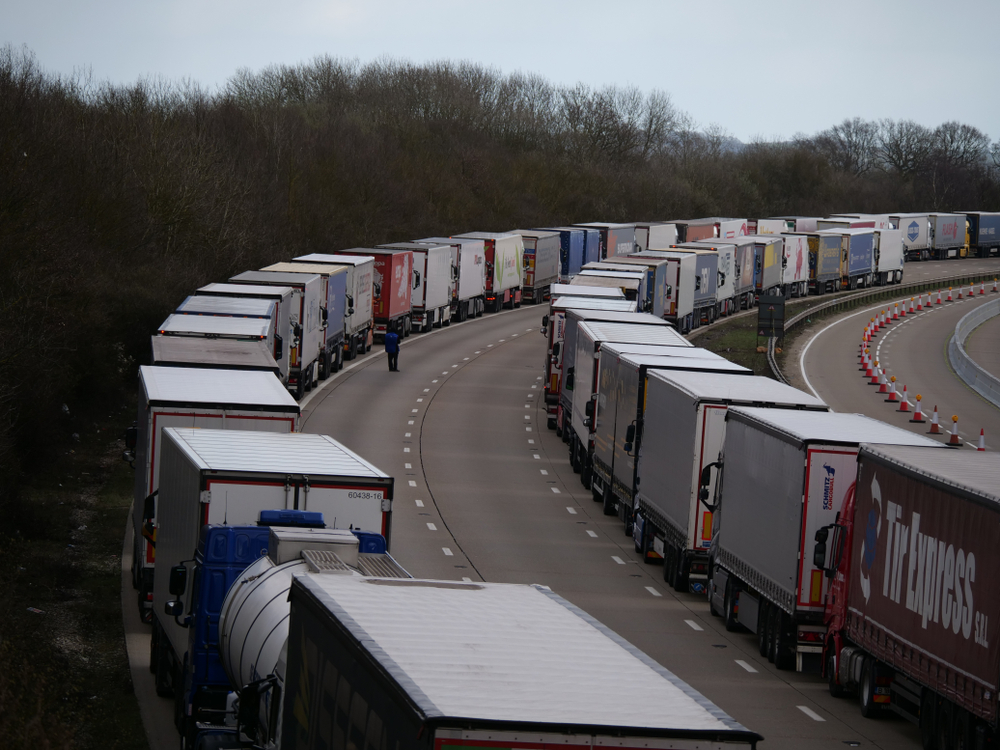

The introduction of new EU border checks could impact Christmas food deliveries.
- The new rules require facial recognition and fingerprint checks for non-EU travellers at Dover.
- Logistics UK warns of significant congestion and disruption in goods flow.
- New Entry/Exit System set for 10 November may cause extensive delays.
- Costs of delays could be substantial, affecting consumers eventually.
The impending implementation of more stringent EU border checks, as warned by a trade group, has the potential to notably disrupt Christmas food deliveries. The new protocol mandates all non-EU passengers at Dover to undergo facial recognition and fingerprint assessments, with the objective of tightening border security. Though the intent is to enhance border integrity, there are concerns over potential logistical bottlenecks.
Logistics UK, a leading trade group, has expressed apprehension regarding the potential for considerable traffic congestion and subsequent disruption of the supply chain. This is particularly crucial given the time of implementation, coinciding with increased reliance on imports during the winter months in Britain. Their warnings underscore the possible challenges for transporting essential goods, notably food items, from continental Europe to the UK.
Scheduled for roll-out on 10 November, the new Entry/Exit System (EES) could result in significant queues. Research by Imperial College London suggests that each additional minute taken to process a car could result in queuing extending by approximately 10 miles. In extreme scenarios, evidence presented by Ashford Council to Parliament indicates potential 14-hour passenger delays, underscoring the severity of the situation if not managed adeptly.
Notably, Dover and the Eurotunnel, which handle over half of the UK’s trade with continental Europe, are expected to witness the most significant impact. The main imports during this period include vital commodities such as meat, vegetables, fruits, dairy, honey, and eggs, all of which could face delayed access to UK markets.
The economic ramifications of such delays are substantial. Logistics UK estimates suggest border hold-ups could cost £1.30 per minute, with extended 14-hour delays amounting to an additional £1,100 per truck. This cost inevitable finds its way to the consumer, raising the stakes for timely resolution.
Logistics UK’s head of trade, Nichola Mallon, has called upon the government to spearhead a comprehensive information campaign for public awareness, managing expectations, and guiding citizens on where to seek further advice. “If the EES is implemented as planned, I’m afraid we’re facing huge upheaval in the supply chain,” Mallon noted. Her remarks highlight the urgency for governmental intervention to mitigate impending disruptions.
The introduction of the new EU border checks poses significant challenges to the supply chain, demanding immediate government action and public awareness to minimise potential disruptions to essential food deliveries.

