
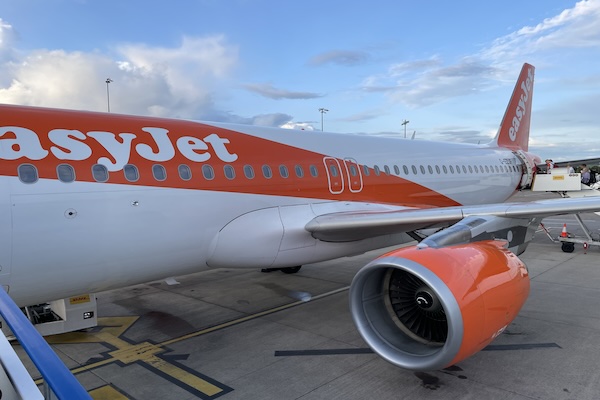

Disarray emerged as EasyJet cancelled 232 flights to Portugal, affecting many travellers. The airline took pre-emptive action to lessen disruption.
The strike, by cabin crew, coincided with peak travel, presenting challenges for passengers and the airline during this period.
Impact on Flights and Passengers
A significant development has emerged as EasyJet was compelled to cancel 232 flights to and from Portugal due to a three-day strike by its cabin crew. This industrial action, which unfolded at the peak of the summer travel period, has led to a substantial disruption. Approximately one-fifth of EasyJet’s scheduled flights to the region were affected, impacting numerous travellers.
The budget airline pre-emptively cancelled 27 return flights between the UK and Portugal to mitigate passenger inconvenience. The affected flights were operating from major UK airports including Bristol, Gatwick, and Manchester, among others. However, flights from Belfast International remained unaffected, sparing some passengers from the strike’s impact.
Reason Behind the Strike
The strike action, initiated by cabin staff in Portugal, stems from several grievances. The primary concerns, as highlighted by the civil aviation flight personnel union SNPVAC, include a lack of roster stability, inadequate staffing levels, and pressure to work overtime driven by commercial demands. This discontent has been brewing for some time, leading to the decision to strike from August 15 to August 17.
In a statement, EasyJet expressed its disappointment, labelling the strike as ‘unnecessary’. The airline’s response underscored its efforts to minimise disruption, emphasising that flight cancellations were a last resort aimed at allowing passengers to rearrange their travel plans effectively.
Customer Response and Airline Mitigation
EasyJet has adopted proactive measures to manage the situation. Customers affected by the cancellations received prior notification, enabling them to either reschedule their flights or opt for refunds.
In addition to this, the airline has advised travellers scheduled to fly to and from Portugal during the strike period to monitor the status of their flights through the EasyJet Flight Tracker. These efforts are designed to provide transparency and help passengers manage their travel plans amidst the disruptions.
The airline, which has significant operations in Portugal, including 19 aircraft and over 800 employees stationed there, highlighted its commitment to customer service during this challenging period.
Tourism in Portugal Amidst the Strike
Concurrently, Portugal is experiencing a surge in tourism, with the first half of the year marking a record influx of international visitors. According to official statistics, international arrivals increased by 7.5% from January to June, a positive trend for the country’s tourism industry.
The UK holds a prominent position in this growth, representing the largest share of foreign arrivals, surpassing even the US and Spain. Despite the strike and flight cancellations, the country’s appeal continues to draw significant tourist numbers.
The hospitality sector also reported gains, with hotel revenues climbing by 12.3% year-on-year, reflecting heightened tourist engagement.
Economic Implications
The economic repercussions of the strike are noteworthy, potentially influencing both the airline industry and Portugal’s tourism sector. Flight cancellations often entail financial losses not only for the airlines but also for related sectors such as hospitality and tourism.
Portugal’s National Statistics Institute revealed that the number of guests in hotels spiked in the first half of the year, contributing significantly to a €2.8 billion increase in total hotel revenues. This underscores the importance of maintaining operational continuity amidst industrial actions.
Moreover, as tourism flourishes, the pressure to resolve cabin crew disputes and establish stability becomes even more critical to sustain this economic momentum.
Official Responses and Future Outlook
Official data suggests that, despite the industrial disruption, the Portuguese tourism sector remains resilient. The capacity to navigate such challenges reflects positively on the industry’s adaptability to unforeseen events.
Several stakeholders within the industry are now advocating for more structured negotiations between cabin crew unions and airline management to avert future disruptions. The focus is on achieving sustainable solutions that address employee concerns while safeguarding operational efficiency.
The trajectory of Portugal’s tourism sector appears promising, but achieving long-term stability in labor relations will be crucial to maintaining this progress.
Conclusion
In summary, the strike by EasyJet’s cabin crew has led to notable disruptions but simultaneously highlights the robustness of Portugal’s tourism industry. Balancing labour relations while capitalising on tourism growth remains essential.
Amid disruptions, Portugal’s tourist appeal remains strong. Resolving labour disputes is key to sustaining this growth in the sector.

