


Portable power banks have become indispensable gadgets for keeping our devices charged on the go. These handy tools provide a convenient solution for powering up your smartphone, tablet, or any USB-compatible device without a wall outlet. Whether you’re traveling, hiking, or simply out for the day, a reliable power bank ensures you stay connected wherever you are. But with so many options available, how do you choose the right one for your needs? This beginner’s guide will walk you through understanding power banks, choosing the right capacity, identifying trusted brands, and maintaining them for long-lasting use.
Understanding Portable Power Banks
What Is a Portable Power Bank?
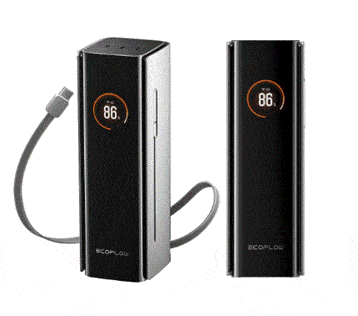
A portable power bank is a compact device that stores electrical energy for later use. It consists of a lithium-ion or lithium-polymer battery encased in a durable shell, complete with a charging circuit. Power banks are designed to be easy to carry, making them ideal for providing backup power on the go. Most models include one or more USB ports for connecting and charging devices such as smartphones, smartwatches, and tablets. Their versatility and convenience have made them a staple in modern gadget accessory lists, ensuring that users have access to power wherever and whenever needed.
Key Features to Know
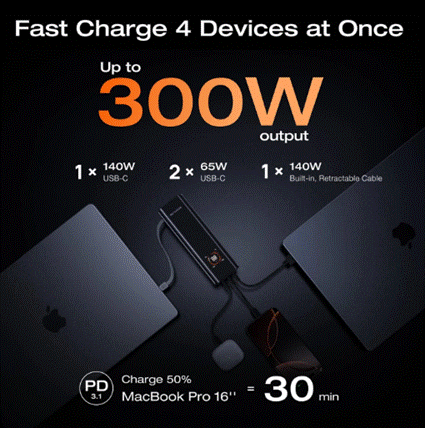
When exploring power banks, it’s crucial to understand some key specifications. First, consider the battery capacity, generally measured in milliampere-hours (mAh). The higher the mAh, the more charge the power bank can store. Then, look at the output charging speed, which indicates how quickly it can charge your devices. Multiples ports, fast charging features, and compatibility with a range of gadgets are also worth considering. Advanced models might include features such as wireless charging, LED indicators for battery level, and built-in cables, to reduce the need for additional accessories.
Choosing the Right Power Bank for Your Needs
Battery Capacity & Usage Scenarios
Battery capacity, measured in mAh, is a critical factor in selecting a power bank. If your daily activity requires charging multiple devices, consider a power bank with at least 10,000mAh. This capacity generally allows two to three full charges for a smartphone. Travelers or those using power-hungry gadgets like tablets should look for larger capacities, even up to 20,000mAh or more, to ensure sufficient backup power. Small power banks, around 5,000mAh, suffice for emergencies or occasional phone charging. Assess your usage needs and device compatibility to guide your decision on the right capacity for optimal performance.
Key Brands & Reliable Models
Several reputable brands offer reliable power banks, catering to various needs and preferences. A trusted name in the market is EcoFlow, recognized for its eco-friendly products and high capacity options. Their models deliver dependable performance with advanced charging technology and features like multiple ports and fast charging capabilities. When choosing, look for well-reviewed products from trusted brands to ensure you’re investing in a power bank that combines efficiency with longevity.
How to Use a Portable Power Bank Properly
Charging Your Devices Safely
To charge your devices safely with a power bank, start by connecting your device to the appropriate port using a compatible cable. Ensure the power bank is sufficiently charged before use. Pay attention to the output rating of the power bank, matching it with your device’s input requirements to prevent overloading or slow charging. It is advisable to use manufacturer-recommended cables and avoid exposing the power bank to extreme temperatures while charging. Disconnect your devices once they’re fully charged to preserve battery health and ensure the longevity of both your power bank and your devices.
Maintaining the Power Bank for Long-Term Use
Proper maintenance extends the life of your power bank. Begin by storing it in a cool, dry place when not in use, avoiding exposure to direct sunlight or excessive heat. Regularly charge the power bank; don’t let it sit unused for extended periods with a depleted battery, as this can affect its longevity. Clean the ports gently with a dry cloth to remove any dust or debris. Monitor its capacity retention and charging efficiency, replacing the power bank if you notice a significant decline, which is common after several years of use.
Conclusion
Understanding and choosing the right portable power bank enhances your on-the-go lifestyle, providing peace of mind knowing your devices are always powered. Consider your usage needs when selecting a model, focusing on capacity and brand reliability. Following proper usage protocols and maintenance tips ensures your power bank performs optimally over time. Equip yourself with this essential gadget and enjoy uninterrupted connectivity no matter where your adventures take you.

