
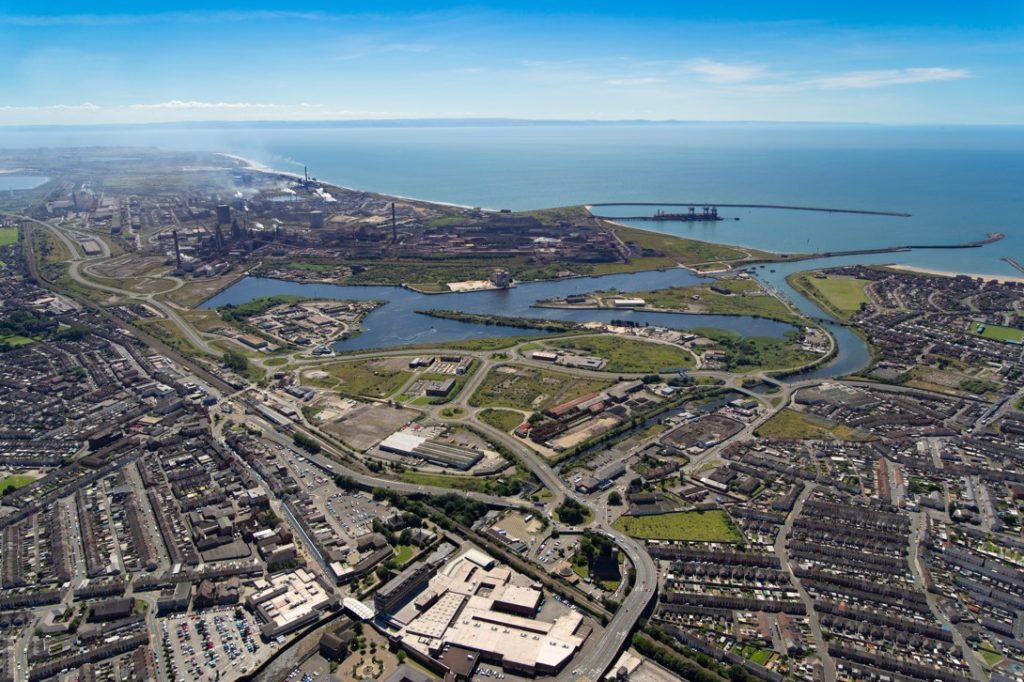

Port Talbot is set to undergo significant changes as it evolves into a central hub for green energy. The project, led by Associated British Ports, aims to harness the area’s natural advantages and legacy.
- Major surveying efforts will soon commence, covering both land and sea, to facilitate the transformation.
- The initiative represents a substantial financial commitment of £500M from Associated British Ports, highlighting the strategic importance of this development.
- In addition to offshore wind projects, the programme includes plans for sustainable aviation fuel production, onshore wind, and advanced carbon capture facilities.
- Upgrades to port and land infrastructure are crucial elements, ensuring the efficient handling of increased traffic and heavy components.
The Future Port Talbot programme, spearheaded by Associated British Ports (ABP), marks a pivotal move towards transforming Port Talbot into a green energy hub. ABP recently announced the imminent commencement of comprehensive surveying in the Port Talbot region, both on land and in surrounding waters. This initiative is part of a larger strategy aimed at revolutionising the port’s capabilities to support floating offshore wind and sustainable energy projects. This transformation underscores ABP’s commitment, with a staggering £500M investment into the site, emphasising its strategic importance in the shift towards renewable energy.
Port Talbot’s development will leverage its natural attributes, including favourable tidal conditions, a deep-water harbour, and available land, to serve as a primary site for the manufacture and integration of floating wind projects in the Celtic Sea. Additionally, a sustainable aviation fuel production facility has already gained planning permission, and future developments are set to include onshore wind turbines as well as advanced hydrogen and carbon capture facilities. This diverse range of projects highlights the multifaceted approach to sustainable energy integration.
To support the burgeoning activities associated with these developments, significant infrastructure upgrades are essential. The anticipated surge in traffic necessitates enhancements to local road networks, involving the construction of new access routes and improved junctions to accommodate heavy transport. The incorporation of smart traffic management technologies will ensure the seamless coordination of increased vehicular movement. Port capacity will be augmented with quay and berth improvements, including the construction of heavy lift quays and the upgrading of berths to manage large components. Furthermore, onshore storage and handling facilities will be pivotal in the efficient assembly and integration of wind turbine components.
Notably, the UK Government’s Floating Offshore Wind Manufacturing Investment Scheme (FLOWMIS) stands to unlock an extra £160M in funding, potentially acting as a catalyst for a wider £1bn investment in Port Talbot and its neighbouring regions. This projected investment is expected to inject approximately £5.5bn into the regional economy, creating an estimated 10,000 jobs across South Wales and the UK supply chain.
Port Talbot is also part of the Celtic Freeport initiative, a collaboration aimed at securing government support for tax and customs incentives, thereby strengthening its position in low-carbon industries like hydrogen and sustainable fuels. ABP plans to seek planning consent by summer 2025, with FLOWMIS-related works projected for 2025/2026 and comprehensive project construction commencing in 2027. This initiative aligns with The Crown Estate’s Leasing Round 5 process which advocates the establishment of a new floating wind sector in the Celtic Sea, contributing substantially to the UK’s renewable energy agenda.
Port Talbot is poised to become a key player in renewable energy, marking a major step towards sustainable development in the region.

