

In recent months, significant planning reforms have been introduced by the UK government, aiming to revise some long-standing greenbelt regulations.
- A new National Planning Policy Framework (NPPF) draft has been published for consultation, seeking to revive mandatory housebuilding targets.
- The reforms advocate for a ‘brownfield-first’ approach, but also propose developing ‘greybelt’ land to meet housing needs.
- Key challenges include the potential for limited major developments and the complexities of land valuation that aligns with policy requirements.
- Experts suggest these changes can particularly benefit smaller homebuilders, given the nature and scale of available sites.
In an effort to address housing shortages, the UK government has introduced major planning reforms in the form of a new draft of the National Planning Policy Framework (NPPF). This development comes after years of awaiting substantial government action in this domain. Originally, targets set for new homes were made optional, but the latest draft reinstates these as mandatory, particularly focusing on amending greenbelt land regulations.
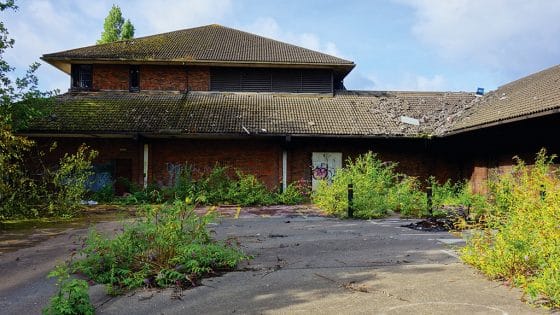
The revised framework suggests a strong inclination towards prioritising brownfield sites – previously developed lands – for new housing projects. However, acknowledging the insufficiency of this approach, the draft NPPF also includes provisions for ‘greybelt’ land development. Grey areas refer to parts of the greenbelt that have been developed before or have limited environmental contribution, thus offering new prospects for construction.
Barbara Beasley from Farrer & Co highlights the potential and limitations of these reforms. The proposed changes could open opportunities for legacy land developments by smaller enterprise developers, although they may not attract large-scale infrastructure projects. Despite potential limitations in site sizes, these areas could foster essential local infrastructure through strategic initiatives.
Allan Wilen from Glenigan perceives these reforms as significantly expanding the pool of available land for development, with a particular impact on previously developed greenbelt areas. Smaller sites are more likely to be released, creating avenues for SME builders to thrive. However, this also raises questions about sustainable pricing models that account for affordable housing and comprehensive policy compliance.
Paul Wakefield of Shakespeare Martineau adds that the initiative to re-purpose greybelt land offers widespread development potential, especially for smaller builders. Yet, assessing the viability of each site, considering risks and policies, remains a critical step. Wakefield emphasizes the importance of realistic land pricing that reflects the requirement for increased affordable housing provision.
The proposed planning reforms herald potential growth opportunities for SME homebuilders, although challenges in site viability and policy compliance remain substantial.

