

The foundational phase of the A38/HS2 infrastructure project near Lichfield has officially begun, marking a significant milestone in transportation development.
- Engineers embark on constructing a bridge at Rykneld Street, laying 88 piles to support the A38 over the new HS2 rail line.
- A 320-metre temporary road section facilitates construction, which will later revert to its original path post-completion.
- The Rykneld Street bridge, part of a trio of structures, ensures seamless integration of the HS2 line with existing roadways.
- Collaborations between Balfour Beatty Vinci and SB3 herald advancements in large-scale engineering within live traffic zones.
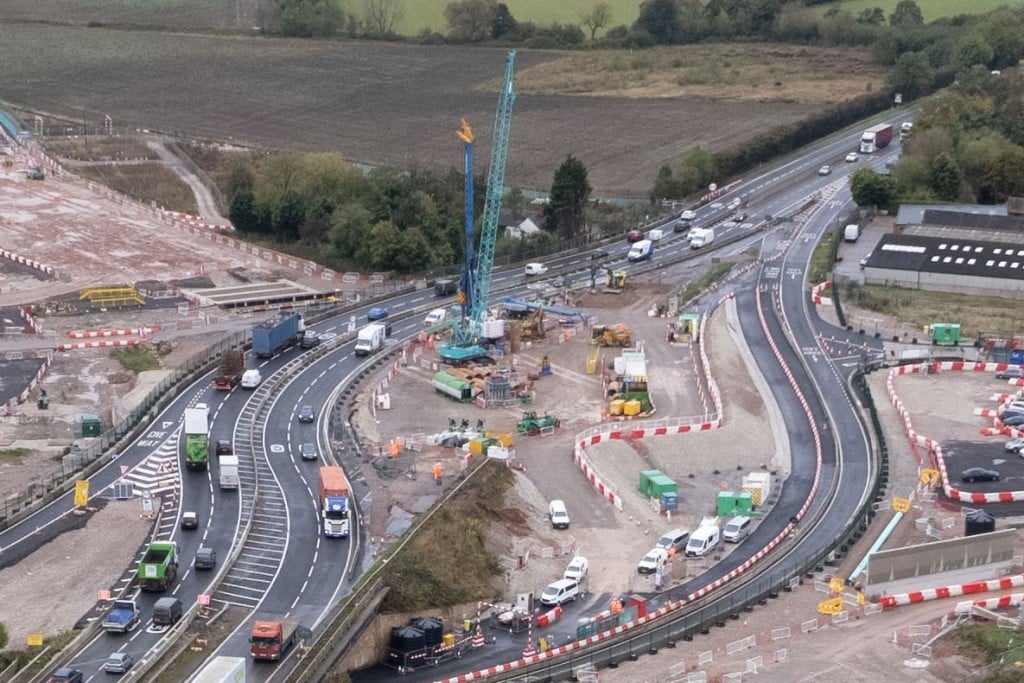
Engineers have commenced the intricate task of establishing the foundations for a new bridge at Rykneld Street, situated directly below the A38 carriageway in Streethay, Staffordshire. This foundational work involves the meticulous installation of 88 piles, each penetrating depths ranging between 20 to 27 metres, designed to support the considerable weight of the impending structure. Such a detailed approach underscores the complexity and precision required in modern engineering ventures, particularly those interfacing with existing transport routes.
To facilitate these foundational works, a temporary stretch of the A38, extending 320 metres, has been constructed. This measure ensures the seamless flow of vehicular traffic during the bridge construction phase, with plans to realign this section back to its original position upon the completion of the piling and installation of the bridge deck in late 2025. The foresight in planning demonstrates a commitment to minimising disruption while advancing significant infrastructure works.
The new Rykneld Street bridge represents the final component in a series of three vital retaining structures within a 455-metre-long cutting. Alongside its counterparts, the A38 Southbound Slip Overbridge and the Streethay Overbridge, this bridge is imperative for the successful realignment of the A38, allowing the HS2 rail line to pass seamlessly below the A38, its slip lanes, and the South Staffordshire freight railway. The collective structures embody both architectural ingenuity and functional necessity, ensuring the continuity of diverse transport modes.
Approximately 750,000 cubic metres of earth will be displaced during the project, with plans to repurpose the excavated material to construct embankments along the HS2 route, an exemplar of sustainable engineering principles at work. This vast scale of earthworks underscores the profound impact and versatility of modern civil engineering.
Balfour Beatty Vinci, alongside SB3—a joint venture comprising Vinci subsidiary Bachy Soletanche and Balfour Beatty Ground Engineering—leads this ambitious project, with design input from Mott MacDonald and Systra. With the endorsement of HS2 Ltd senior project manager David Perry, the collaborative nature of this project illustrates the multifaceted cooperation required to navigate the unique challenges of building in such a dynamic environment, highlighting both the obstacles and achievements possible in contemporary engineering.
This collaborative approach to bridge construction sets a precedent in engineering against the backdrop of active roadways, making strides in infrastructural integration.

