

PepsiCo has revised its annual sales growth expectations as consumers increasingly opt for cost-effective alternatives amidst financial pressures.
- The multinational company had initially predicted a 4% rise in organic sales, adjusting these expectations in light of changing consumer behaviour.
- In the latest quarter ending 7 September, PepsiCo reported a slight decline in net sales, falling short of prior estimates.
- Consumer spending habits, affected by inflation and higher borrowing costs, have impacted purchases, particularly in the North American market.
- Despite sales challenges, PepsiCo’s profits have remained stable, bolstered by strategic price increases and operational efficiencies.
PepsiCo has made a strategic adjustment to its annual sales growth forecast, responding to a noticeable shift in consumer purchasing trends. Originally anticipating a 4% growth in organic sales, the company has recalibrated its expectations to a low single-digit increase, reflecting current market realities. This adjustment underscores the financial challenges consumers face, leading them to favour own-brand products over traditional options.
The most recent financial reports, covering the quarter ending on 7 September, illustrate a 0.6% decrease in net sales, equating to $23.32 billion (£17.82 billion). This figure notably falls short of analysts’ projections of $23.76 billion (£18.16 billion). Such a decline highlights the broader impact of shifting consumer preferences and the economic pressures influencing these trends.
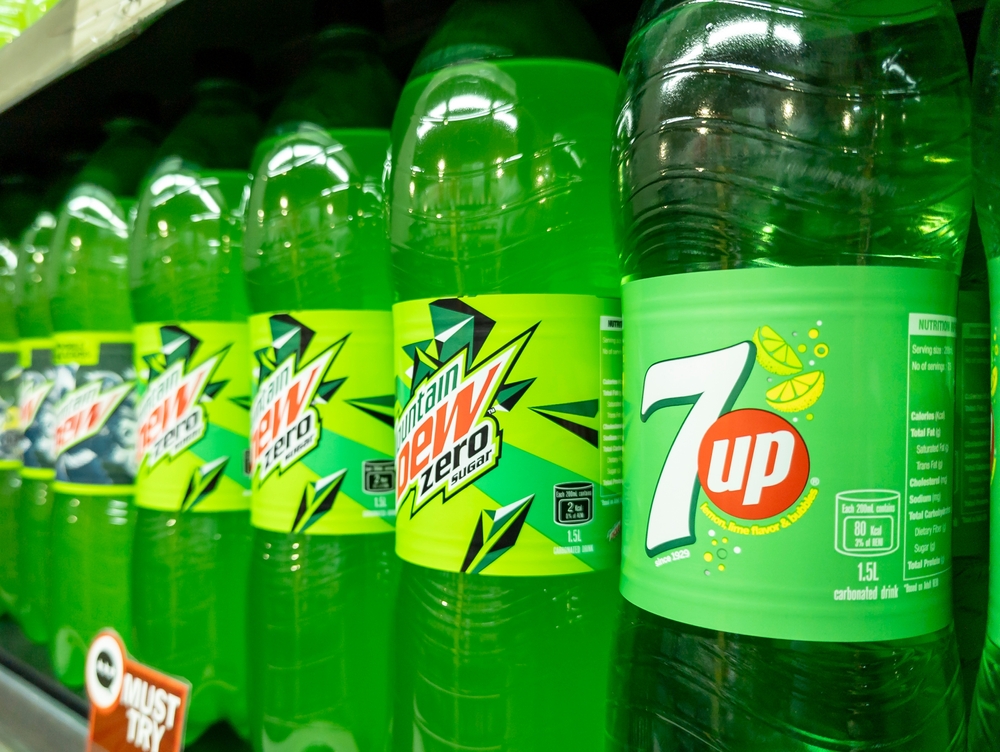
PepsiCo’s CEO, Ramon Laguarta, has attributed these sales challenges to the cumulative inflationary pressures and increased borrowing costs that have constrained consumer budgets. He noted that these economic factors have markedly altered spending patterns, particularly within North America, where PepsiCo’s key beverage brands, such as 7up and Mountain Dew, experienced a downturn in performance.
Internationally, the shift in consumer behaviour is not isolated to North America alone, as markets in Latin America, China, and Europe have similarly reported a decrease in volumes. These regions, while facing unique economic conditions, have also seen a movement towards more affordable product alternatives.
Despite the apparent difficulties in maintaining sales momentum, PepsiCo’s profit margins have remained robust. This stability is attributed to a combination of price increments, effective cost controls, and measures designed to enhance business efficiencies. Notably, the company maintains its full-year adjusted profit forecast, signalling confidence in its strategic initiatives to navigate these challenges.
PepsiCo remains resilient in maintaining profitability despite changing market conditions and consumer behaviour.

